
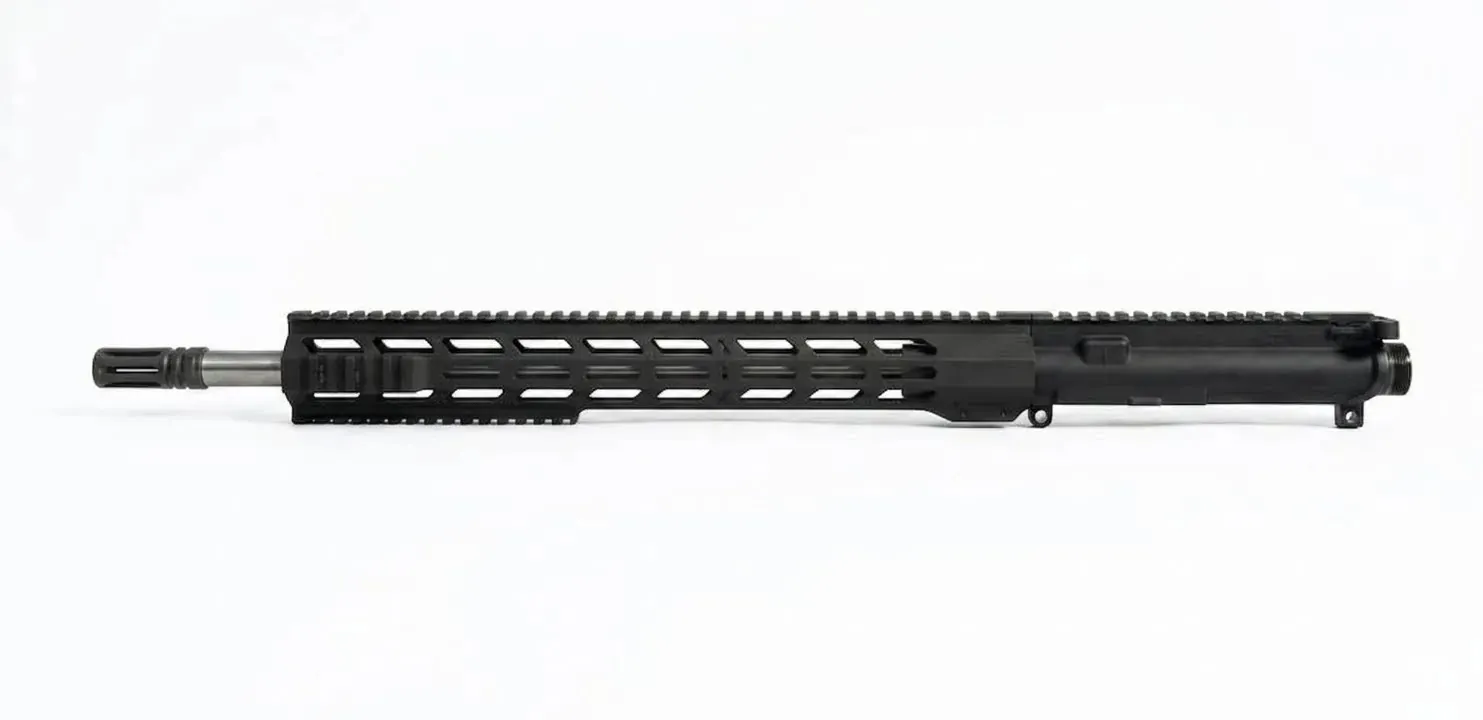
Carbine and mid-length gas systems are often discussed as if one label settles the quality of an AR-platform rifle. It does not. The system is one part of how a rifle cycles, alongside the barrel, cartridge, gas-port design, buffer system, ammunition, and the way the complete rifle is assembled. The useful question is not, "Which one wins?" It is, "Which complete configuration fits the rifle I actually intend to own and shoot?"
The short answer
On an AR-platform rifle, the gas system uses gas from the fired cartridge to operate the action. A carbine-length system takes that gas closer to the receiver than a mid-length system. A mid-length system moves that location farther forward. Both are established formats, and both can be appropriate when the barrel, chambering, operating parts, and intended use are designed to work together.
For many buyers comparing 16-inch rifles, the distinction becomes part of a larger decision about handling, ammunition, stock fit, sights or optics, and whether the rifle is intended for broad practice, a competition discipline, or a specific hunting setup. It should not be treated as a shortcut for reliability or accuracy. A well-matched system earns confidence because the whole rifle works together, not because a single specification sounds more desirable online.
What the gas system does
When an AR-platform rifle fires, a small amount of gas is routed from the barrel through the gas block and tube to help cycle the action. The location of that gas port is what people mean when they describe a system as pistol, carbine, mid-length, or rifle length. The label tells you something about the layout. It does not, by itself, tell you the size of the gas port, the buffer setup, the ammunition plan, or how the rifle will feel in the hands.
That distinction matters because online comparisons often turn a complete operating system into one simplistic rule. A carbine-length system is not automatically harsh, and a mid-length system is not automatically smooth. Different cartridges, barrel lengths, port designs, buffer weights, springs, muzzle devices, and ammunition loads can all change the result. For a buyer, the responsible move is to assess the finished configuration from a reputable manufacturer or work with a qualified builder who understands the intended use.
The Ballistic Advantage overview of AR gas-system lengths makes the same larger point: system length is connected to barrel length and application. It is useful context for comparing rifle listings, but it is not a do-it-yourself tuning chart.
Carbine vs. mid-length at a glance
| System | What the name describes | Where it appears | What a buyer should compare |
|---|---|---|---|
| Carbine length | Gas is taken from the barrel at a shorter distance from the receiver than a mid-length system. | Common on compact AR-platform configurations and across several chamberings. | Barrel length, cartridge, manufacturer setup, stock and buffer system, intended use, and the complete specification. |
| Mid-length | Gas is taken farther forward than on a carbine-length system. | Common on many 16-inch AR-platform rifles, including practical and competition-oriented configurations. | How the entire rifle is built around the shooter’s normal ammunition, distances, handling needs, and shooting discipline. |
| Rifle length | Gas is taken farther forward again, as part of a longer system format. | Often seen on longer-barrel rifle configurations built around a more specialized role. | The specific barrel and cartridge combination, weight and balance, sights or optic, and whether the rifle’s role actually calls for a longer format. |
This table is intentionally broad. It is not a parts-selection recipe, because that would hide the variables that matter. A buyer should not use a gas-system label to justify modifying an existing rifle. If a rifle has a cycling issue, a change in function, or an unknown build history, the manufacturer or a qualified gunsmith is the right next call.
Why 16-inch rifles create this comparison
The carbine-versus-mid-length question appears most often around 16-inch AR-platform rifles because both systems can be found in that general format. That makes the comparison relevant, but it does not make it the first decision. A 16-inch rifle still needs a clear job. A practical range rifle, a 3-Gun rifle, and a hunting upper may share a barrel length while being assembled around very different priorities.
Start with the way the rifle will be used. A buyer who values a compact, field-ready configuration may prioritize weight, cartridge selection, optic choice, and how the rifle balances with a sling and loaded magazine. A competitor may care more about repeatable control across a course of fire, the sighting plan, and the current rules of the event. Neither buyer is served by choosing a system only because it was described as better in a comment thread.
DRD’s AR-15 barrel-length guide is useful alongside this comparison because gas-system length does not replace the barrel-length question. The two specs have to make sense together, along with the chamber, twist rate, stock, trigger, handguard, and intended ammunition.
When a carbine-length system can make sense
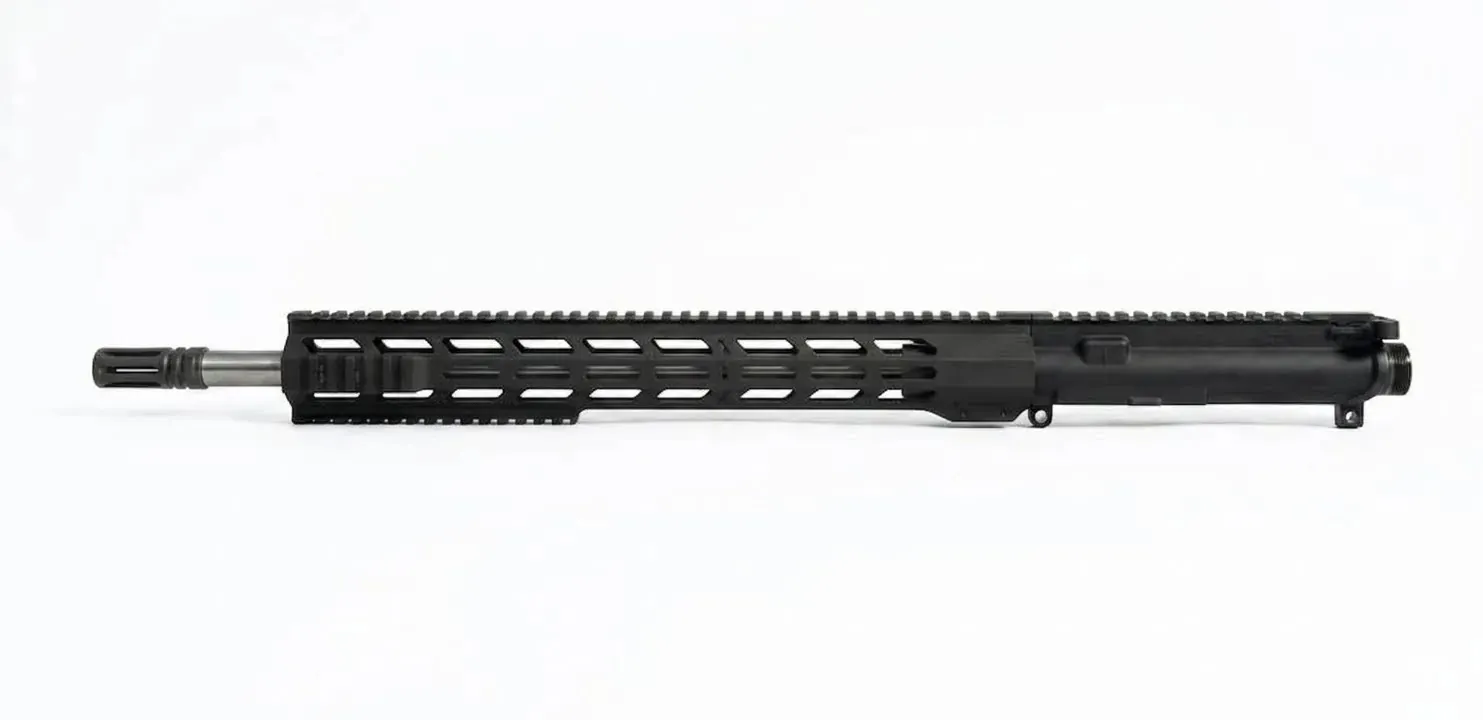
A carbine-length system remains a common choice in compact AR-platform configurations. It can appear on 16-inch rifles and uppers, including setups built around cartridges other than .223 Remington or 5.56 NATO. That is exactly why it is a mistake to judge the system in isolation. A configuration designed for one cartridge may have different operating needs than a superficially similar rifle in another chambering.
The DRD 350 Legend Upper is an example of a 16-inch upper with a carbine-length system. Its specifications also include the cartridge, barrel material, contour, gas-block diameter, and handguard. Those details are not filler. They are the rest of the context that a gas-system label cannot provide on its own.
For a shopper, the practical question is whether the rifle is a complete, proven configuration that fits the intended use. A package that was designed and tested as a system is a safer bet than a loose collection of popular parts. Before ordering, compare the actual listing, ask the seller or builder about the stated purpose, and do not assume a component change will improve a rifle that already runs correctly.
Where mid-length fits the picture
A mid-length system is common on many 16-inch AR-platform rifles. It is often associated with practical and competition-oriented configurations because it gives builders another way to balance the barrel and operating system around a 16-inch format. That association is useful, but it should not become a universal ranking. A mid-length system still has to be paired with the correct barrel, cartridge, gas-port design, buffer system, and ammunition.
DRD’s DRD-15 3-Gun Rifle uses a 16-inch .223 Wylde barrel with a mid-length gas system. The relevant lesson is not that every shooter needs that exact system. It is that DRD selected the system inside a complete competition package that also includes a medium-contour barrel, M-LOK handguard, adjustable stock, captured spring, and two-stage trigger. The performance story comes from the package, not one line in the specification list.
That is especially important for 3-Gun or other action-oriented competition. A rifle that feels predictable through a stage must also fit the shooter, use a suitable optic, work with the expected ammunition, and remain within the current rules of the format being shot. Check the event organizer’s current materials before ordering around a competition setup, rather than relying on a copied setup from an old forum post.
Why rifle length belongs in the comparison
Rifle-length systems are not the direct opponent in a carbine-versus-mid-length search, but they help explain why there is no universal answer. On longer-barrel configurations, a rifle-length system can make sense as part of the overall format. The barrel, cartridge, gas-system layout, handguard, stock, and sighting plan all have more room to serve a role that may be quite different from a compact 16-inch setup.
DRD’s 6.5 Grendel Complete Hunting Rifle uses a 20-inch barrel and rifle-length gas system. That does not make it a better answer for a buyer looking for a compact 16-inch rifle. It shows why a specification only becomes meaningful inside a real configuration. The 20-inch barrel, 6.5 Grendel chambering, longer handguard, adjustable stock, and field-focused purpose make a different set of tradeoffs sensible.
Comparing that rifle directly to a shorter carbine or mid-length setup would miss the point. One is not a modification of the other. They are different complete systems for different shooting plans. The buyer’s job is to decide which job comes first, then evaluate the rifle that was built for it.
What gas-system length does not tell you
Gas-system length cannot guarantee reliability. Reliability depends on the complete operating system, including component quality, proper assembly, maintenance, ammunition, magazines, and the way the barrel and port are designed. A rifle with a respected gas-system label can still have problems if another part of the system is wrong. Conversely, a rifle that does not match the internet's current favorite setup can work extremely well when it was properly designed for its purpose.
It also cannot guarantee a certain recoil impulse or a particular level of smoothness. People often use those words to describe what they felt in one rifle with one ammunition load. That experience may be useful, but it cannot be separated cleanly from the buffer system, stock, muzzle device, barrel profile, shooting position, and the shooter's own expectations. The sound comparison is not a substitute for evaluating a complete build.
Most importantly, gas-system length does not make a rifle more accurate by itself. Accuracy comes from the barrel, chamber, ammunition, optic or sights, trigger control, support, and the shooter behind the rifle. DRD’s guide to AR-15 twist rates covers the same broader principle: individual specifications matter, but they have to be selected as a system.
A better way to compare two listings
When you have a carbine-length and mid-length rifle open side by side, compare them in an order that keeps the important information visible:
- Start with the role: Is this meant for broad range use, a competition format, a field rifle, or another clearly defined job?
- Check the complete barrel specification: Compare chambering, barrel length, profile, twist rate, and the system named in the listing.
- Look at the operating package: Note the stated gas system, stock, buffer or spring information when supplied, and whether the manufacturer presents the rifle as a complete configuration.
- Match the rifle to your normal ammunition and distance: The rifle should suit what you will realistically shoot, not a hypothetical load or one unusual range trip.
- Consider fit and sighting: Stock fit, handguard length, trigger, optic, and total balance influence whether the rifle will be comfortable and repeatable in use.
- Get expert help before changing operating parts: A manufacturer or qualified gunsmith should diagnose function issues and advise on any modification.
This sequence gives the buyer a more useful result than choosing by a single phrase. A carbine-length rifle can be a sound choice when it is built around the right cartridge and role. A mid-length rifle can be a sound choice when its complete configuration serves the shooter’s needs. The best option is the one whose details agree with each other and with the job ahead.
How DRD helps narrow the choice
DRD’s catalog shows why a gas-system label needs context. The 350 Legend Upper uses a carbine-length system in a compact hunting-oriented upper. The DRD-15 3-Gun Rifle uses a mid-length system in a practical competition package. The 6.5 Grendel Complete Hunting Rifle pairs a 20-inch barrel with a rifle-length system. Those are not competing labels. They are examples of configurations shaped around different purposes.
For a custom AR-15, the most useful information to bring to DRD is straightforward: the cartridge you want to use, normal range or field distances, the way you want the rifle to handle, your sighting plan, and whether a specific competition rulebook applies. That gives the builder a real job to solve instead of a single specification to chase. The custom-build contact page is the right place to start that conversation.

Bottom line
Carbine and mid-length are established AR-platform gas-system formats, not a one-word answer to rifle quality. On a 16-inch configuration, either can be appropriate when the barrel, cartridge, operating parts, and intended use were designed to work together. Rifle-length systems make the same point on longer configurations: system length only becomes useful when the rest of the rifle supports the same role.
Choose the rifle by the shooting you actually plan to do. Compare the complete barrel and operating specifications, the sighting and stock setup, the cartridge, and the maker’s stated purpose. If an existing rifle needs a function diagnosis or a change to operating parts, stop and consult the manufacturer or a qualified gunsmith. A well-matched complete configuration is more valuable than a popular label on a spec sheet.
Frequently asked questions
Is mid-length better than carbine length?
Neither is automatically better. A mid-length system is common on many 16-inch AR-platform rifles, while carbine-length systems remain common in compact configurations and across several chamberings. The right choice depends on the barrel, cartridge, intended use, and whether the complete rifle is designed to work together.
Can a 16-inch AR-15 use a carbine-length gas system?
Yes. A 16-inch AR-platform rifle can use a carbine-length gas system, and many do. The important question is whether the barrel, gas port, gas block, buffer system, ammunition, and intended role have been selected as a compatible whole by the manufacturer or a qualified builder.
What does gas-system length change on an AR-15?
Gas-system length changes where gas is taken from the barrel to cycle the action. That can affect the timing and feel of the complete rifle, but it does not predict reliability, recoil, or accuracy on its own. Barrel length, cartridge, port sizing, buffer system, ammunition, maintenance, and assembly quality all matter.
Does a mid-length gas system make an AR-15 more accurate?
No. Gas-system length is not an accuracy guarantee. Mechanical accuracy and practical results depend on the barrel, ammunition, optic or sights, trigger control, support, and the condition of the rifle. Gas-system choice should be evaluated as part of the configuration, not as a standalone upgrade.
Should I change the gas system on an existing rifle?
Do not treat a gas-system change as a casual swap. It involves parts that affect how the firearm cycles and should be evaluated by the manufacturer or a qualified gunsmith. Start by identifying the actual problem, verifying the rifle is unloaded, and getting professional guidance before altering a working configuration.
Related posts
.223 Wylde vs. 5.56 NATO: Can You Shoot Both?
Can you shoot 5.56 NATO in a .223 Wylde barrel? Yes. See how .223 Wylde, 5.56 NATO, and .223 Remington chamber markings differ before you buy.
Read the guide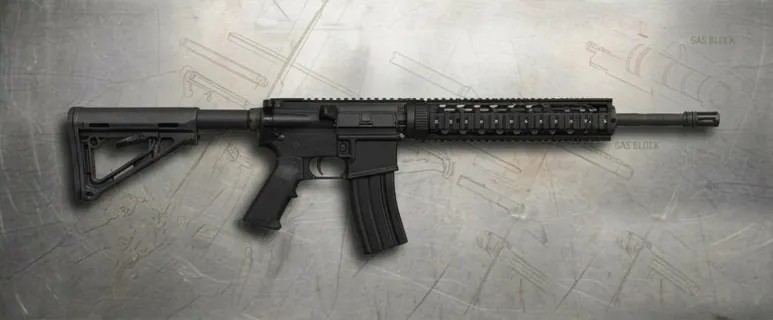
AR-15 Barrel Length: 16 vs. 18 vs. 20 Inches
Compare 16-, 18-, and 20-inch AR-15 barrels for handling, velocity, and competition use before choosing a rifle.
Read the guide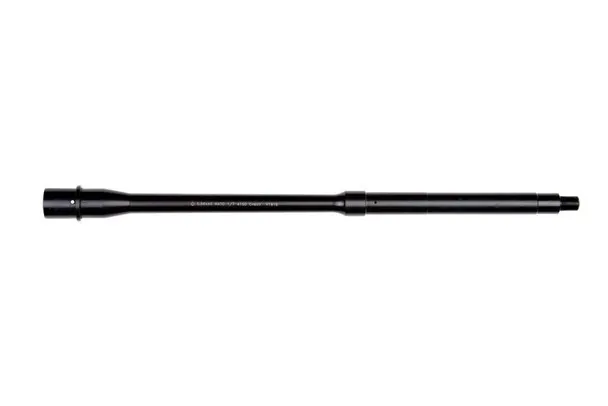
AR-15 Twist Rate Chart: 1:7 vs. 1:8 vs. 1:9
AR-15 1:7, 1:8, and 1:9 twist-rate chart: see what each rate means and how ammunition, bullet length, and rifle use shape the choice.
Read the guide
AR-15 Buffer Weight Chart: Standard, H, H2, and H3
AR-15 buffer weight chart: standard 3.0 oz., H 3.8 oz., H2 4.7 oz., and H3 5.4 oz. Understand the labels before changing parts.
Read the guide
AR-15 Trigger Pull Weight: What It Means
AR-15 trigger pull weight guide: compare single-stage and two-stage feel, what pull-weight numbers mean, and when rifle role and safety checks matter.
Read the guide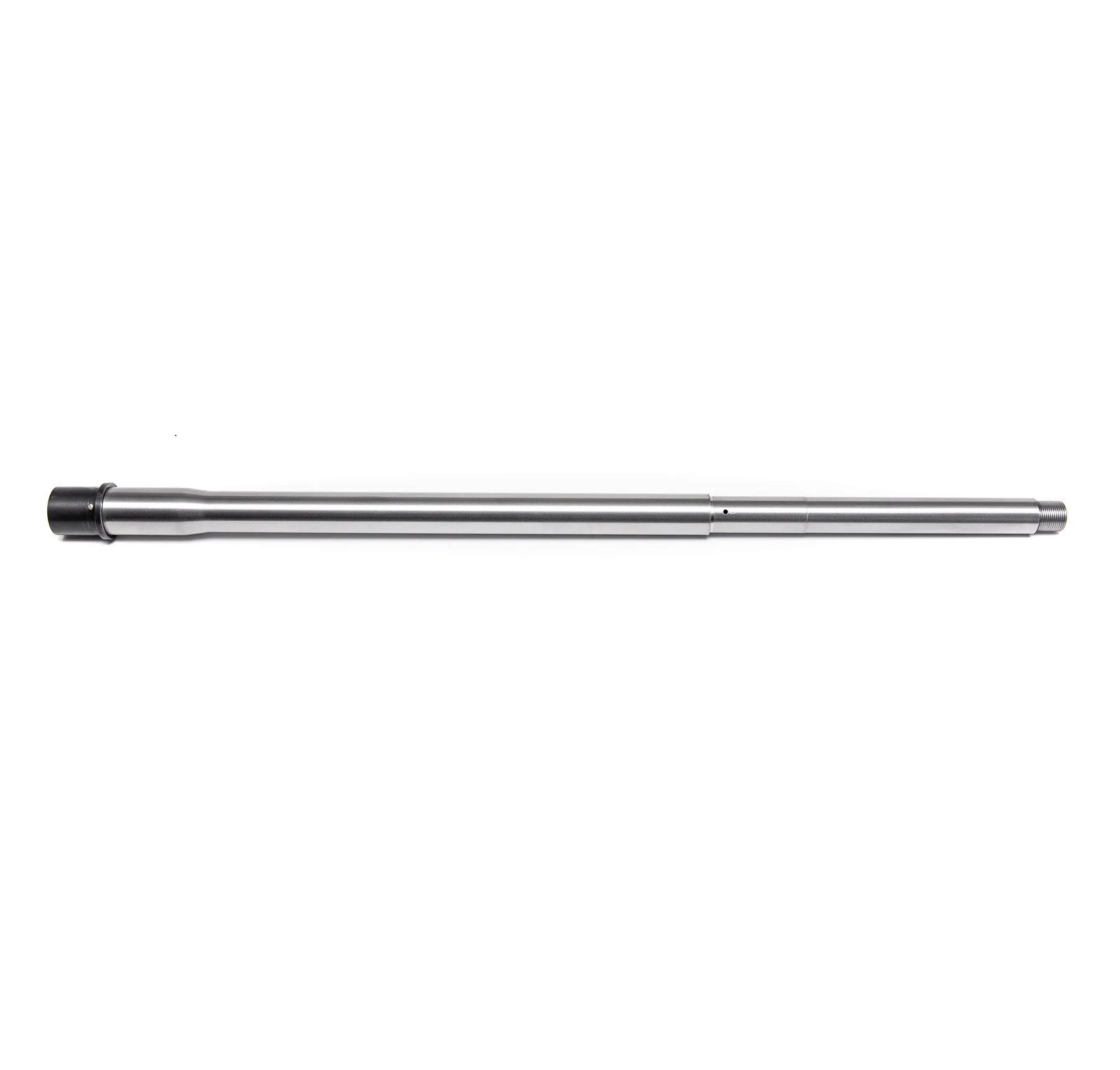
AR-15 Barrel Profile: Lightweight, Government, and HBAR
Compare lightweight, government, and HBAR AR-15 barrel profiles around balance, heat, intended use, and the complete rifle.
Read the guide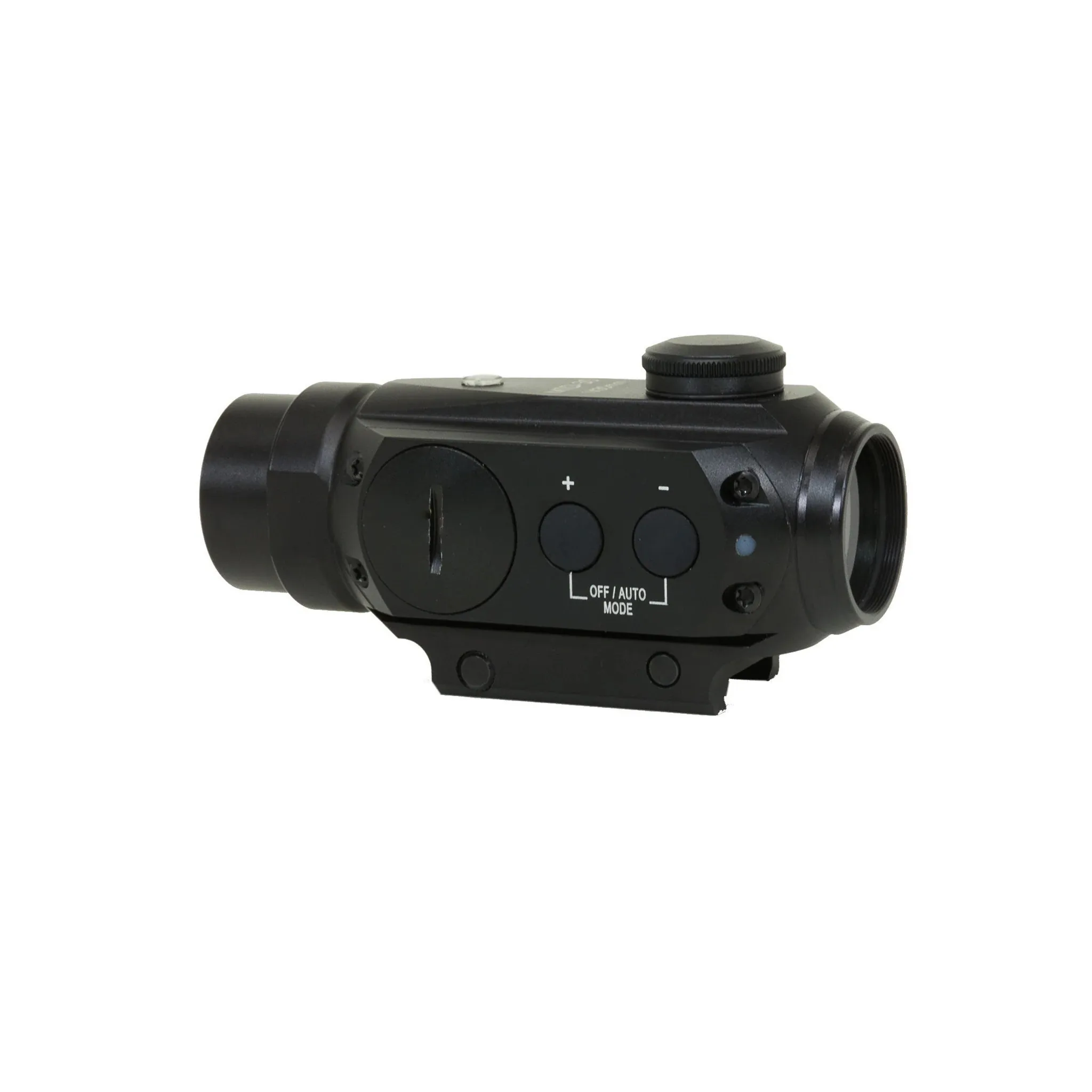
Best Scope for an AR-15: A Practical Buying Guide
Compare red dots, low-power variable scopes, and service-rifle optics around distance, shooting role, and the complete AR-15 setup.
Read the guide
Best Sling for an AR-15: Two-Point vs. Single-Point
Compare two-point and single-point AR-15 slings around rifle role, comfort, retention, attachment points, and safe transport.
Read the guide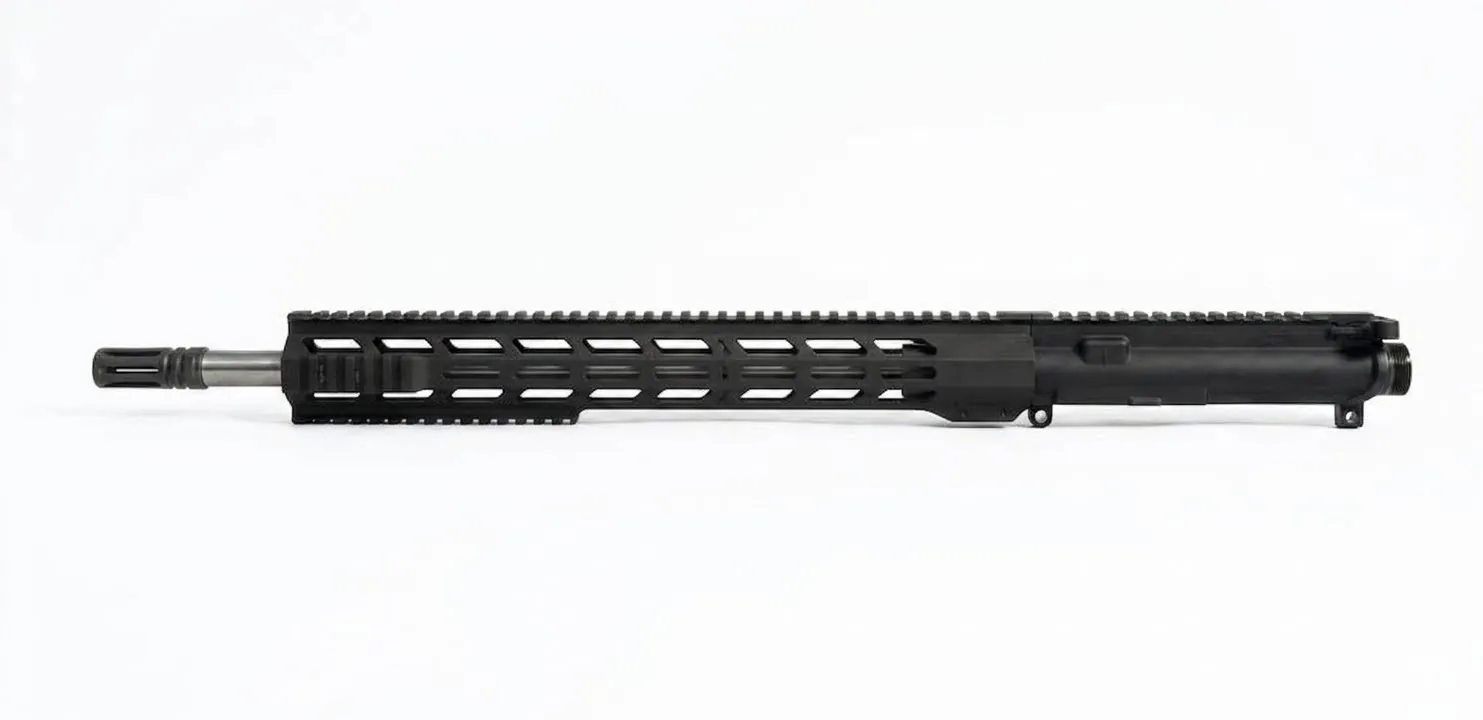
Best AR-15 Upper: How to Choose a Complete Upper
A practical guide to choosing a complete AR-15 upper around cartridge, barrel, gas system, handguard, and the rifle you plan to finish.
Read the guideFinding Your Shot
Mental management is just as important as the application of fundamentals. Learn how dry-fire practice, natural point of aim, and patience help reveal your authentic shot.
Read the guide