
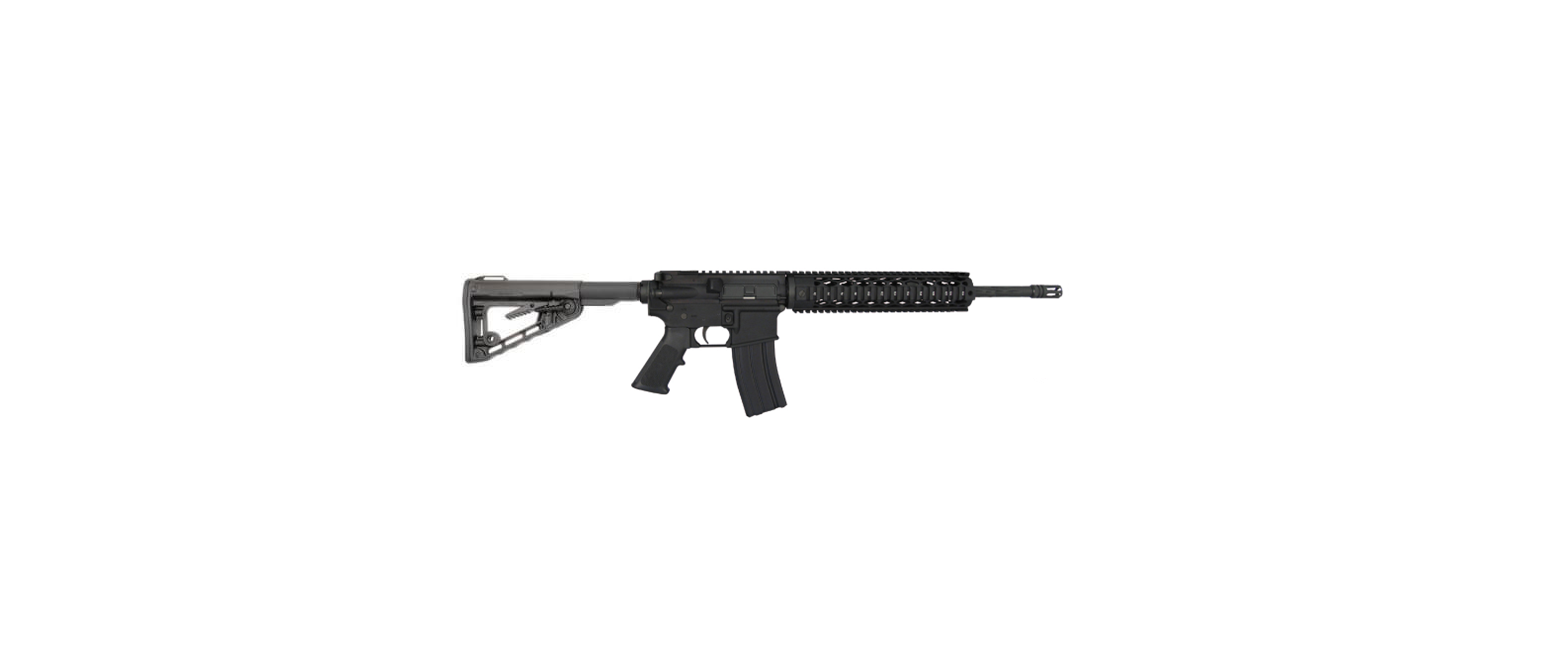
A barrel-length conversation is easy to oversimplify. One person says 16 inches is the practical answer. Another will not give up 20 inches. A third splits the difference at 18. All three may be making sensible choices, but only if they are solving for the same job. Barrel length changes how an AR-platform rifle carries, balances, sights, and launches a given load. It does not hand you a universal answer, and it does not make a rifle precise by itself.
The short answer
For many shooters, a 16-inch barrel is a sensible all-around format because it keeps the rifle compact and versatile. An 18-inch barrel is an in-between option that may suit a shooter who wants a little more length while preserving a less-than-full-size feel. A 20-inch barrel remains a natural fit for traditional service-rifle and high-power configurations, especially when a shooter values the full-size balance and sighting arrangement that come with that format.
The better question is not “Which length wins?” It is “What will this rifle actually do?” A shooter who spends most of the year working from a bench at known distances may value a different configuration than someone who needs a lighter, shorter rifle for broad range use. A competitor should begin with the current match program. A buyer who wants a custom rifle should begin with the intended discipline, preferred ammunition, optic or iron-sight plan, and handling priorities.
16 vs. 18 vs. 20 inches at a glance
| Barrel length | Best starting point | What to weigh |
|---|---|---|
| 16 inches | Broad-use rifles where compact handling and a practical overall package matter. | Shorter overall length and a familiar all-around format. Confirm the barrel profile, optic, stock, and intended ammunition suit the complete rifle. |
| 18 inches | A specific middle-ground preference for shooters who want more length without moving to a full-size format. | It should solve a real handling, sighting, or match-use preference. It is not automatically more accurate than a 16-inch rifle. |
| 20 inches | Full-size service-rifle, high-power, and other deliberate competition-oriented configurations. | Expect a longer package and different balance. Check the current match program, sighting plan, and complete rifle setup before ordering. |
What barrel length changes, and what it does not
Barrel length is a real design choice because it changes the physical package in front of the receiver. More length usually means more material, a longer rifle, and a different balance point. It can also change the muzzle velocity a particular load produces. That added velocity can make the bullet’s path easier to manage at longer distances, but it is only one part of the result. Ammunition choice, atmospheric conditions, sight settings, and the shooter’s ability still matter.
What length does not do is certify accuracy. The SAAMI firearms and ammunition FAQ makes this distinction clearly: within the rifle-barrel lengths it discusses, barrel length by itself does not determine accuracy. A well-made barrel, a consistent load, a sound optic or sighting system, a stable position, and repeatable trigger control are the larger pieces of the accuracy conversation.
This is why two rifles with the same length can feel completely different. Barrel profile, chamber, twist rate, handguard, gas system, stock, trigger, optic, and build quality all shape the finished rifle. Barrel length should be selected as part of that package. Treating it as a one-number shortcut usually leads to a rifle that is close to the intended use, but not quite right for it.
Start with the shooting you will actually do
Before comparing inches, write down the job in plain language. Is this a general-purpose range rifle? Is it headed toward a specific high-power or service-rifle match? Will it live with an optic, fixed sights, or both? Will the shooter spend more time moving and carrying it, or more time building a steady position for deliberate strings of fire? Those answers make the barrel-length decision smaller and more useful.
A buyer often gets better results by naming the tradeoff they are willing to accept. Someone may be happy with a longer, steadier rifle if it is primarily for competition. Someone else may happily give up some length because they value a more compact package. Neither is a compromise born from ignorance. The mistake is expecting one rifle format to be equally ideal for every use without deciding what comes first.
- General range use: prioritize a balanced complete rifle that is comfortable to handle and easy to configure around your normal distances.
- Competition: verify the current event rules, then choose the sighting system, barrel format, stock, trigger, and weight distribution as one setup.
- Precision-focused practice: look beyond length to barrel quality, ammunition consistency, optic choice, and how the rifle supports a repeatable position.
- A custom order: give the builder the full use case rather than asking for a length in isolation.
Why 16 inches is such a common starting point
A 16-inch barrel sits in a practical middle ground. It keeps an AR-platform rifle shorter and easier to manage than a full-size 20-inch configuration while remaining a familiar rifle format. That makes it a reasonable place to start when the buyer has a broad use case and does not yet have a specialized match or precision requirement that points elsewhere.
The advantage is not that 16 inches is magically better. It is that the format usually leaves fewer surprises for a buyer who wants an adaptable rifle. A shorter front end can feel quicker to bring into position, can be easier to transport, and gives the owner room to choose a stock, handguard, and optic that suit the rest of the package. The real test is whether the rifle’s total weight and balance still feel right once those choices are made.
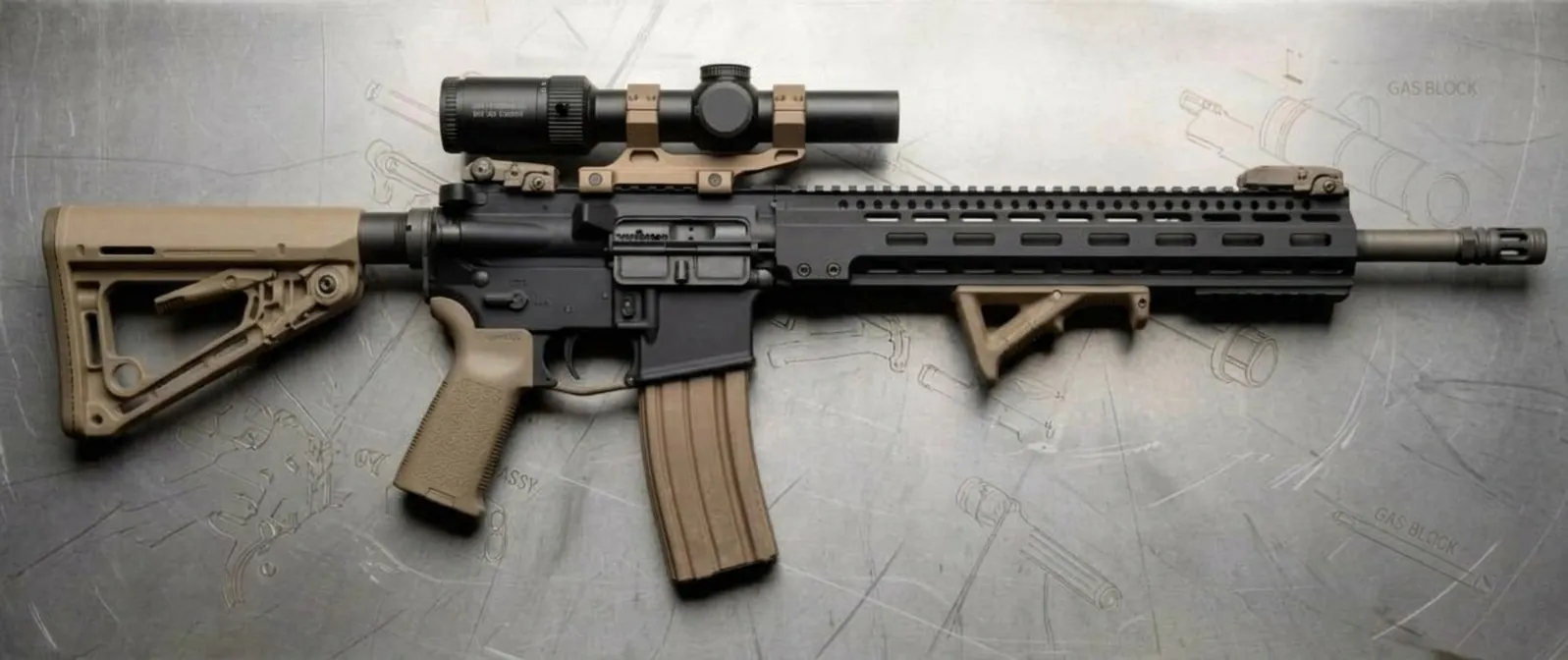
DRD’s DRD-15 Garrison shows how a 16-inch configuration can become a complete, practical setup. Its barrel length is one meaningful element, but the important point is the package around it: a 12-inch handguard, a conventional stock, and a 1-8x24 optic selected for close-to-medium-range work. The value is not merely “16 inches.” It is a rifle with a coherent purpose.
Where an 18-inch barrel fits
An 18-inch barrel is often discussed as a middle path between the compact feel of a 16-inch rifle and the full-size format of a 20-inch rifle. For a shooter who values an intermediate length, it can be a sensible option. The important part is not treating it as a mandatory upgrade from 16 inches or a lighter version of 20 inches. It is its own choice with its own balance and configuration questions.
Because 18 inches occupies the middle, it is easy to give it borrowed promises from both sides. It may offer a different balance than a 16-inch rifle, but it does not automatically make a rifle more accurate. It may keep more barrel length than a 16-inch package, but it does not replicate every characteristic of a 20-inch service-rifle format. The buyer still needs to account for the actual barrel profile, the sighting system, the rifle’s weight, and the discipline.
For an established competitor, that decision may be precise: a preferred match format, a particular optic arrangement, or a desired balance during a course of fire. For someone selecting a first serious rifle, an 18-inch configuration should earn its place by answering a specific need. “It seems like the best of both worlds” is not enough on its own. The right answer should be visible in how and where the rifle will be shot.
There is another useful lesson here: do not build a rifle around internet shorthand. A barrel length can be part of a proven format without being a universal prescription. The shooter who knows the match, distance, sighting plan, and desired handling can make an informed intermediate choice. The shooter who does not yet know those things is often better served by a more straightforward package and time behind it.
Why 20 inches remains important for competition rifles
A 20-inch barrel remains closely associated with full-size AR-platform rifle configurations, including many National Match and service-rifle examples. It provides a longer overall front end and a balance that many deliberate, position-based shooters appreciate. When paired with traditional sights, a longer barrel can also accompany a longer sight radius. That can make sight alignment more forgiving to the shooter, even though it does not change the mechanical accuracy of the barrel itself.
For high-power or service-rifle competition, the right place to begin is the rulebook for the specific event. The CMP rulebook library and NRA competition rulebooks are better sources than an old match report or a forum thread. Rules and event programs determine what equipment is permitted, what format is sensible, and which details are worth paying attention to before an order is placed.
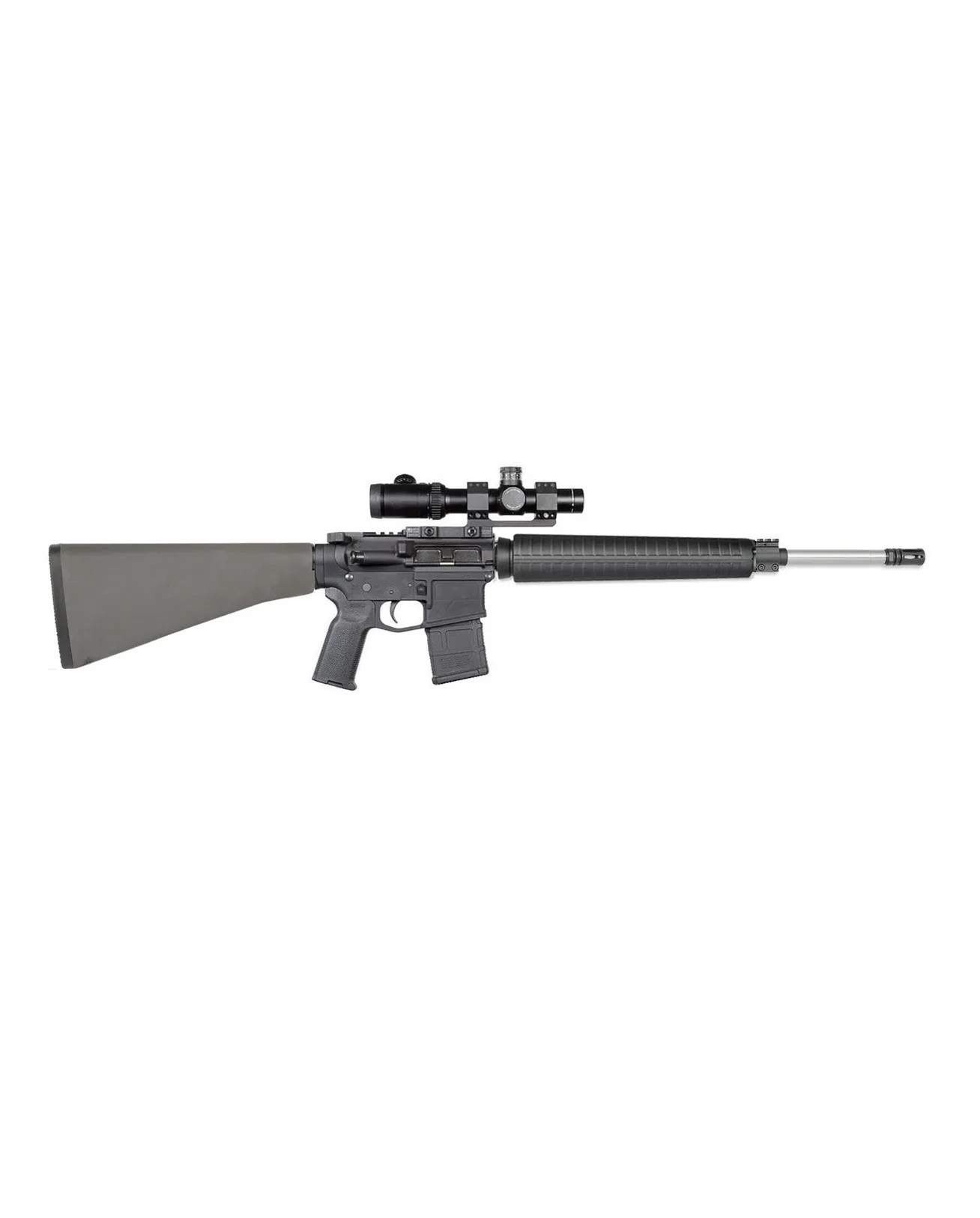
DRD’s National Match Competition AR-15 Service Rifle Mod 1C uses a 20-inch match-grade barrel in a competition-oriented package. That does not mean every shooter needs a 20-inch rifle. It means the configuration reflects a clear use case: a purpose-built rifle where the barrel, handguard, stock, and trigger were selected together for a discipline that rewards consistency and repeatability.
Velocity, trajectory, and the temptation to chase numbers
With the same cartridge and load, a longer barrel can give the bullet more time to accelerate before it leaves the muzzle. That is why barrel length appears in so many trajectory conversations. More starting velocity can affect the elevation adjustment required at distance, but it is not a substitute for confirming the performance of the actual ammunition in the actual rifle.
The useful lesson is practical: do not borrow a velocity number from someone else’s barrel and treat it as a guarantee. Ammunition lots vary. Chambers and barrels vary. Environmental conditions vary. A chart may help a buyer understand the direction of the tradeoff, but only real verification with the chosen rifle and load tells the shooter what the system is doing.
This is also why “longer shoots flatter” should be handled with care. A length change can influence the starting point, but a shooter still needs sound sight settings, a stable zero, and the ability to read the conditions. For paper, steel, or a match course, the benefit of a well-understood setup is much larger than the benefit of repeating a rule of thumb. Choose the length that supports the job, then spend time learning that rifle.
Accuracy is a system result
When a buyer says they want the most accurate AR-15, it is worth asking what they mean. Are they chasing smaller groups from a bench? More repeatable points in a competition string? A rifle that remains stable as it heats? A more forgiving sight picture from a supported position? Those are related goals, but they point to different decisions.
Length is only one physical variable. A quality barrel can shoot well at more than one length. A rigid and well-fitted upper, suitable ammunition, a clean trigger break, an optic that fits the target and distance, and a shooter who can use the setup all matter. The .223 Wylde-versus-5.56 conversation carries the same lesson: the chamber designation is one part of the system, not a replacement for judging the whole rifle.
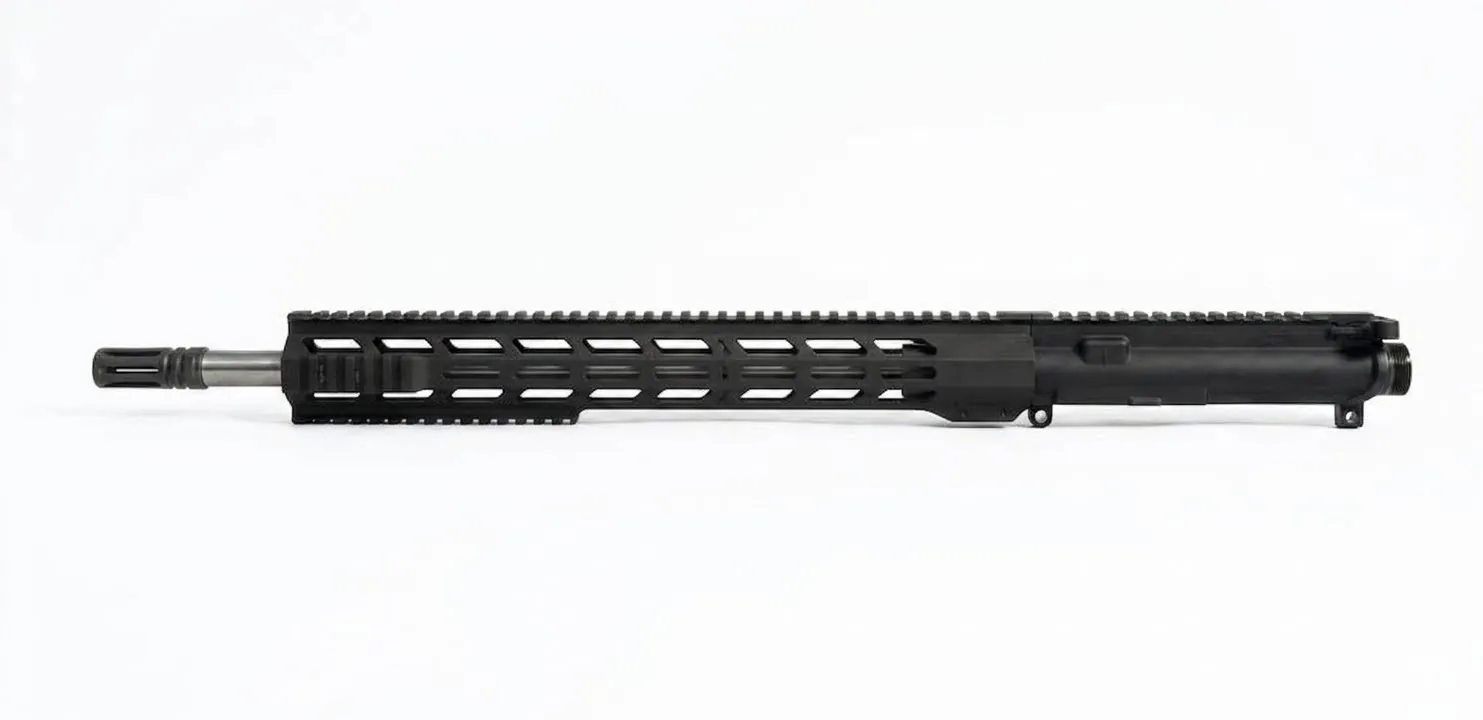
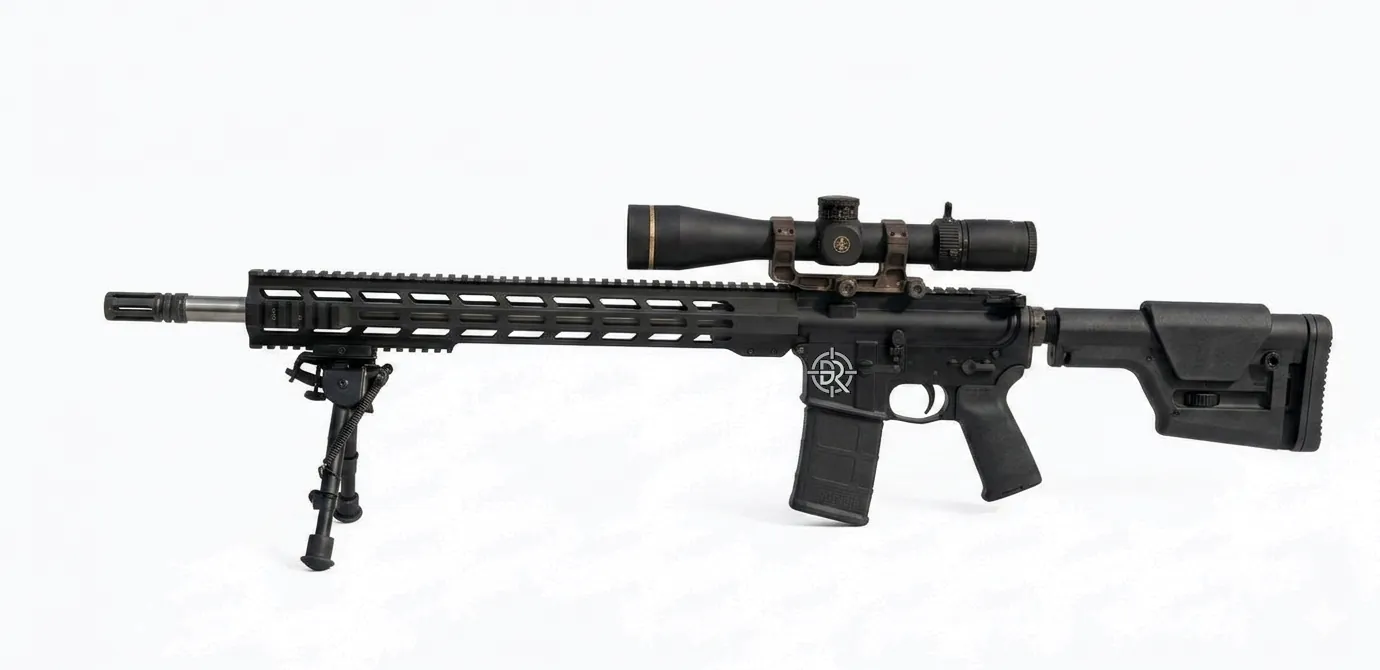
DRD’s AR-Tactical Upper uses a 22-inch .223 Wylde configuration aimed at high-power competition. It illustrates how a rifle becomes specialized through more than barrel length: the upper, barrel, handguard, chamber, and intended discipline all work together. A buyer who does not need that specialized format should not buy it simply because the number on the spec sheet is larger.
How weight and balance change the decision
Two rifles with the same barrel length can carry very differently. A barrel’s profile changes where the weight sits. A long, light-profile barrel may feel different from a shorter, heavier-profile barrel. A handguard, optic, bipod, stock, and loaded magazine move the balance further. That is why length should not be evaluated from a product listing alone when the buyer has an opportunity to handle a comparable configuration.
For a shooter who spends time in supported positions, a little more forward weight may feel settled and repeatable. For a shooter who wants the rifle to feel lively and less tiring to hold, the same weight may be unwelcome. There is no right answer without context. The best test is to think about the positions and strings of fire that are normal for you, not the rare scenario that sounds most impressive online.
Competition makes this especially clear. The rifle may need to settle into standing, sitting, kneeling, or prone positions differently depending on the event. A rifle that feels excellent from a bench is not necessarily the rifle that feels right through a full course of fire. That is why an experienced builder’s questions about discipline, sighting system, and desired feel are not sales talk. They prevent a buyer from selecting a configuration that is technically capable but poorly matched to the work.
Let the sighting system influence the choice
Barrel length and sights are connected because the rifle is used as a complete sighting system, not as a bare barrel. With traditional iron sights, a longer barrel can be paired with a longer distance between the front and rear sight. That gives the shooter a different visual relationship with the sights. It can be an important consideration for a traditional service-rifle format, but it still does not replace practice or make a mechanically average rifle shoot like a match rifle.
With an optic, the question changes. A red dot, low-power variable optic, or higher-magnification scope should match the work the rifle is expected to do. A buyer who wants a compact, broad-use 16-inch rifle may prefer a sighting system that supports quick, uncomplicated range sessions. A competitor building toward deliberate known-distance work may value a different optic or traditional sighting arrangement. The barrel length should support that choice, not fight it.
It is also worth thinking about the total package once glass is mounted. An optic, mount, rear sight, sling, and loaded magazine can change the balance more than a buyer expects from the product photo. Before making a decision, compare the complete specifications and be honest about the normal shooting distance. A rifle selected for 100-yard practice does not need the same sighting plan as one intended for a rule-bound high-power season.
Common buying mistakes to avoid
Choosing length before choosing the job
It is tempting to start with a number because numbers look objective. But “16, 18, or 20?” is a poor first question when the buyer has not decided what the rifle must do. Start with the shooting plan, then compare lengths inside configurations built for that plan. This reverses the usual internet debate and makes the answer much clearer.
Assuming longer always means more accurate
A longer barrel can change velocity and the feel of the rifle, but it is not a promise of smaller groups. The quality of the barrel, the ammunition, the condition of the rifle, the support used, and the shooter’s inputs are far more important. A buyer who understands this is less likely to spend money on a longer barrel while ignoring a poor sighting setup or an inconsistent ammunition plan.
Ignoring the match rulebook until after purchase
A competition rifle should be selected around the actual event, not a generic label such as “match-ready.” Before ordering, read the current rulebook and program, then confirm any uncertainty with the event organizer. A small equipment mismatch can be frustrating if it only becomes apparent after a rifle has been selected around the wrong assumptions.
Copying another shooter’s setup without their context
A configuration that works beautifully for one shooter may be solving a different problem. Their match, preferred position, physical build, ammunition, optic, and time behind the rifle may not match yours. Use other setups as examples, not instructions. The right rifle is the one that fits your purpose and lets you practice consistently.
A simple way to compare listings
When you have two or three rifles open in separate tabs, compare them in this order:
- Purpose: What does each rifle say it is built to do, and does that match the shooting you expect to do?
- Barrel format: Compare length, profile, chamber, twist, and the role those details play in the complete configuration.
- Sighting plan: Decide whether the rifle will use iron sights, a red dot, a variable-power optic, or another arrangement that fits the intended distance and discipline.
- Handling: Consider total length, expected weight, stock, handguard, and where the rifle will spend most of its time.
- Rules and transfer requirements: For a match or a regulated purchase, confirm the current requirements directly with the organizer and the appropriate authorities before ordering.
This comparison method makes it harder to get distracted by a single impressive specification. A 20-inch barrel is not inherently a better choice than a 16-inch barrel. A 16-inch rifle is not automatically a compromise. Each becomes the better choice when the rest of the rifle and the intended use line up.
How DRD helps narrow the choice
DRD’s catalog includes practical 16-inch rifles as well as competition-oriented 20-inch and 22-inch configurations. That range makes the company useful to buyers who are deciding between broad-use handling and more specialized competition formats. Rather than beginning with a barrel length alone, start with the job, then use the competition rifle selection, tactical rifle selection, and the individual product specifications to see how each format is assembled.
When the use case is more specific than a catalog filter can capture, DRD can help shape a custom build around the actual shooting plan. The right starting details are simple: intended discipline, normal distances, ammunition plan, sighting preference, desired handling, and whether current match rules apply. The custom-build contact page is the right place to begin that conversation before committing to a rifle that solves someone else’s problem.
Bottom line
A 16-inch AR-15 barrel is a strong all-around starting point when a shooter values a compact, versatile rifle. An 18-inch barrel can suit a more specific intermediate preference. A 20-inch barrel remains a credible choice for full-size and competition-oriented configurations. The correct length is the one that supports the complete rifle, the actual course of fire, and the way the shooter intends to use it.
Do not chase a number because it is popular. Decide what the rifle must do, verify any competition rules, look at the complete specification, and choose the package that makes the most sense for that work. A rifle configured around a real use case is easier to enjoy, easier to learn, and less likely to need an expensive second round of changes later.
Frequently asked questions
Is a 16-inch AR-15 barrel accurate enough?
A 16-inch barrel can be part of a very accurate rifle. Barrel quality, ammunition, optic or sights, trigger control, and the complete setup matter more than length alone. A shorter barrel may begin with less velocity than a longer one, but that is a trajectory consideration, not an automatic verdict on group size.
Is an 18-inch AR-15 barrel better than a 16-inch barrel?
Neither length is automatically better. An 18-inch configuration can appeal to a shooter who wants some additional barrel length without moving to a full 20-inch format. The useful comparison is the intended discipline, the complete rifle's balance, the ammunition you plan to use, and whether the difference will matter in your normal shooting.
Why do National Match AR-15 rifles often use 20-inch barrels?
A 20-inch barrel is a familiar choice for service-rifle and high-power configurations because it supports a full-size rifle format and a sighting setup commonly associated with those disciplines. The current match program and rulebook should always guide a competition purchase.
Does a longer barrel make an AR-15 more accurate?
Not by itself. The Sporting Arms and Ammunition Manufacturers' Institute notes that, within the rifle-barrel range it discusses, barrel length does not determine accuracy. A longer barrel can change velocity, balance, and the sighting experience, while barrel quality and the rest of the rifle still determine far more about practical precision.
What should I tell a builder before choosing barrel length?
Describe the shooting you actually plan to do, the matches you intend to enter, the ammunition you expect to use, preferred sighting system, handling priorities, and any transport or storage constraints. That gives a builder the context to recommend a complete rifle rather than guessing from one measurement.
Related posts
.223 Wylde vs. 5.56 NATO: Can You Shoot Both?
Can you shoot 5.56 NATO in a .223 Wylde barrel? Yes. See how .223 Wylde, 5.56 NATO, and .223 Remington chamber markings differ before you buy.
Read the guide