
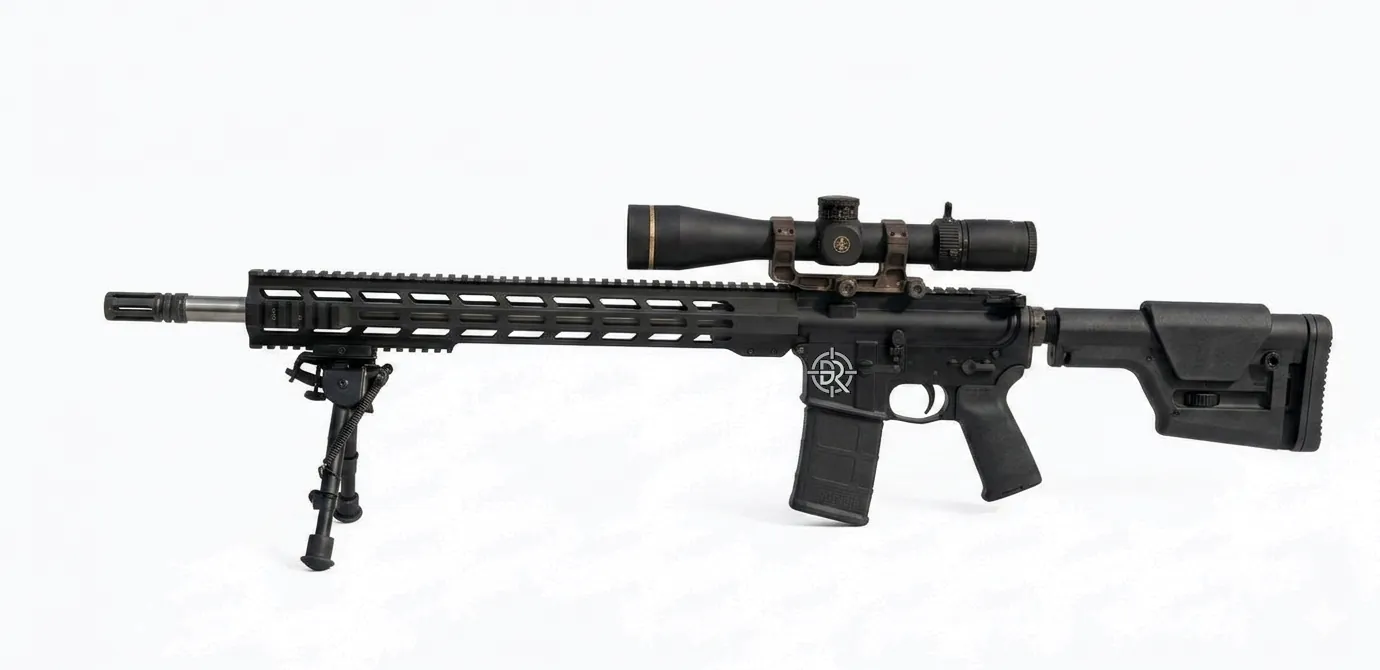
The labels look close enough to invite a quick answer. They are not the same thing. “.223 Wylde” and “5.56 NATO” describe chamber approaches used in AR-platform barrels, while “.223 Remington” and “5.56 NATO” also appear on ammunition. That overlap is where many buyers get tripped up. The useful question is not which label sounds more precise. It is which rifle configuration fits the ammunition, match plan, and shooting you actually intend to do.
The short answer
In general, a barrel marked .223 Wylde is intended to use both .223 Remington and 5.56 NATO ammunition. Always confirm the barrel marking and follow the barrel maker’s guidance before firing, especially when a rifle is used, modified, or its marking is unclear.
A 5.56 NATO chamber is a familiar, practical choice for an AR intended to use 5.56 NATO ammunition as well as .223 Remington ammunition. A .223 Wylde chamber is commonly chosen by shooters who want that same broad ammunition flexibility in a chamber design associated with precision-oriented AR builds. Neither label tells the whole story about how a rifle will shoot. It does not replace barrel quality, good ammunition, a stable optic setup, or disciplined marksmanship.
There is one boundary that should stay simple: a barrel marked .223 Remington is not automatically the same as a .223 Wylde or 5.56 NATO barrel. The SAAMI ammunition and firearm FAQ warns that firing 5.56 NATO ammunition in a barrel marked .223 Remington may create unsafe pressure conditions because of chamber differences. Read the marking on the barrel itself, follow the manufacturer’s guidance, and pause when the marking is unknown or ambiguous.
Why the names create so much confusion
Part of the confusion comes from mixing two related but separate decisions: the cartridge marked on a box of ammunition and the chamber cut into the barrel. The cartridge is the loaded round. The chamber is the part of the barrel designed to accept it. Two rounds can look very similar at a glance while the chamber details still matter for pressure and safe use.
That is why a useful buying conversation starts with the complete barrel marking, not just “it is an AR.” A buyer who plans to use a broad mix of factory ammunition has a different decision to make than a competitor who is narrowing a match rifle around a repeatable ammunition setup. The chamber is one part of that decision, not a label to chase in isolation.
What a 5.56 NATO chamber is built around
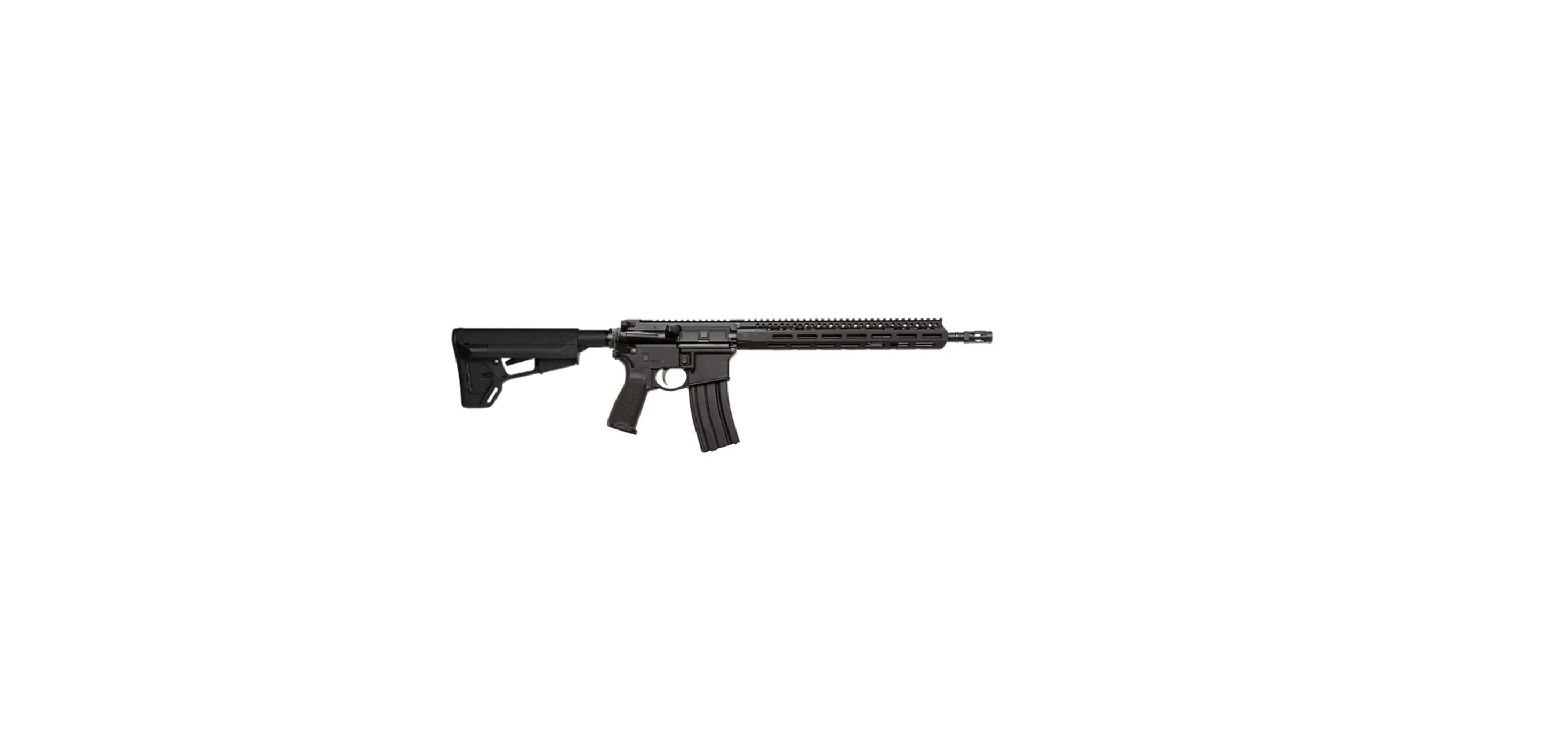
A 5.56 NATO chamber is generally the practical answer for a rifle intended to operate with 5.56 NATO ammunition while also accommodating .223 Remington ammunition. For a buyer, the value is straightforward: the rifle is set up around a widely available ammunition standard and does not demand a competition-specific use case to make sense.
That does not make every 5.56 NATO rifle identical. Barrel profile, barrel length, twist rate, gas-system choice, optic, trigger, stock fit, and assembly quality all affect how the complete rifle feels and performs. A good chamber choice cannot make up for a rifle that is poorly matched to the task. The same is true in reverse: a well-built 5.56 NATO rifle can be a very capable platform when the rest of the configuration supports the shooter’s needs.
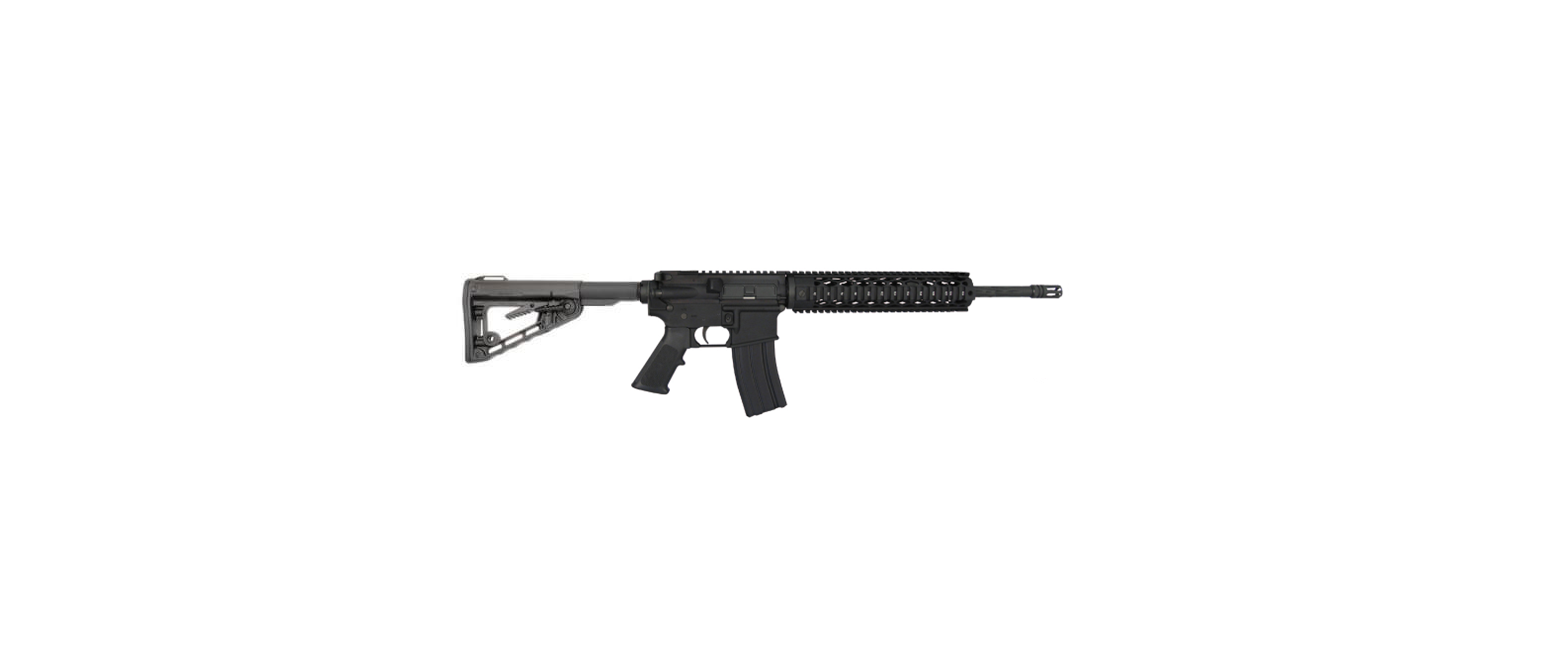
DRD’s DRD-15 Prepper Rifle is an example of a rifle built around a 5.56 NATO barrel. The right way to evaluate a setup like that is to look beyond the chamber marking: consider the intended role, the 16-inch barrel format, the handguard, stock, and whether the whole package suits the shooter’s preferred ammunition and use case.
What a .223 Wylde chamber is trying to balance
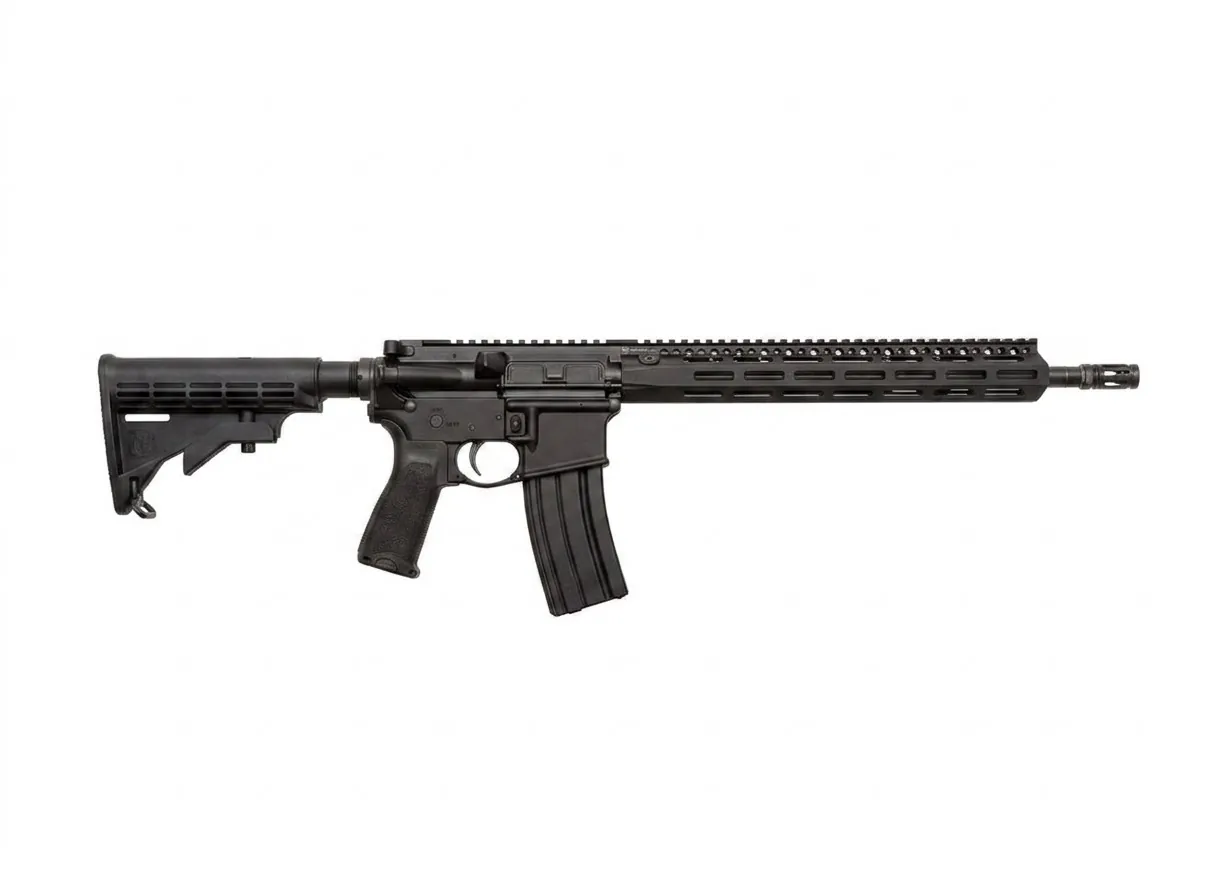
The .223 Wylde chamber was developed as a design intended to work with .223 Remington and 5.56 NATO ammunition while supporting the kind of precision expectations common in match-oriented AR builds. That purpose explains why the name comes up often around service rifle, high power, and other accuracy-focused conversations.
Still, “.223 Wylde” should not be read as a promise of accuracy. A barrel with a .223 Wylde chamber can be a strong choice in the right build, but a chamber stamp cannot tell you whether the barrel is well made, whether the ammunition is suitable, or whether the shooter and rifle are set up consistently. Precision is a system result. The chamber is only one part of the system.
For a buyer considering a competition rifle, this is where the surrounding configuration becomes more important. A match-ready rifle needs to suit the discipline, use a barrel and sighting system appropriate to that discipline, and be configured within the current rules. The CMP rulebook library and the NRA competition rulebooks are the right places to confirm current requirements before treating any individual feature as match-ready.
Choosing between them starts with the job
The best chamber for an AR is the one that supports the real job of the rifle. That sounds obvious, but it prevents most bad comparisons. A practical rifle for general range use, a service-rifle build, a three-gun configuration, and a dedicated high-power rifle may share AR-platform DNA while asking for different tradeoffs.
- For a broad-use rifle: Start with the ammunition you expect to use most often, the barrel maker’s marking, and a complete rifle configuration that fits your intended use.
- For competition: Confirm the current rules first, then select the barrel, sights or optic, stock, trigger, and chamber as one coordinated setup.
- For a custom build: Tell the builder what distance, discipline, ammunition, and handling priorities matter. That produces a better recommendation than starting from a single chamber label.
- For an existing rifle: Read the barrel marking and manufacturer documentation before making assumptions about compatibility. When in doubt, get a qualified professional to verify it.
The phrase “more accurate” is also worth handling carefully. Some shooters are looking for the smallest possible groups; others are looking for repeatable hits in a structured course of fire; others need a reliable general-purpose rifle. Those are different definitions of success. The chamber choice should support the goal rather than become the goal.
Three common mistakes to avoid
1. Treating .223 Wylde as another ammunition type
.223 Wylde is a chamber designation, not a separate factory ammunition category that needs to be stocked like .223 Remington or 5.56 NATO. The practical task is to confirm what the barrel is marked for and follow that maker’s guidance.
2. Assuming every .223-marked barrel is interchangeable with 5.56 NATO
This is the important safety distinction. A barrel marked .223 Remington should be treated according to that marking. The SAAMI interchangeability guidance explains why military-standard ammunition can have different pressure characteristics. When a barrel is not clearly marked, no internet comparison should substitute for confirmation from the manufacturer or a qualified gunsmith.
3. Buying the chamber and forgetting the rest of the rifle
A rifle is more than a chamber. A competition-focused configuration may need a particular barrel length and profile, a sighting plan that fits the rules, a stock that fits the shooter, and a trigger that supports repeatable control. A broad-use rifle may place more value on handling, durability, and ammunition flexibility. The right choice comes from the total package.
A better way to compare two rifle listings
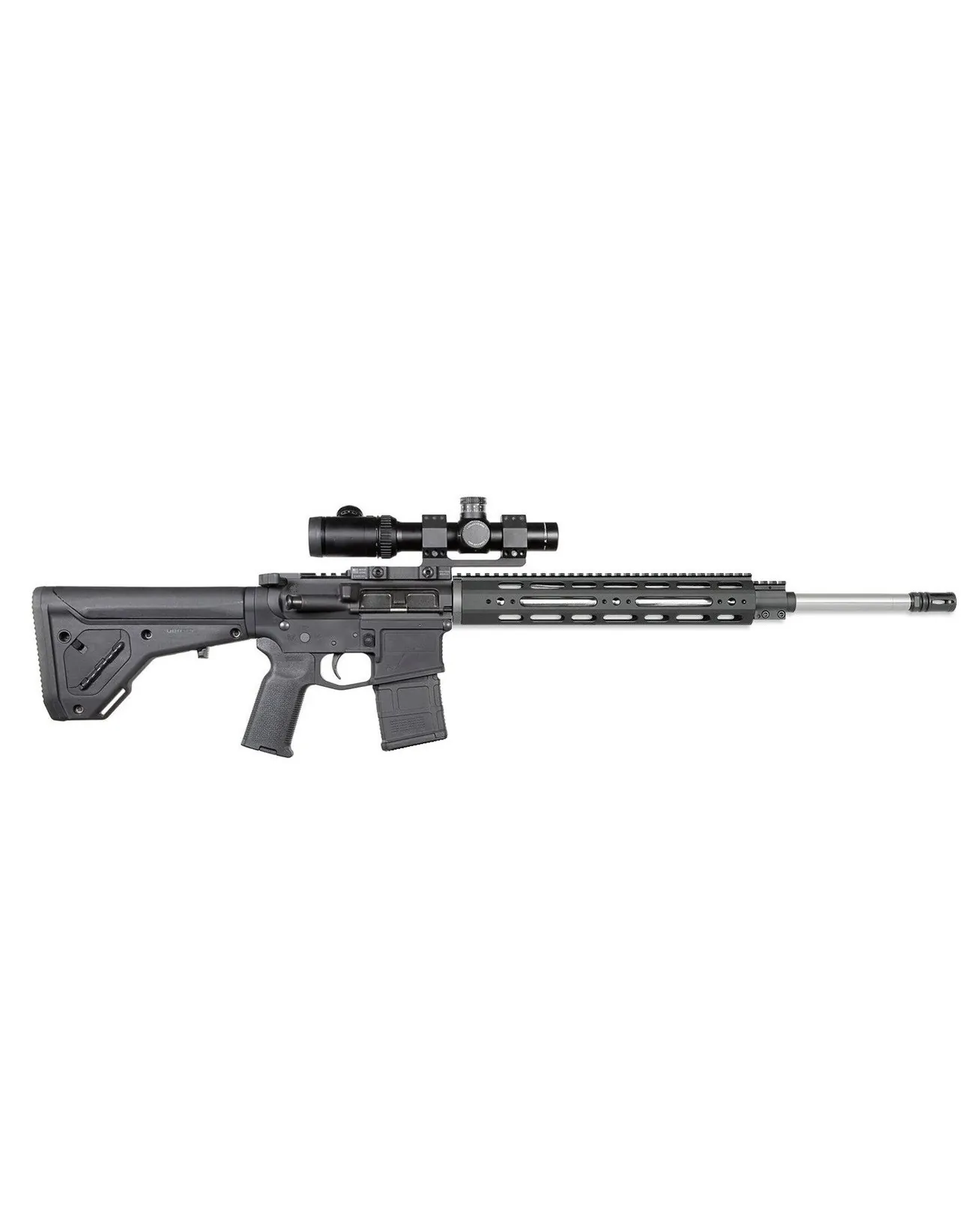
When two rifles are listed with different chamber markings, do not start by declaring one “better.” Put the listings side by side and work through the questions that would still matter if the labels were covered. What is the rifle meant to do? What barrel length and profile does it use? Is the configuration intended for a specific competition discipline, a broad-use range rifle, or a more specialized role? Which ammunition does the owner already plan to use? Those answers give the chamber marking its context.
Next, check the parts that affect how the rifle will live in your hands. A stock that does not fit well, an optic that does not match the intended distance, or a trigger that does not suit the shooter can matter more day to day than the distinction between two chamber names. For match use, also verify the rifle against the current match program before buying accessories around it. Rules change, and an older forum post is not a substitute for the event’s current requirements.
Finally, be honest about the use case. A rifle that stays a general-purpose range rifle does not need to be configured like a dedicated match gun. A buyer who expects to pursue service-rifle or high-power competition should not settle for a generic package and assume a few later changes will make it ideal. Starting with the intended job makes every later decision simpler, including the chamber choice.
How this applies to competition rifles
Service rifle and high-power competition are excellent examples of why generic advice falls short. Current match rules can govern rifle type, sights, weight, trigger requirements, and other features. The NRA’s high-power rifle overview notes that service-rifle and match-rifle divisions are distinct, and the exact event program can add its own requirements. A rifle that makes sense for one division may not be the right fit for another.
That is why a competitor should identify the matches they actually plan to shoot before settling on a build. Ask about the course of fire, current rules, sighting requirements, and the ammunition you expect to run. Then choose the configuration around those facts. The result is a rifle selected for a real season of shooting, not a parts list assembled around forum shorthand.
How DRD helps narrow the decision
DRD builds competition and precision AR-platform rifles around the intended discipline and the parts that need to work together. The competition-rifle selection includes National Match rifles and uppers with configurations that show why the whole setup matters: barrel type, chamber, handguard, stock, and trigger are considered together rather than treated as unrelated upgrades.
For a buyer who is still comparing .223 Wylde and 5.56 NATO, the most useful starting point is a simple one: explain how the rifle will be used, what ammunition you expect to shoot, whether a specific match is involved, and what handling or precision priorities matter. DRD can then help narrow the build around the actual job. Use the custom-build contact page to start that conversation before ordering a rifle that only looks right on paper.
Bottom line
A 5.56 NATO chamber is a practical choice for rifles built around 5.56 NATO ammunition and broad-use AR applications. A .223 Wylde chamber is a common precision-oriented option for shooters who want a chamber designed around .223 Remington and 5.56 NATO use. Neither is a universal “best” answer, and neither label settles the question of accuracy by itself.
Read the barrel marking, follow the manufacturer’s guidance, and choose the complete rifle around the shooting you plan to do. If the choice is between a general-purpose configuration and a match-focused setup, that distinction matters far more than a one-line internet verdict.
Frequently asked questions
Can I fire 5.56 NATO ammunition in a .223 Wylde chamber?
A .223 Wylde chamber is commonly selected for rifles intended to use both .223 Remington and 5.56 NATO ammunition, but the barrel maker’s marking and guidance should always control. If the marking is unclear, stop and verify it with the manufacturer or a qualified gunsmith before firing.
Can I fire 5.56 NATO ammunition in a .223 Remington chamber?
Do not assume that is safe. SAAMI specifically warns against firing 5.56 NATO ammunition in a barrel marked .223 Remington because chamber differences can create unsafe pressure conditions. Read the actual barrel marking, not the ammunition box alone.
What is the difference between a .223 chamber, 5.56 chamber, and a Wylde chamber?
.223 Remington chambers are rated for a maximum of 55,000 PSI and should be used with .223 Remington ammunition. 5.56 NATO chambers use a longer throat and safely fire both 5.56 NATO and .223 Remington ammunition. .223 Wylde chambers combine .223 Remington-style precision dimensions with enough freebore to safely accept both .223 Remington and 5.56 NATO ammunition.
.223 Remington Chamber
- Pressure: Rated for a maximum of 55,000 PSI.
- Throat/Lead: Features a shorter throat (shorter distance before the bullet engages the rifling), which optimizes mechanical accuracy for .223 loads.
- Interchangeability: Safely fires .223 Remington ammunition. Firing 5.56 NATO ammunition in a pure .223 chamber is unsafe due to longer throats and higher pressures in 5.56 rounds.
5.56 NATO Chamber
- Pressure: Designed for higher military pressures (roughly equivalent to 62,000 PSI in SAAMI terms).
- Throat/Lead: Features a longer freebore/throat to prevent high pressure spikes when firing hotter military-spec ammunition with varying projectile shapes.
- Interchangeability: Safely fires both 5.56 NATO and .223 Remington ammunition, though .223 may lose a minor degree of ultimate accuracy compared to a dedicated .223 chamber.
.223 Wylde Chamber
- Pressure: Built to safely handle higher 5.56 NATO pressures (roughly 62,000 PSI).
- Throat/Lead: A hybrid dimension designed by Bill Wylde. It features the tighter lead angle and tighter bullet seat diameter of the .223 Remington to increase accuracy but extends the freebore length just enough to safely accept 5.56 NATO ammunition.
- Interchangeability: Safely and accurately fires both .223 Remington and 5.56 NATO ammunition.
Always follow the actual barrel marking and the manufacturer’s instructions before firing. Pressure figures and chamber comparisons are not a substitute for verifying a specific barrel.
Is .223 Wylde more accurate than 5.56 NATO?
Neither marking guarantees a group size by itself. Barrel quality, ammunition, optic setup, trigger control, and the rest of the rifle matter. A .223 Wylde chamber is popular with shooters who want flexibility and a precision-oriented configuration, but it is not a shortcut around the rest of the system.
Which chamber is better for a competition rifle?
The better choice is the one that suits the governing match rules, the ammunition you plan to use, and the rifle configuration you can shoot consistently. Many competition-oriented AR builds use .223 Wylde chambers, while 5.56 NATO remains a practical choice for rifles built around broader ammunition flexibility.
What should I check before ordering an AR-platform rifle?
Start with the discipline or intended use, then confirm the chamber marking, barrel length and profile, sight or optic plan, stock fit, trigger preference, and the current rules for any match you intend to shoot. A clear use case prevents buying a rifle that is capable but mismatched to the job.
Related posts
AR-15 Barrel Length: 16 vs. 18 vs. 20 Inches
Compare 16-, 18-, and 20-inch AR-15 barrels for handling, velocity, and competition use before choosing a rifle.
Read the guide