
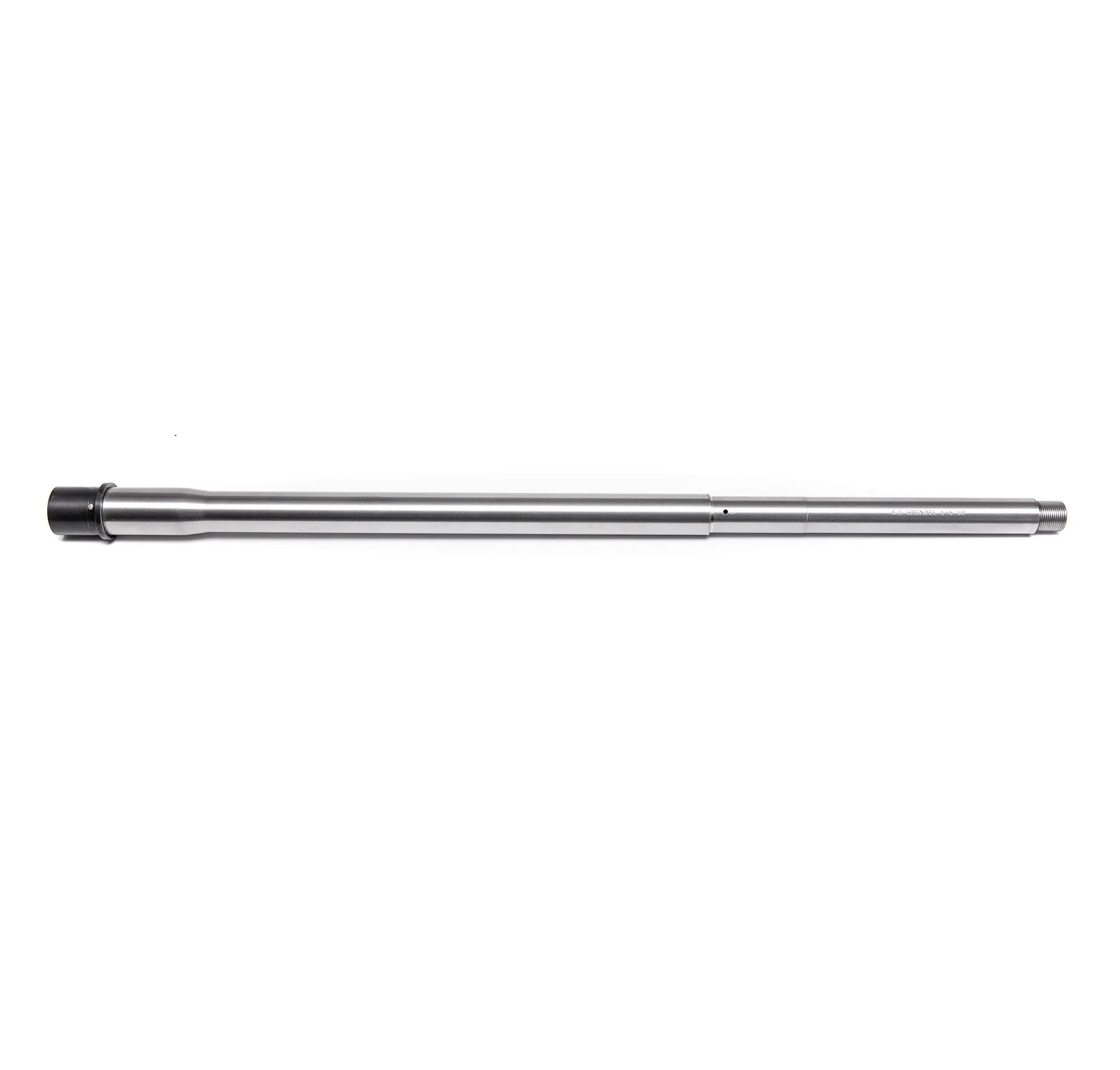
An AR-15 gas block is easy to overlook because it is often hidden beneath the handguard. It still has an important job: it connects the barrel’s gas port to the rest of the operating system. That makes it worth understanding when you are reading an upper specification, comparing complete rifles, or deciding whether an existing firearm needs professional attention.
The short answer
The gas block fits over the gas port area of an AR-platform barrel and routes a portion of the gas created when a cartridge is fired into the gas tube. That gas then helps the action cycle. It is one link in a connected system that also includes the barrel, gas tube, bolt carrier group, buffer system, ammunition, magazines, and the rifle’s overall assembly.
For a buyer, the important point is not to treat the gas block as an isolated upgrade. Its diameter must match the barrel journal, its shape must clear the handguard when one covers it, and its design has to suit the complete configuration. If a rifle has a cycling concern or unknown parts history, a manufacturer or qualified gunsmith should inspect the actual firearm before anything is changed.
What the gas block does
On a typical AR-pattern rifle, the barrel has a gas port that allows a small amount of gas to enter the gas system after firing. The gas block sits over that location and directs the gas into the gas tube, which carries it back to the receiver area. Brownells’ overview of AR-15 gas-block diameter explains why the block must match the outside diameter of the barrel at that mounting point.
That description is deliberately simple because the useful buyer lesson is simple too: the gas block is a functional interface, not a universal performance score. It does not by itself predict accuracy, reliability, recoil feel, or the quality of a rifle. Those outcomes depend on how the whole system was designed, assembled, maintained, and used.
Gas-block diameter is a fit question
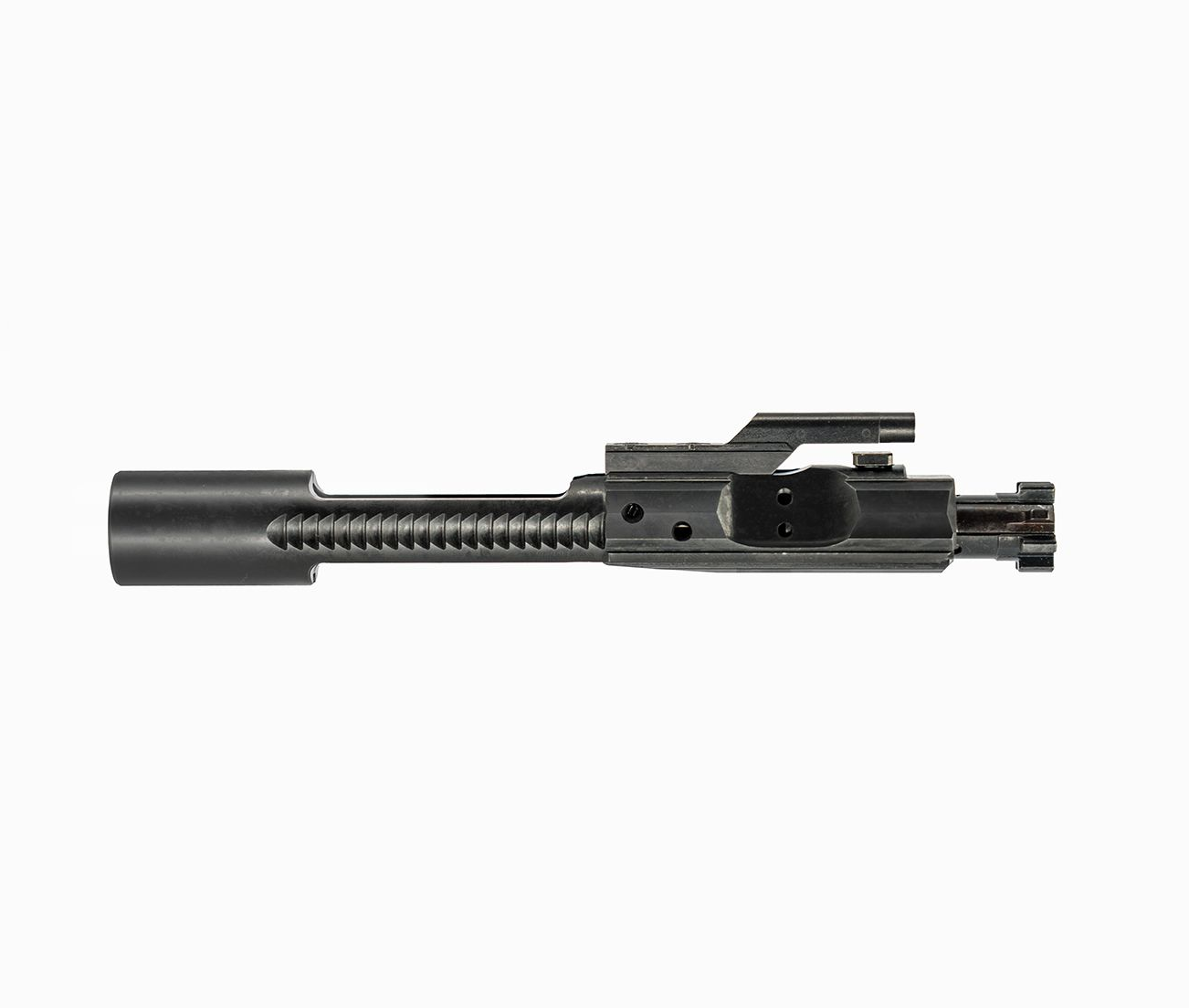
One of the first details to verify is the barrel’s gas-block journal diameter. A .750-inch journal is common, but it is not the only format. Some lightweight barrels use .625-inch journals, while heavier barrels can use larger dimensions. The correct information comes from the barrel’s manufacturer specification, not a photo, a general forum comment, or an assumption based on the rifle’s appearance.
DRD’s 16-inch Satern 6.5 Grendel barrel, for example, lists a .750 gas-block diameter alongside its cartridge, barrel length, twist rate, and mid-length gas system. Those details belong together. The diameter answers a fit question, while the remaining specification helps explain the larger configuration.
Because this interface affects the way a rifle operates, it is not a good place for guesswork. If the rifle in hand is not documented clearly, or if it is an older or previously modified firearm, stop before ordering parts. A qualified professional can identify the actual barrel and configuration without turning a basic compatibility question into a more expensive repair.
Low-profile, front-sight, fixed, and adjustable designs
Gas-block descriptions can sound like competing categories when they often answer different questions. A low-profile gas block is usually a compact design that can fit beneath a free-float handguard. A front-sight-base arrangement combines the gas-block location with a traditional front sight. Those terms describe shape and layout more than a universal ranking.
A fixed gas block routes gas according to the barrel and operating system it was designed to support. An adjustable design adds a means of regulating gas flow, but that does not make it the default answer for every rifle. Brownells notes that an adjustable block can restrict gas flow, but it cannot correct every source of a function problem. A malfunction, a change in behavior, or an unknown configuration deserves diagnosis, not a parts swap based on a popular label.
The practical comparison is whether the design belongs in the complete rifle. Handguard clearance, barrel diameter, gas-system length, cartridge, intended use, and the maker’s design all matter. A low-profile block can be exactly right under a free-float handguard. A fixed front-sight arrangement can be exactly right for a more traditional configuration. The best decision is the one that matches the documented rifle, not the one with the most options on a product page.

Why the handguard matters
A free-float handguard commonly covers the gas-block area, so clearance is part of the configuration. That is why a listing may specify a low-profile gas block along with the handguard and barrel. The purpose is not to give buyers another isolated feature to rank. It is to show that the parts have room to work together inside a complete upper.
DRD’s 6.5 Grendel Upper lists its 16-inch barrel, .750 gas block, low-profile gas block, and 12-inch M-LOK handguard as one package. Those listed parts are more useful together than apart. Someone comparing a finished upper can see the intended format without trying to assemble a compatibility chart from unrelated pieces.
That is also why a handguard or gas-block change should not be treated as a casual cosmetic project. The barrel, gas tube, block, handguard, and related hardware have to agree with one another. If an existing rifle needs a change because of fit, function, or an unfamiliar prior modification, bring the complete firearm and its known history to a qualified gunsmith.
Fixed and adjustable is not a better-and-worse scale
A fixed gas block is a straightforward part of a documented operating package. It can be an appropriate choice in a factory rifle, a complete upper, or a purpose-built configuration where the barrel and supporting parts were selected to work together. Its value is not that it is simple for its own sake. Its value is that the manufacturer can build the entire system around a known specification.
An adjustable design belongs to a different conversation. It gives a qualified professional another variable to consider when a specific configuration calls for it, but it adds no value just by appearing in a feature list. A buyer should not assume it is needed because another rifle uses one, or because a video describes it as a cure for every function concern. The exact barrel, cartridge, gas-system layout, ammunition, buffer system, and intended use still set the context.
That distinction is particularly useful when comparing product pages. A complete rifle with a fixed gas block may be the more sensible choice for a buyer whose needs already match its stated purpose. A custom project may need a more detailed conversation. In either case, a stable, compatible configuration is the goal, not the most adjustable part on the shelf.
What the gas-block label cannot tell you
A gas-block label cannot guarantee that a rifle will be reliable. Reliable function depends on the complete operating system, including the barrel and port design, gas tube, carrier, buffer and spring setup, ammunition, magazines, maintenance, and correct assembly. A good-looking part cannot compensate for an unrelated issue elsewhere in the rifle.
It cannot promise a particular recoil feel either. That experience changes with the rifle’s overall weight, stock fit, barrel profile, muzzle device, ammunition, shooting position, and the shooter. It is useful to learn the vocabulary in a listing, but it is not useful to turn one component name into a promise about every rifle that uses it.
Finally, a gas block does not make an AR-platform rifle more accurate by itself. Barrel quality, chamber, ammunition, optic or sights, trigger control, support, and shooter fundamentals remain central. DRD’s guide to AR-15 twist rates makes the related point: a specification has value when it helps describe a complete, purposeful rifle.
A better way to compare an upper or rifle
When two listings include different gas-block details, keep the larger buying decision in view:
- Start with the job. Decide whether the rifle is for range use, field use, a defined competition format, or another real purpose.
- Read the complete barrel specification. Compare chambering, length, profile, twist rate, and the stated gas-system format.
- Check the listed operating parts. Note the gas-block diameter, handguard style, and any other components the manufacturer identifies as part of the configuration.
- Look for a complete package. A finished upper or rifle designed around compatible components gives a buyer more useful context than a loose parts list.
- Ask for help before changing operating parts. If a firearm has a function issue or a part must be changed, consult the manufacturer or a qualified gunsmith.
This approach helps separate a meaningful specification from an internet shorthand. A gas block matters because it has a real job, but it is only one part of the rifle. The buyer gets a better answer by comparing the system around it.
When to involve a qualified gunsmith
Professional help is especially valuable when the question starts with a change in function rather than a new purchase. A rifle that was working and now behaves differently can have many possible causes. Ammunition, magazines, wear, damage, maintenance, an earlier modification, or an assembly issue can all affect the answer. Ordering a gas-block part first can obscure the cause and introduce another variable before the original problem is understood.
Bring useful facts to the conversation: the exact make and model, any known barrel or upper information, the original configuration when known, the ammunition normally used, and a clear description of what changed. Make sure the firearm is unloaded before handling or transporting it, and follow the manufacturer’s safety guidance. Those details allow a gunsmith to evaluate the real rifle rather than trying to solve a compatibility question from an incomplete description.
The same principle applies to a future build. Start with the role of the rifle, the cartridge, the expected distance, the sighting plan, and the handling qualities that matter to you. A builder can then recommend a compatible complete direction rather than trying to retrofit a list of popular parts into a rifle that was never designed around them.
How DRD helps keep the decision practical
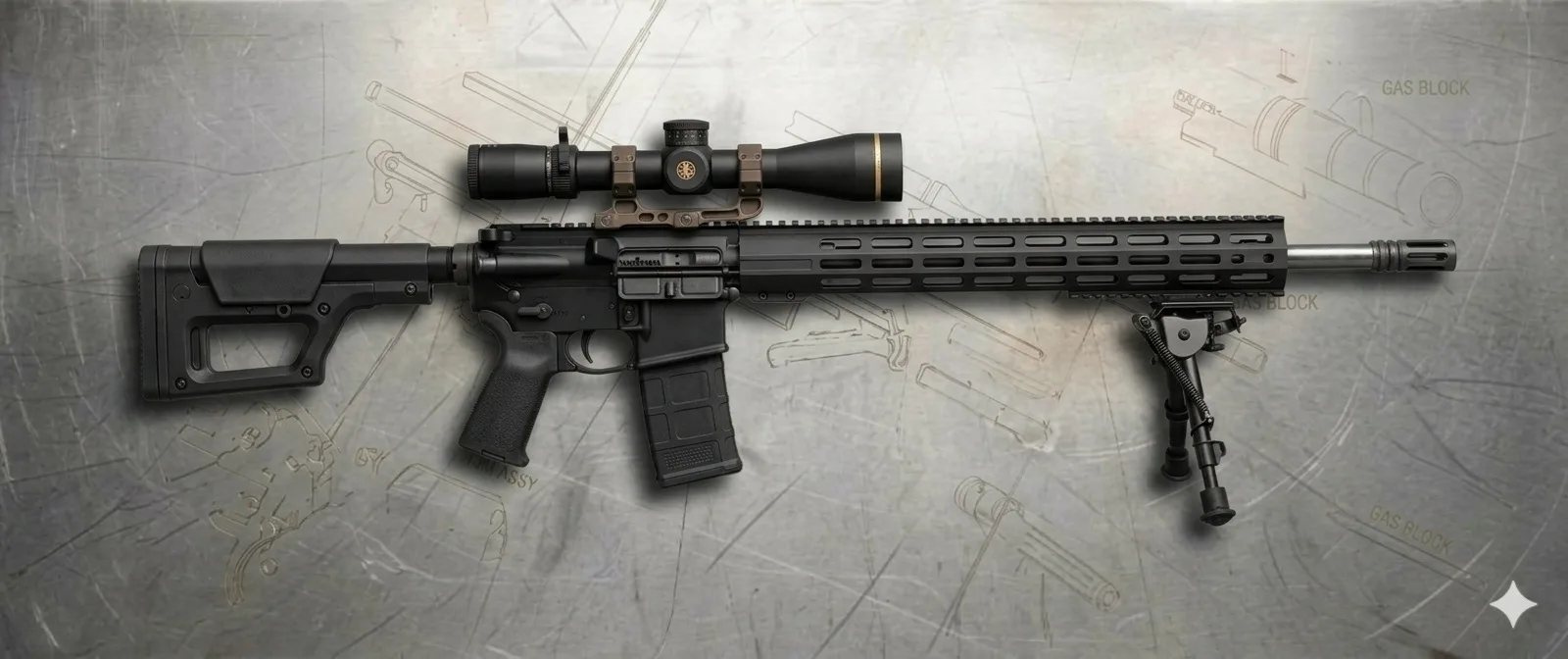
DRD builds and sells complete rifles and uppers with the key components identified in the published specification. That gives a buyer a more grounded way to compare options. The gas-block diameter, gas-system format, barrel, handguard, stock, trigger, cartridge, and intended role are considered as a package rather than a collection of unrelated upgrades.
For an existing rifle that needs inspection or a carefully considered modification, DRD’s AR-15 gunsmithing service is the safer place to begin. Bring the exact make and model, any known change history, and a plain description of the concern. That lets a professional assess the actual firearm and the compatibility question in front of them.
Bottom line
An AR-15 gas block routes gas from the barrel to the operating system. It must fit the documented barrel, clear the relevant handguard, and make sense within the complete configuration. Its label can help a buyer understand a rifle listing, but it cannot replace the rest of the specification or a professional diagnosis when something is not right.
Choose the rifle around the shooting you actually plan to do, then compare the full barrel, gas-system, handguard, and operating details together. When a working firearm needs a change, make sure it is unloaded and let the manufacturer or a qualified gunsmith guide the next step.
Frequently asked questions
What does an AR-15 gas block do?
An AR-15 gas block sits over the barrel’s gas port and routes a small amount of gas into the gas tube so the operating system can cycle. It is a functional part of the complete rifle, not a cosmetic accessory or a stand-alone performance upgrade.
What is the most common AR-15 gas-block size?
Many AR-platform barrels use a .750-inch gas-block journal, but that is not universal. Lightweight and heavy-barrel formats can use other diameters. The exact barrel specification, not a visual estimate or a general rule, is the correct source for fit.
Is a low-profile gas block better?
Low-profile gas blocks are commonly used beneath free-float handguards because they provide clearance inside that style of rail. They are not automatically better for every rifle. The right choice depends on the barrel, handguard, gas system, intended use, and the complete configuration.
Does every AR-15 need an adjustable gas block?
No. An adjustable gas block is not a universal upgrade or a cure for a rifle with an unknown function issue. A factory or purpose-built configuration may use a fixed gas block appropriately. Any change to the operating system should begin with the manufacturer or a qualified gunsmith.
Should I replace a gas block myself?
A gas-block change affects the barrel and operating system. If a rifle has a function concern, uncertain parts history, or a desired configuration change, make sure it is unloaded and consult the manufacturer or a qualified gunsmith before altering it.
Related posts

Carbine vs. Mid‑Length Gas System: How to Choose
Carbine vs. mid-length gas system for a 16-inch AR-15: what each label means and the full rifle details to compare before you buy.
Read the guide
AR-15 Buffer Weight Chart: Standard, H, H2, and H3
AR-15 buffer weight chart: standard 3.0 oz., H 3.8 oz., H2 4.7 oz., and H3 5.4 oz. Understand the labels before changing parts.
Read the guide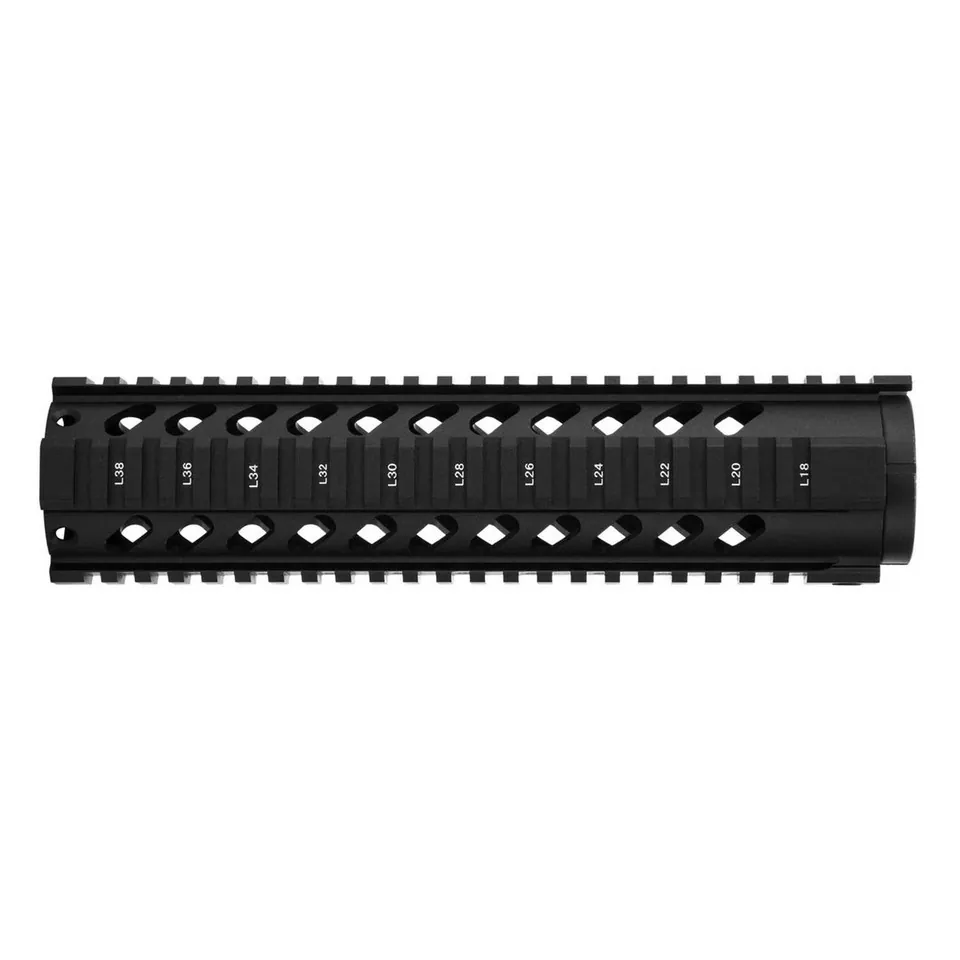
What Is a Free-Float Handguard? A Practical Guide
Understand what a free-float handguard does, how it differs from a drop-in design, and what to compare before choosing an AR-15 upper.
Read the guide