
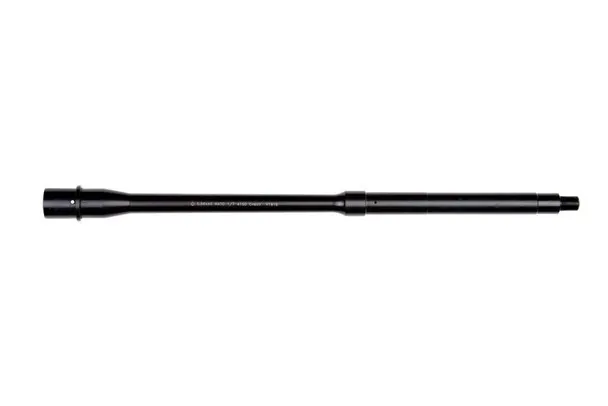
A twist-rate number can look like a simple specification, but it only matters when it is paired with the bullet and rifle it will be asked to work with. A 1:7, 1:8, or 1:9 barrel does not carry an automatic accuracy ranking. It describes how quickly the rifling spins a bullet. The better question is whether that rate fits the ammunition, distance, sighting plan, and shooting discipline you have in mind.
The short answer
For an AR-15, 1:7, 1:8, and 1:9 are common rifling-twist formats. The smaller number is the faster twist: a 1:7 barrel spins a bullet once every seven inches, while a 1:9 barrel does it once every nine inches. Faster twists are often selected when a shooter expects to use longer .224-caliber bullets. Slower twists are more often associated with shorter, lighter bullet designs. That is a starting point, not a substitute for checking the actual load.
The important detail is that bullet length influences stability, not just the weight printed on the box. Two bullets with the same grain weight can have different shapes, construction, and lengths. A practical comparison should therefore start with the ammunition you intend to shoot, then move outward to the barrel, chamber, optic or sights, and the role of the rifle.
Use this chart as a decision aid, not as a promise. The Berger Twist Rate Stability Calculator is useful when you have the details of a particular bullet and want to account for twist, velocity, and conditions. Real range confirmation with the rifle and load remains the final test.
AR-15 twist rate chart
| Twist rate | What it means | Common starting point | Where it often fits |
|---|---|---|---|
| 1:7 | One rifling turn in seven inches. This is the fastest of these three common rates. | Often considered for longer .224-caliber bullets and competition-oriented ammunition plans. | High-power, service-rifle, AR-Tactical, and other builds where the complete setup is selected around a specific match or distance plan. |
| 1:8 | One rifling turn in eight inches. It sits between 1:7 and 1:9. | A common middle-ground choice when a shooter wants flexibility across a broad but deliberate ammunition plan. | General-purpose and 3-Gun-style builds where handling, ammunition choice, and practical accuracy all matter. |
| 1:9 | One rifling turn in nine inches. This is the slowest rate in this comparison. | Often associated with shorter, lighter .224-caliber bullet designs. | Use cases centered on the specific ammunition a shooter already knows they will use, after checking compatibility with the barrel maker. |
There is no universal bullet-weight cutoff hidden inside this chart. It is more accurate to say that longer bullets generally demand more rotational stability, while a particular bullet's length, construction, velocity, and the conditions at the range all affect the answer. A calculator can narrow the choice, but a few groups with the ammunition you will actually buy tell you more than forum shorthand.
How to read 1:7, 1:8, and 1:9
Twist rate is written as one turn in a stated number of inches. A 1:7 barrel makes one complete rifling turn over seven inches. A 1:8 barrel makes that same turn over eight inches. Because the bullet travels the same distance through both barrels, the 1:7 barrel gives it more spin. Ballistic Advantage's AR-15 twist-rate explanation uses the same practical definition: the number describes how many inches of barrel it takes for the projectile to make a full rotation.
That extra spin is not an accuracy upgrade by itself. It is a way to give a particular bullet enough gyroscopic stability for the job. If a bullet is poorly stabilized, it may not fly predictably. If it is stable, the complete rifle still has to do its part. Barrel quality, ammunition consistency, chamber, crown, optic or iron sights, trigger control, support, and the shooter all remain part of the group on the target.
This is why a twist-rate conversation should never begin and end with, "Which one is best?" A rifle built for a known match, a fast practical stage, deliberate paper targets, or a general range role can all make sensible choices for different reasons. The right decision comes from the work, not a specification in isolation.
Why bullet length matters more than a grain number
Bullet weight is easy to see on a box, so it gets most of the attention. But twist rate is responding to the bullet's physical shape in flight. Longer bullets usually need more rotational stability than shorter bullets of the same diameter. Construction can change that length. A conventional lead-core bullet, a monolithic bullet, and a polymer-tipped bullet can all behave differently even when their listed weights are similar.
That is why a simple rule such as "this twist is for this exact grain weight" can mislead a buyer. It can be a useful shorthand for a first conversation, but it does not tell the whole story. The Berger stability tool asks for more than weight, including bullet length, twist, muzzle velocity, temperature, and altitude. Those inputs reflect the variables that a one-number chart cannot capture.
For a buyer, the practical process is simple. Pick the ammunition you expect to use most often. Check the bullet maker and barrel maker's guidance. Then test the actual rifle with a sensible sample of that load. If a match or hunting trip depends on the setup, confirm it well before the event. The goal is not to win a specification debate. It is to build confidence in the system you will carry and shoot.
When a 1:7 twist makes sense
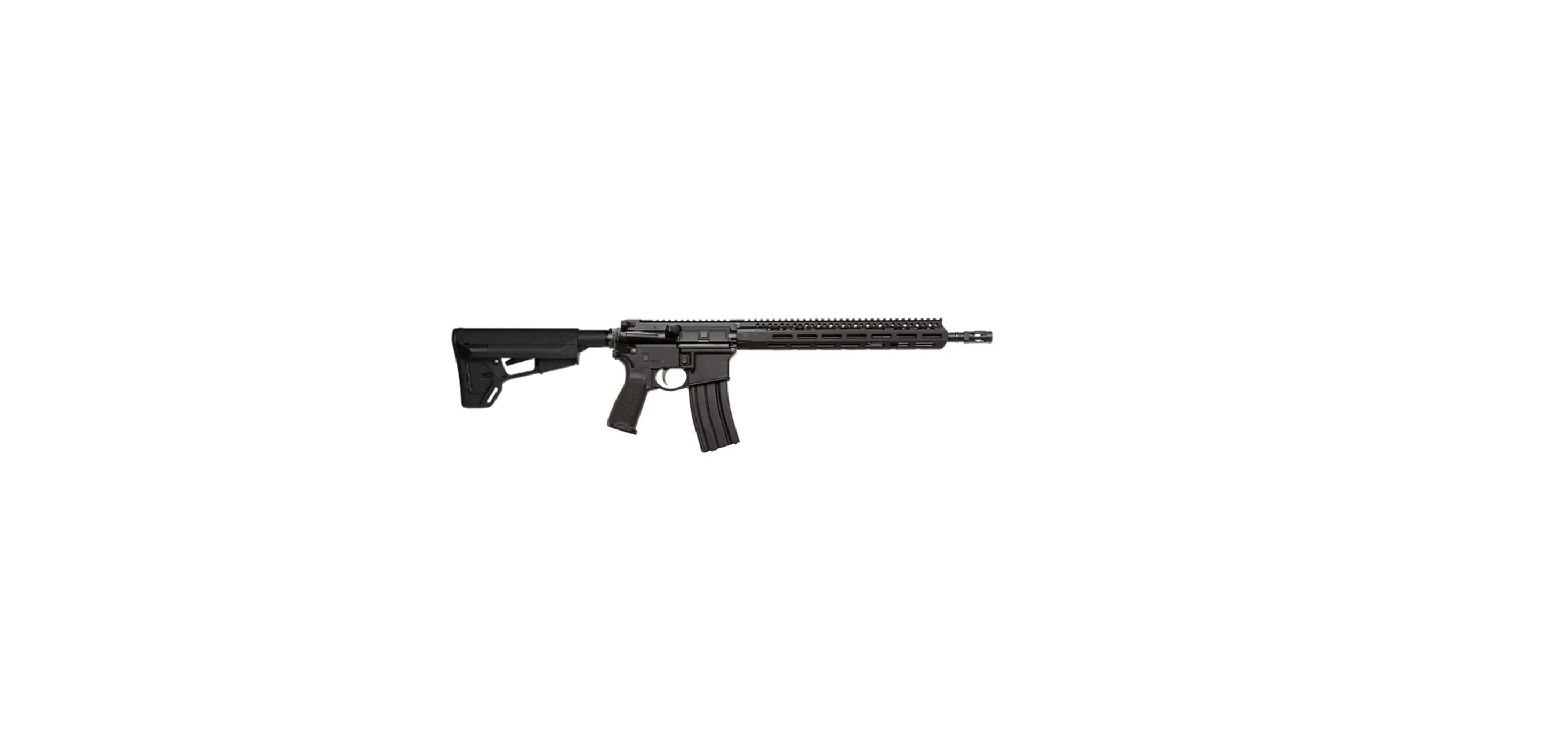
A 1:7 twist rate is a familiar choice for AR-15 configurations expected to use longer .224-caliber bullets. It comes up often in match-oriented rifles because the intended ammunition, barrel profile, sighting system, and course of fire are selected together. DRD's AR-Tactical Rifle, for example, uses a 22-inch .223 Wylde barrel with a 1:7 twist in a configuration shaped around NRA and CMP AR-Tactical competition.
That does not mean a 1:7 barrel is only for competition, or that every competition shooter needs one. It means the rate is a credible starting point when the expected ammunition plan includes bullets that benefit from it. A buyer still needs to check the complete build. Barrel length, chamber, gas system, profile, stock, trigger, sighting arrangement, and the rules of a specific discipline can matter just as much to whether the rifle feels right and performs consistently.
For National Match or service-rifle use, identify the event before finalizing a parts list. The CMP rulebook library and the NRA competition rulebooks are better sources than an old forum thread when a rifle must comply with current match requirements. A fast twist can be useful, but it cannot turn a mismatched configuration into the right rifle for a rule-bound event.
Why 1:8 is a popular middle ground
A 1:8 twist is often chosen by shooters who want a flexible AR-15 without selecting a barrel around a very narrow ammunition plan. It sits between 1:7 and 1:9, which makes it a natural part of the conversation for practical rifles, 3-Gun builds, and shooters who expect to try more than one sensible .223 Remington or 5.56 NATO load.
Flexibility should not be mistaken for a blanket guarantee. A 1:8 barrel is not automatically right for every projectile a buyer may find on a shelf. The same rule still applies: verify the specific load and rifle combination. But it is a useful option when the intended role is broad enough that the shooter values a balanced setup rather than a configuration optimized around one narrow use.
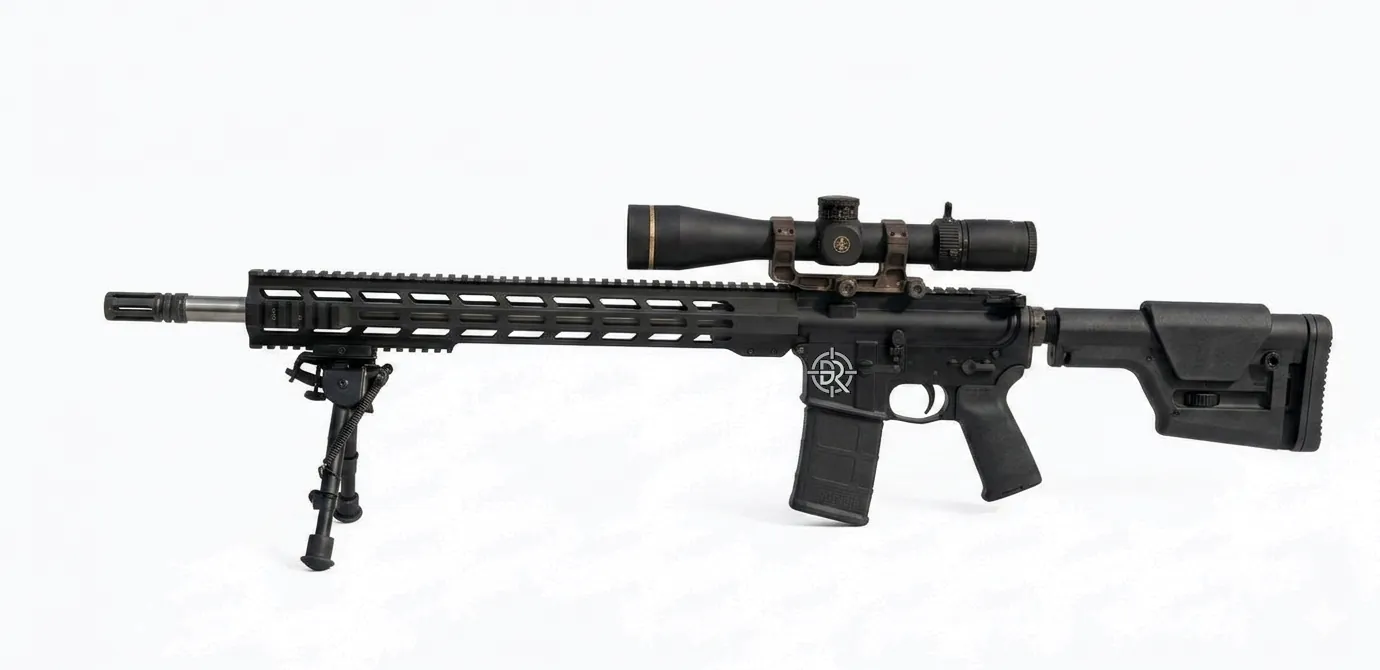
The DRD-15 3-Gun Rifle shows how that kind of choice belongs inside a whole package. Its 16-inch .223 Wylde, 1:8 twist barrel sits alongside a mid-length gas system, M-LOK handguard, adjustable stock, and two-stage trigger. The relevant lesson is not that every 3-Gun rifle needs those exact parts. It is that twist rate works best when it is selected with the rifle's handling and course of fire in mind.
Where 1:9 belongs in the comparison
A 1:9 twist is slower than 1:7 and 1:8, so it is commonly discussed around shorter and lighter .224-caliber bullet designs. That makes it a reasonable option to evaluate when a shooter already has a consistent ammunition plan built around those loads. The mistake is treating it as obsolete or treating it as a limitation before asking what the rifle actually needs to shoot.
It is also the point where vague internet recommendations become least helpful. A shopper may see a single bullet weight paired with a 1:9 chart entry and assume the answer is settled. But different bullets can be longer or shorter at the same weight, and conditions can influence stability. Check the manufacturer's information for both the barrel and bullet. Then put the intended ammunition on paper before depending on the rifle for a particular task.
For a new build, a slower twist may be perfectly sensible when it matches the ammunition, distance, and role. For a buyer who expects to move between a wider range of loads or pursue a specific competition format, it may be worth discussing the choice with the builder before the barrel is ordered. The better decision is the one with a clear reason behind it.
Do not confuse twist rate with barrel length or chamber
Twist rate, barrel length, and chamber are separate specifications that work together. A 16-inch barrel can use a 1:7, 1:8, or 1:9 twist. A 20-inch barrel can do the same. Length influences handling and can affect muzzle velocity with the same load. Twist influences the bullet's spin. The chamber describes the portion of the barrel that accepts the cartridge. None of these details can replace the others.
That distinction matters because buyers often see all three specifications in one product listing and treat them as versions of the same thing. They are not. DRD's guide to AR-15 barrel length explains the handling and use-case tradeoffs behind 16-, 18-, and 20-inch formats. The guide to .223 Wylde and 5.56 NATO chambers covers the separate question of chamber markings and ammunition compatibility.
Read all three details together. A 16-inch practical rifle with a 1:7 twist and a 5.56 NATO chamber is a complete proposition, not just three numbers on a sales page. A 20-inch National Match build with a 1:7 twist and a .223 Wylde chamber is another. The job of the buyer is to compare the complete configuration against the shooting they intend to do.
What twist rate cannot tell you
Twist rate is useful because it narrows a barrel choice, but it cannot tell you whether the finished rifle will meet your expectations. It does not identify the quality of the bore, the condition of the crown, the consistency of the ammunition, or how the rifle was assembled. It does not choose an optic, set a zero, or make a stock fit the shooter. A product listing that leads with a twist-rate number may be giving you one relevant fact, but it is not giving you the whole performance story.
It also cannot predict a group's size without a specific load and a specific rifle. A shooter can have a sensible twist rate and still get disappointing results from ammunition the barrel does not prefer, an optic that does not match the target and distance, loose mounting hardware, or inconsistent shooting support. Conversely, a rifle with a twist rate that sounds less fashionable online can be an excellent tool when its barrel, load, and role are well matched. The point is not to dismiss the specification. It is to put it in the right order of importance.
That order becomes clearer when a buyer compares two rifles. Start with the job. Then look at the chamber, barrel length, profile, gas system, twist rate, trigger, stock, handguard, sights, and intended ammunition. If one rifle is built as a National Match configuration and the other is a faster-handling practical rifle, a twist-rate comparison alone will not explain the difference. The rest of the build tells you what each rifle is meant to do.
How to test a twist-rate choice at the range
Once the rifle is in hand, keep the first range session simple. Use the same known load for a short, careful test rather than mixing every box of ammunition in the bag. Confirm that the rifle is safely set up, that the optic or sights are securely mounted, and that you are shooting from a stable position. Then record the load, distance, conditions, and group results. This gives you a useful baseline instead of an impression formed from one rushed string.
When comparing loads, change one variable at a time. If you move from one bullet design to another, do not also change the optic setting, shooting position, and distance. Give the rifle a fair chance to show a pattern. A consistent difference across several groups is more meaningful than one unusually good or bad group. If a result is surprising, check the simple things first: optic mounts, action screws where applicable, ammunition mix-ups, fouling, and shooting support.
For a competition rifle, test the ammunition in the positions and distances that resemble the event. A load that looks fine from a supported bench may not answer every question about a full course of fire. For a practical rifle, test the setup in a way that reflects the distances, targets, and handling you actually expect. The goal is not to turn every owner into a ballistic lab. It is to make sure the rifle, ammunition, and shooter are working from real information before a match, trip, or important range day.
Common mistakes when comparing twist rates
Choosing from bullet weight alone
Grain weight is a helpful label, but it is not a complete stability calculation. Bullet length and construction can change the answer. Treat a chart as the beginning of the question, then check the actual bullet and barrel guidance before committing to a build or a large quantity of ammunition.
Copying a match rifle without the match context
A 1:7 twist National Match rifle may be a smart answer for a shooter who has a defined course of fire, a known ammunition plan, and a rule set to satisfy. That does not automatically make it the best fit for someone who wants a compact, broad-use AR. Borrow the decision process from experienced shooters, not just their parts list.
Expecting the twist rate to solve every accuracy problem
A twist rate cannot compensate for poor ammunition, an unsuitable sighting system, loose hardware, or a rifle that is simply not configured for the task. Start with the complete setup and make changes deliberately. That approach is less exciting than chasing a single specification, but it prevents expensive guesswork.
A simple buying checklist
Before deciding that 1:7, 1:8, or 1:9 is right for your next AR-15, work through these questions in order:
- What ammunition will you actually use? Start with bullet design and manufacturer guidance, not a generic grain-weight rule.
- What is the rifle's job? A general range rifle, 3-Gun build, AR-Tactical rifle, and service-rifle configuration ask for different tradeoffs.
- What barrel length and chamber make sense? Compare those specifications as part of the same system, not as separate upgrades.
- What sighting system will you run? The optic or iron-sight plan should match the distance and discipline the rifle is expected to cover.
- Do match rules apply? Check the current rulebook before buying around a format that may not fit the event.
- Can you test the intended load? Range verification with the actual rifle is more useful than assuming a chart settles every combination.
This order keeps the decision grounded. It is easy to buy the "right" twist rate for the wrong role, or the right barrel for ammunition you never plan to shoot. A useful build begins with a clear purpose and ends with a rifle the owner understands well enough to use confidently.
How DRD helps narrow the choice
DRD's catalog includes real examples of the way twist rate changes with the role of the rifle. The competition rifle selection includes National Match and AR-Tactical configurations built around 1:7 twist barrels, while the DRD-15 3-Gun Rifle uses a 1:8 twist barrel as part of a faster-handling competition package. Those are starting points, not one-size-fits-all answers.
For a custom AR-15, the best information to bring to the conversation is straightforward: the ammunition you expect to use, normal distances, intended discipline, preferred sighting system, desired handling, and whether a specific match rulebook applies. DRD can use that context to help compare a complete build instead of sending a buyer toward a barrel based on one number alone. The custom-build contact page is the right place to start that conversation.
Bottom line
A 1:7 twist turns a bullet faster than a 1:8, and a 1:8 turns it faster than a 1:9. That is the simple part. The useful choice depends on the actual bullet, the rifle's purpose, and the rest of the configuration. Longer .224-caliber bullets often lead shooters toward faster twists, while a slower twist can make complete sense for a narrower, lighter-bullet plan.
Use a twist-rate chart to ask better questions, then confirm the answer with the barrel maker, the ammunition maker, and time on the range. When the complete rifle supports the job you have in mind, the twist rate becomes a useful part of a well-considered build rather than another isolated specification to chase.
Frequently asked questions
Is 1:7 or 1:8 twist better for an AR-15?
Neither is automatically better. A 1:7 barrel is commonly chosen where a shooter expects to use longer .224-caliber bullets, while a 1:8 barrel is a popular middle-ground option. The actual bullet design, barrel, ammunition, distance, and intended use matter more than a one-line winner.
Can I shoot 55-grain ammunition through a 1:7 twist barrel?
Many shooters use 55-grain ammunition in 1:7 barrels, but the rifle and the specific load still need to be checked at the range. A safe, useful answer comes from the barrel maker's guidance and real verification with the ammunition you intend to use, not from bullet weight alone.
Does a faster twist rate make an AR-15 more accurate?
No. A faster twist rate can help stabilize a longer bullet, but it does not guarantee smaller groups. Barrel quality, chamber, ammunition consistency, optic or sights, trigger control, and the shooter's technique all affect practical accuracy.
What does 1:7 twist mean?
A 1:7 twist rate means the rifling completes one full turn in seven inches of barrel travel. Because seven is a smaller number than eight or nine, a 1:7 barrel spins a bullet faster than a 1:8 or 1:9 barrel.
How should I choose a twist rate for a custom AR-15?
Start with the ammunition and shooting you expect to do most often. Then match the twist rate with the barrel length, chamber, sighting system, and intended discipline. If the rifle has a specific competition role, confirm the current rules before selecting the complete configuration.
Related posts
.223 Wylde vs. 5.56 NATO: Can You Shoot Both?
Can you shoot 5.56 NATO in a .223 Wylde barrel? Yes. See how .223 Wylde, 5.56 NATO, and .223 Remington chamber markings differ before you buy.
Read the guide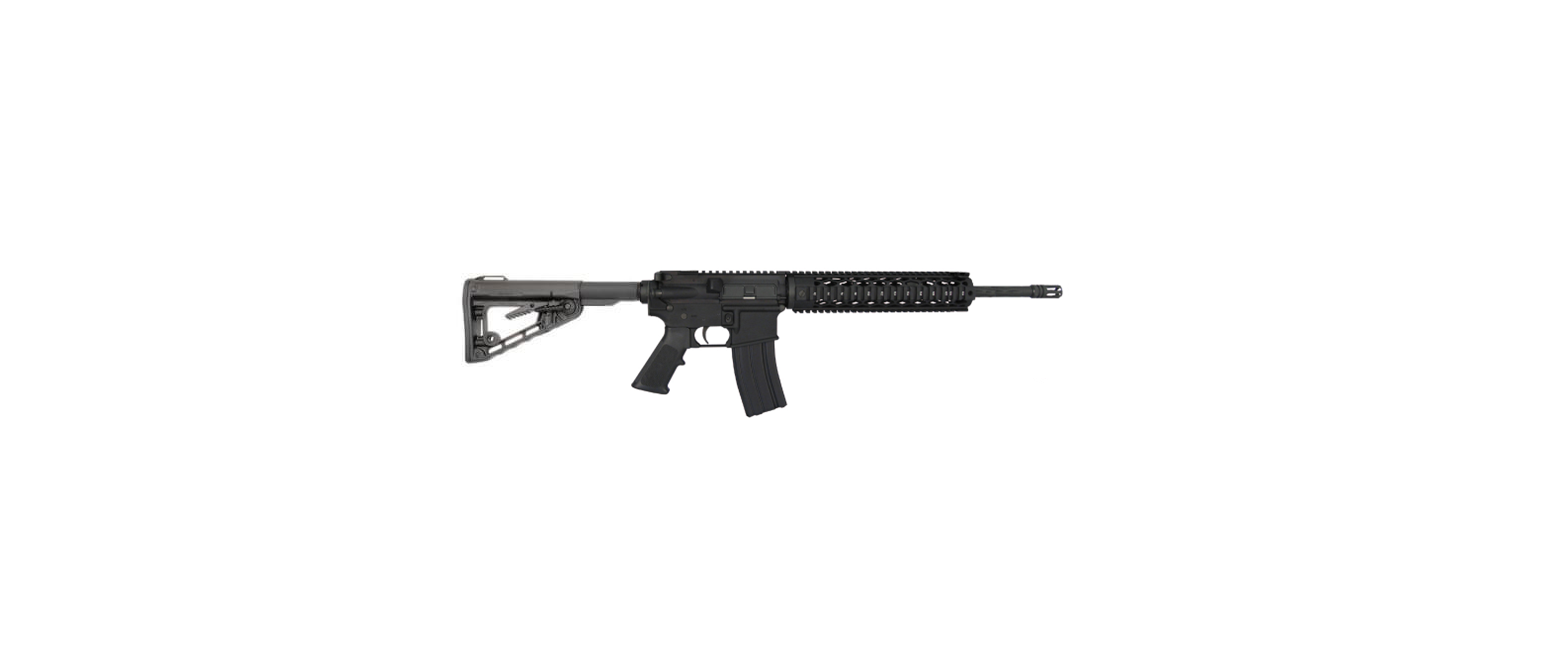
AR-15 Barrel Length: 16 vs. 18 vs. 20 Inches
Compare 16-, 18-, and 20-inch AR-15 barrels for handling, velocity, and competition use before choosing a rifle.
Read the guide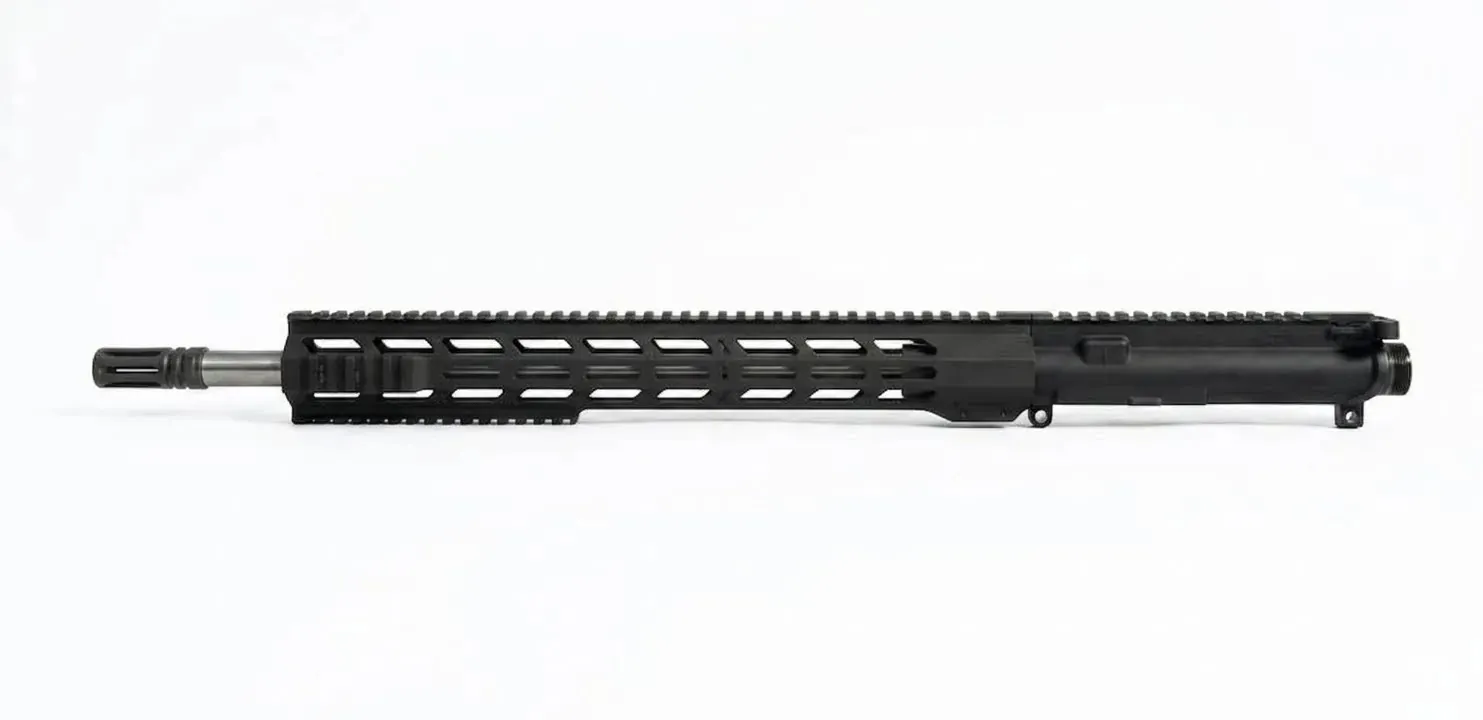
Carbine vs. Mid‑Length Gas System: How to Choose
Carbine vs. mid-length gas system for a 16-inch AR-15: what each label means and the full rifle details to compare before you buy.
Read the guide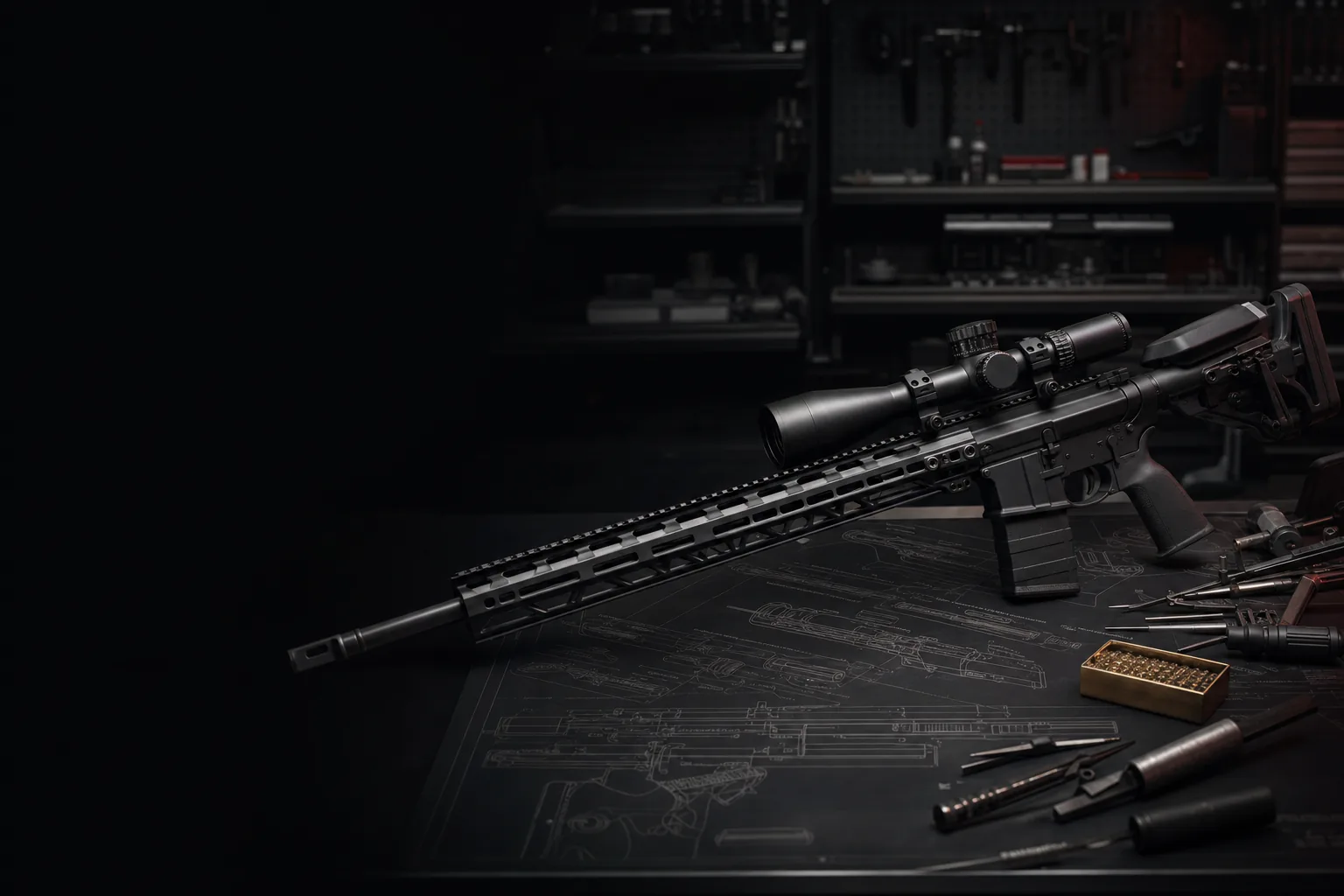
AR-15 Buffer Weight Chart: Standard, H, H2, and H3
AR-15 buffer weight chart: standard 3.0 oz., H 3.8 oz., H2 4.7 oz., and H3 5.4 oz. Understand the labels before changing parts.
Read the guide
AR-15 Trigger Pull Weight: What It Means
Understand AR-15 trigger pull weight, single-stage and two-stage feel, and why the right choice starts with the rifle's intended role.
Read the guide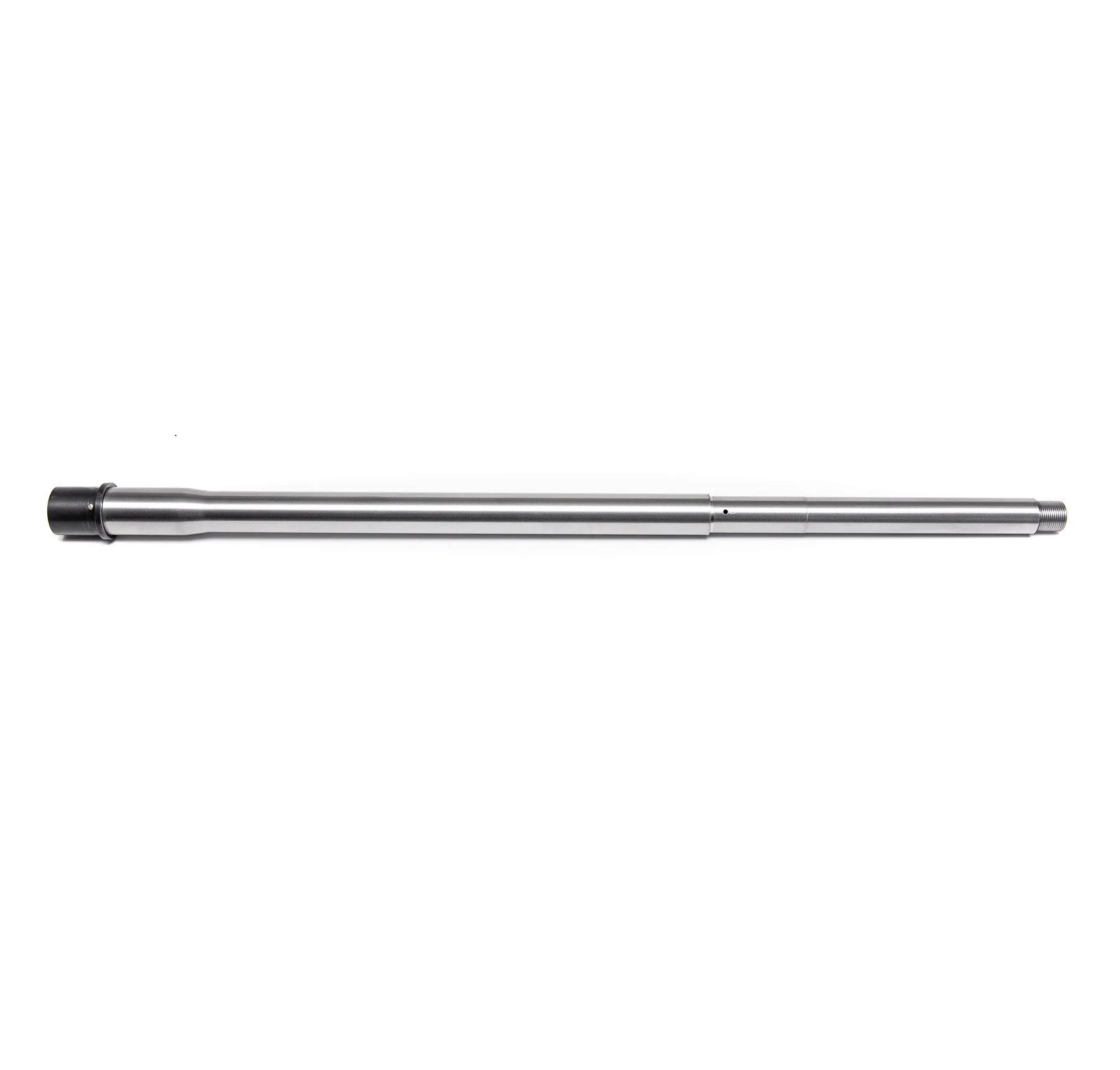
AR-15 Barrel Profile: Lightweight, Government, and HBAR
Compare lightweight, government, and HBAR AR-15 barrel profiles around balance, heat, intended use, and the complete rifle.
Read the guide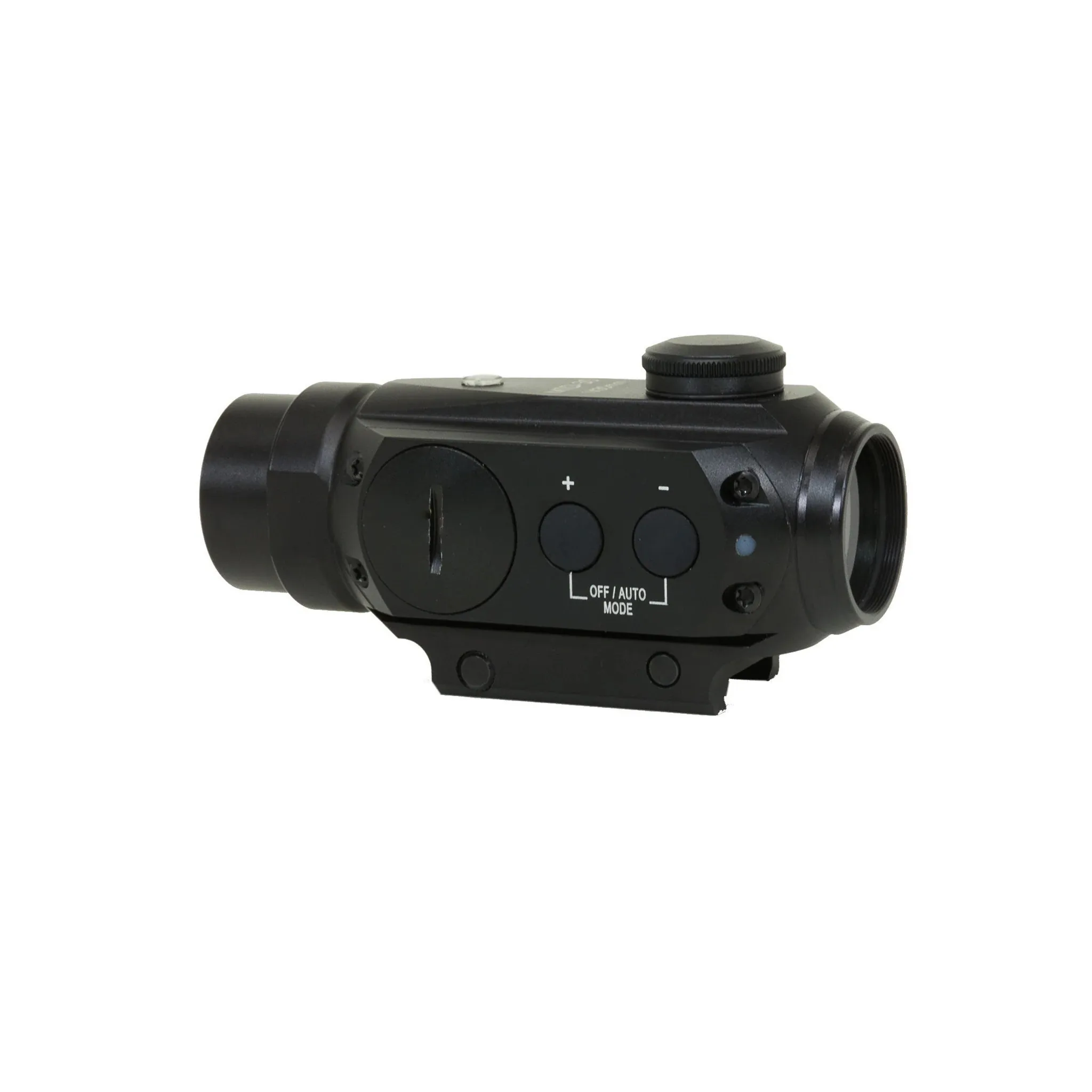
Best Scope for an AR-15: A Practical Buying Guide
Compare red dots, low-power variable scopes, and service-rifle optics around distance, shooting role, and the complete AR-15 setup.
Read the guide
Best Sling for an AR-15: Two-Point vs. Single-Point
Compare two-point and single-point AR-15 slings around rifle role, comfort, retention, attachment points, and safe transport.
Read the guide