
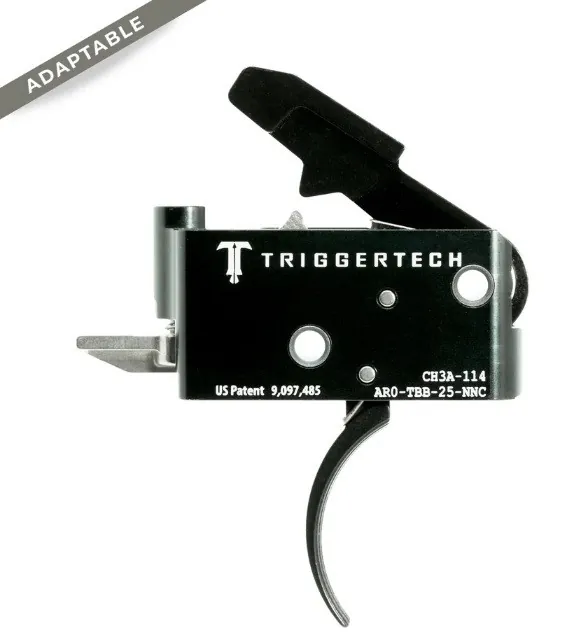
An AR-15 trigger pull weight is easy to reduce to a number. A listing may say 2.5 pounds, 3.5 pounds, or 5 pounds, and it is tempting to treat the smallest number as the obvious upgrade. That misses the real buying decision. Pull weight is only one part of how a trigger feels and functions inside a complete rifle. The useful choice begins with the rifle's job, the type of shooting, the needed level of control, the relevant rules, and the manufacturer's guidance.
The short answer
Trigger pull weight describes how much force is required to move a trigger through its intended action and release the shot. It does not describe the whole experience. A trigger can have a similar stated pull weight to another trigger while feeling different because of its stage design, take-up, break, overtravel, reset, trigger shoe, and the rifle around it.
A lighter pull is not automatically better. A competition rifle, a general-purpose rifle, a hunting setup, and a rule-bound service-rifle configuration can have different needs. The right question is not, "What is the lightest trigger I can buy?" It is, "What complete rifle and shooting role am I trying to support?"
For perspective, the TriggerTech AR-15 Adaptable two-stage trigger is offered with a 2.5 to 5.0 pound pull-weight range, while its maker notes that the product should be installed and safety-checked by a competent professional when the owner does not have the necessary skills. That is the sensible frame for any trigger decision: start with role and compatibility, then leave installation and function checks to the right level of expertise.
What trigger pull weight tells you
Pull weight gives a shopper one measurable detail. It tells you the amount of force the trigger is designed to require, usually stated in pounds. It can help distinguish broad product families and can matter when a competition rule sets a minimum. It can also help a buyer compare two otherwise similar triggers when both were designed for the same rifle and purpose.
What it does not tell you is whether the trigger will suit every shooter or every configuration. It cannot confirm compatibility with a particular receiver, explain whether a trigger is intended for a different AR pattern, or show whether the rifle will be safe and reliable after a change. It also cannot guarantee better accuracy. A precise shot depends on the complete rifle, the ammunition, sighting system, support, shooting fundamentals, and conditions on the range.
That distinction is useful when reading product pages. A number like 3.5 pounds should be viewed as a detail to investigate, not the conclusion. Look for the intended use, the stage design, maker compatibility information, and whether the rifle itself is a complete, purpose-built configuration.
Single-stage and two-stage feel
Pull weight is often discussed alongside trigger stage design. A single-stage trigger moves through one continuous pull before the break. A two-stage trigger has an initial movement, often called take-up, followed by a more defined second stage before the break. Both can be well made. Both can be a poor choice when their role, compatibility, or setup does not fit the rifle.
| Feature | Single-stage | Two-stage | What a buyer should consider |
|---|---|---|---|
| Basic feel | One continuous pull to the break. | Initial take-up followed by a defined second stage. | Try to understand the intended shooting role instead of choosing from stage count alone. |
| Common discussion | Often discussed around a direct, consistent feel. | Often discussed around a deliberate final press after take-up. | Neither description guarantees a better result for every rifle or shooter. |
| Important check | Confirm the product is rated for the exact platform and use. | Confirm the product is rated for the exact platform and use. | Follow the manufacturer's compatibility and professional-installation guidance. |
Stage design and pull weight are related but separate. A shopper should not assume that every two-stage trigger is light, or that every single-stage trigger is intended for the same type of rifle. The feel a shooter prefers matters, but it comes after the safety, compatibility, and intended-use questions have been answered.
Why the rifle's role comes first
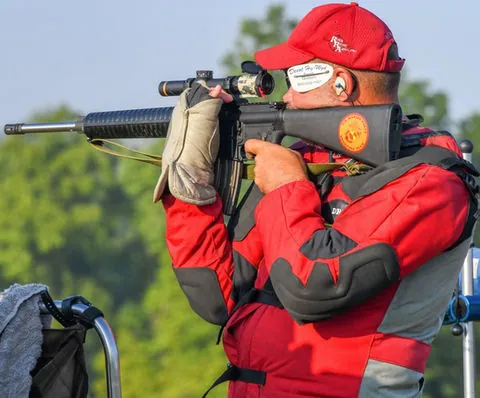
Buyers often encounter trigger-pull numbers while comparing a rifle for competition, practical range use, hunting, or a custom build. Those are not interchangeable situations. A rifle selected for fast movement through a 3-Gun stage does not begin with the same assumptions as a service-rifle build that must meet a current rulebook, or a general-purpose rifle that will be carried, transported, and handled in different environments.
For a competition rifle, the match format can shape the answer. The 2026 CMP Highpower Rifle rules include trigger requirements for specific rifle categories and state that competitors are responsible for ensuring their firearms meet applicable requirements. Rules can change, and a match program may add its own conditions, so the current documents should guide the build before a component is ordered.
For a general-purpose or tactical rifle, a buyer should prioritize a complete configuration that is designed to operate reliably and suits how the rifle will actually be used. The trigger is part of that choice, not an isolated upgrade. If the current rifle works correctly, an owner should have a clear, role-based reason for changing it rather than reacting to a specification that looked appealing in a comparison chart.
What a pull-weight number cannot solve
A stated pull weight cannot diagnose a function issue. If a rifle feels different than expected, has been changed previously, or is not operating as intended, buying a trigger with a lighter or heavier number is not a diagnosis. The cause may be unrelated to trigger pull weight, and a generic recommendation can create a second problem instead of addressing the first.
It also cannot make unsafe handling acceptable. The National Shooting Sports Foundation's firearm safety rules emphasize keeping firearms unloaded when not in use, checking the chamber and action, maintaining a safe direction, and keeping fingers away from the trigger until ready to shoot. Those habits matter regardless of a trigger's advertised feel or pull weight.
Finally, a pull-weight number is not a substitute for confidence in the complete system. Compatibility, reliable ignition, the condition of the parts, the rifle maker's guidance, and competent safety checks are all more important than pursuing a number in isolation. When the rifle already has a trigger that functions correctly for its purpose, leaving a sound configuration alone can be the smarter choice.
How to compare complete rifle listings
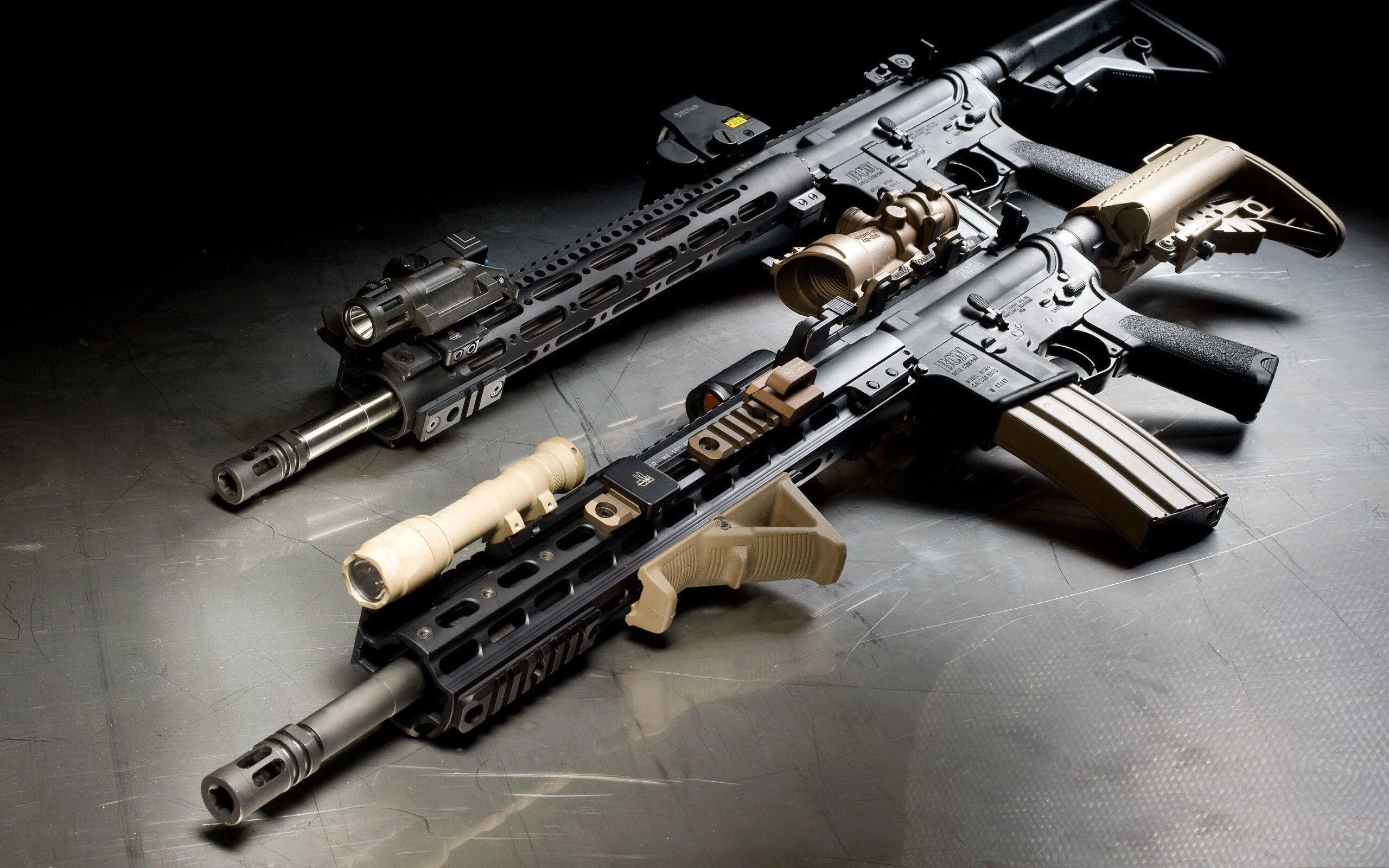
When a shopper compares two finished rifles, it helps to put the trigger specification in the right order. Start with purpose, then compare the specifications that define how the rifle is built around that purpose. A clear product listing gives the buyer more confidence than a list of fashionable parts with no explanation of how they work together.
- Start with the job: Identify whether the rifle is meant for a defined competition, broad range use, hunting, or another specific role.
- Read the whole operating package: Compare the barrel, chamber, gas-system information, stock, sighting plan, and other stated components before isolating the trigger.
- Look for the trigger type and maker guidance: Confirm whether the listing states a single-stage or two-stage design and whether the maker specifies compatibility or intended use.
- Check current rules when they apply: A trigger that feels appealing can still be the wrong choice for a particular match category.
- Keep safety and support in view: If a change is under consideration, use the firearm and component makers' instructions and involve a qualified gunsmith for work and function checks.
This process keeps the buyer from overvaluing one number. It also leads to better questions when talking with a builder: What will the rifle be used for? What ammunition, distance, sights, and handling characteristics matter? Does a competition rulebook apply? Those answers give a professional the context needed to recommend a coherent rifle.
What to discuss with a gunsmith or builder
A good consultation begins with the existing rifle or the intended build, not with a demand for a particular pull weight. For an owned rifle, bring the exact make and model, any available information about its original configuration, and a clear description of the result you want. It is also useful to explain whether the rifle has changed hands, has had prior work, or has a known match, hunting, or range role. That lets the professional decide whether the current configuration should be preserved, inspected, or compared against a purpose-built alternative.
For a new rifle, explain the discipline or practical use first. Note the normal shooting distance, ammunition plan, preferred sights or optic, desired handling, and any competition rulebook that applies. A builder can use those details to consider the entire package, including barrel, chamber, stock, operating system, and trigger design. The goal is not to build around a single number. It is to select components that make sense together and give the owner a rifle whose purpose is clear.
When there is a function concern, describe the symptoms rather than self-diagnosing the solution. A qualified gunsmith can inspect the actual firearm, evaluate safe function, and determine whether trigger work is relevant at all. That protects a sound rifle from unnecessary changes and helps ensure that a genuine problem is not masked by an unrelated replacement part.
Pull weight and practical accuracy
A clean, predictable trigger can help a shooter apply good fundamentals, but it does not create practical accuracy on its own. The barrel, chamber, ammunition, optic or sights, support, and the shooter's preparation still matter. A trigger chosen without the rest of the system in mind can distract from the parts of the rifle that actually need attention.
DRD's AR-15 twist-rate guide makes a related point about barrel specifications. A 1:7, 1:8, or 1:9 marking is useful only when paired with the ammunition and role of the rifle. Pull weight works the same way. It can inform a decision, but it cannot replace a complete plan or range verification.
The best outcome is a rifle that is safe, reliable, and clear in its purpose. That may mean a buyer values a two-stage feel for a particular precision or competition role, prefers another sound configuration for broad-use shooting, or decides that the existing trigger already serves the rifle well. The answer should come from the intended use, not a race toward the lowest advertised number.
How DRD helps narrow the choice
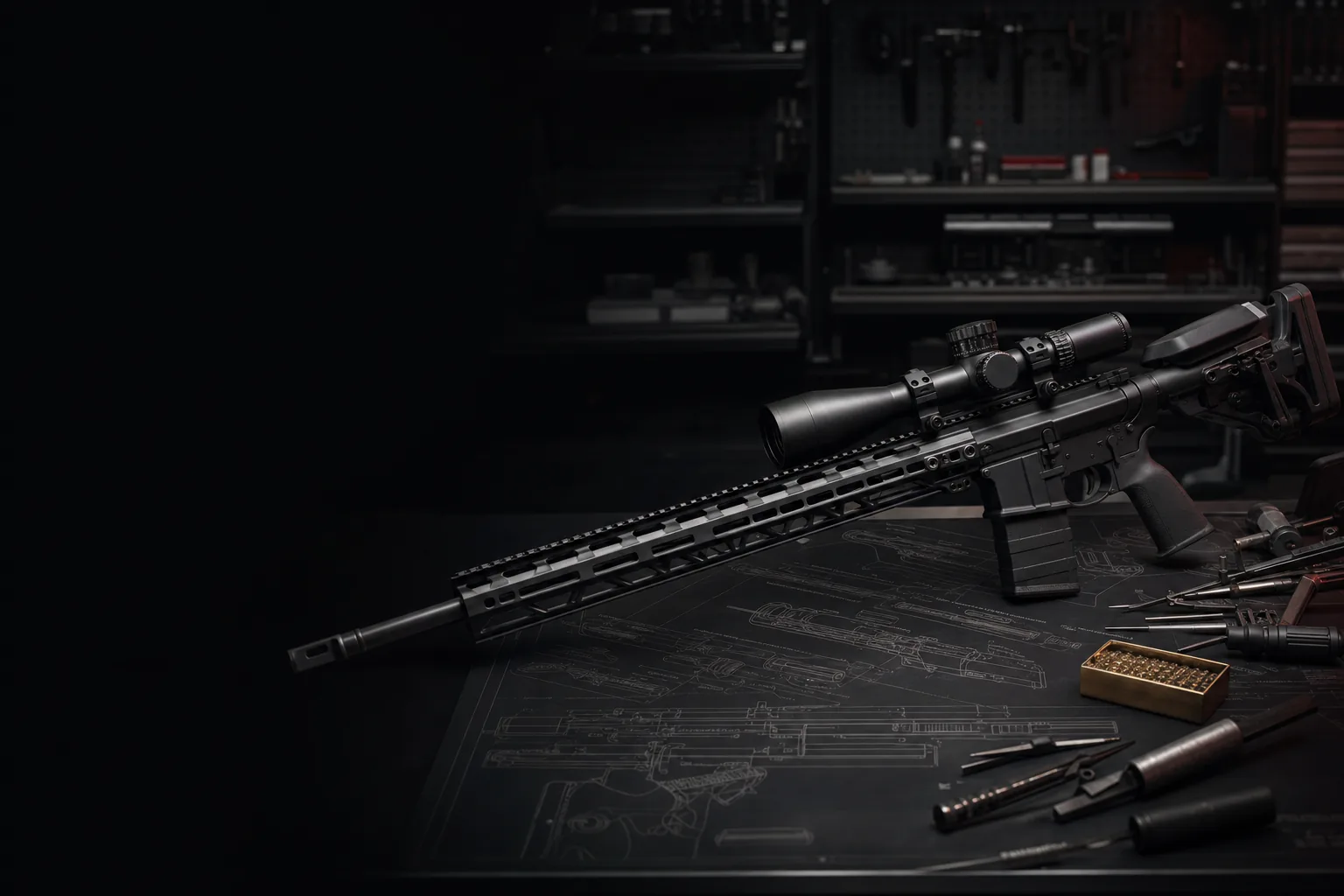
DRD builds and sells rifles with different roles, which makes it easier to see why the trigger should never be judged alone. The DRD-15 3-Gun Rifle includes a two-stage TriggerTech adaptable trigger inside a competition-focused configuration that also specifies the barrel, gas system, stock, handguard, and operating parts. The point is not to transplant one component into every AR-15. It is to understand how a purposeful rifle is assembled as a system.
DRD's CQT-15 and National Match AR-15 options show different starting points for buyers with different shooting plans. For a new build, the most useful details to bring are the intended use, expected distance, normal ammunition, sighting plan, handling priorities, and any match rules. The custom-build contact page is the right place to start that conversation.
Bottom line
AR-15 trigger pull weight is a useful specification, but it is not a universal ranking. A lower number does not automatically mean a better rifle, and a stage count does not settle the decision. The right trigger supports a complete configuration that matches the rifle's real job, the shooter's handling needs, current rules when they apply, and the maker's compatibility guidance.
Use pull weight to ask better questions. Then compare the whole rifle, follow the product manufacturer's instructions, and involve a qualified gunsmith whenever trigger work or safety checks are needed. A well-considered configuration is more valuable than a number chosen in isolation.
Frequently asked questions
What is AR-15 trigger pull weight?
Trigger pull weight is the amount of force needed to move the trigger through its intended action and release the shot. It is only one part of the trigger's feel. Stage design, travel, break, reset, the rifle's purpose, and the shooter's handling all matter too.
Is a lighter AR-15 trigger always better?
No. A lighter pull is not automatically safer, faster, or more accurate. The right choice depends on the complete rifle and the job it is expected to do. A trigger should be selected around a clear role and installed or evaluated by a qualified professional when work is needed.
What is the difference between a single-stage and two-stage AR-15 trigger?
A single-stage trigger moves through one continuous pull before the break. A two-stage trigger has an initial take-up followed by a defined second stage. Neither style is automatically better. The practical choice depends on the rifle's purpose, the shooter's preference, and the maker's compatibility guidance.
Can I change the trigger pull weight on my AR-15?
Any work on a firearm's trigger system should be approached carefully. Follow the trigger and rifle manufacturers' instructions, keep the firearm unloaded and pointed in a safe direction, and use a competent gunsmith when you do not have the required experience and equipment. A professional should perform the necessary function and safety checks.
Do competition rules limit trigger pull weight?
They can. Match rules differ by discipline and can change. CMP Highpower rules include trigger requirements for certain rifle categories, so competitors should check the current rulebook and their match program before choosing or changing a trigger.
Related posts
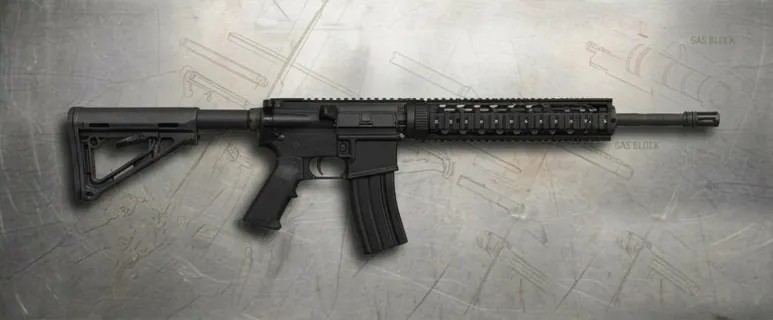
AR-15 Barrel Length: 16 vs. 18 vs. 20 Inches
Compare 16-, 18-, and 20-inch AR-15 barrel lengths for handling, balance, velocity, and match use before choosing a rifle.
Read the guide
AR-15 Twist Rate Chart: 1:7 vs. 1:8 vs. 1:9
AR-15 1:7, 1:8, and 1:9 twist-rate chart: see what each rate means and how ammunition, bullet length, and rifle use shape the choice.
Read the guideAR-15 Buffer Weight Chart: Standard, H, H2, and H3
AR-15 buffer weight chart: standard 3.0 oz., H 3.8 oz., H2 4.7 oz., and H3 5.4 oz. Understand the labels before changing parts.
Read the guide