Course Of Fire
Distances, positions, sighting needs, and the pace of the event should guide the whole setup.

DRD National Match AR-15 service rifles are built around high-power competition, the course of fire, and the fit that helps a serious shooter work with confidence.
A National Match rifle should answer the demands of a real event. Before selecting a barrel, stock, handguard, trigger, or sighting system, start with the match format, distances, positions, and current equipment requirements.
That order keeps the rifle purposeful. A component can be excellent on its own and still be a poor fit for the build if it works against the balance, sight picture, or rules that matter on the line. DRD starts with the work the rifle needs to do, then shapes the system around it.
Distances, positions, sighting needs, and the pace of the event should guide the whole setup.
Stock, trigger, handguard, and overall balance need to support repeatable positions and control.
Current match rules are the final check before treating any configuration as the right answer.
These rifles share a competition-first foundation, with differences that matter when you are refining the build around your event and preferences.
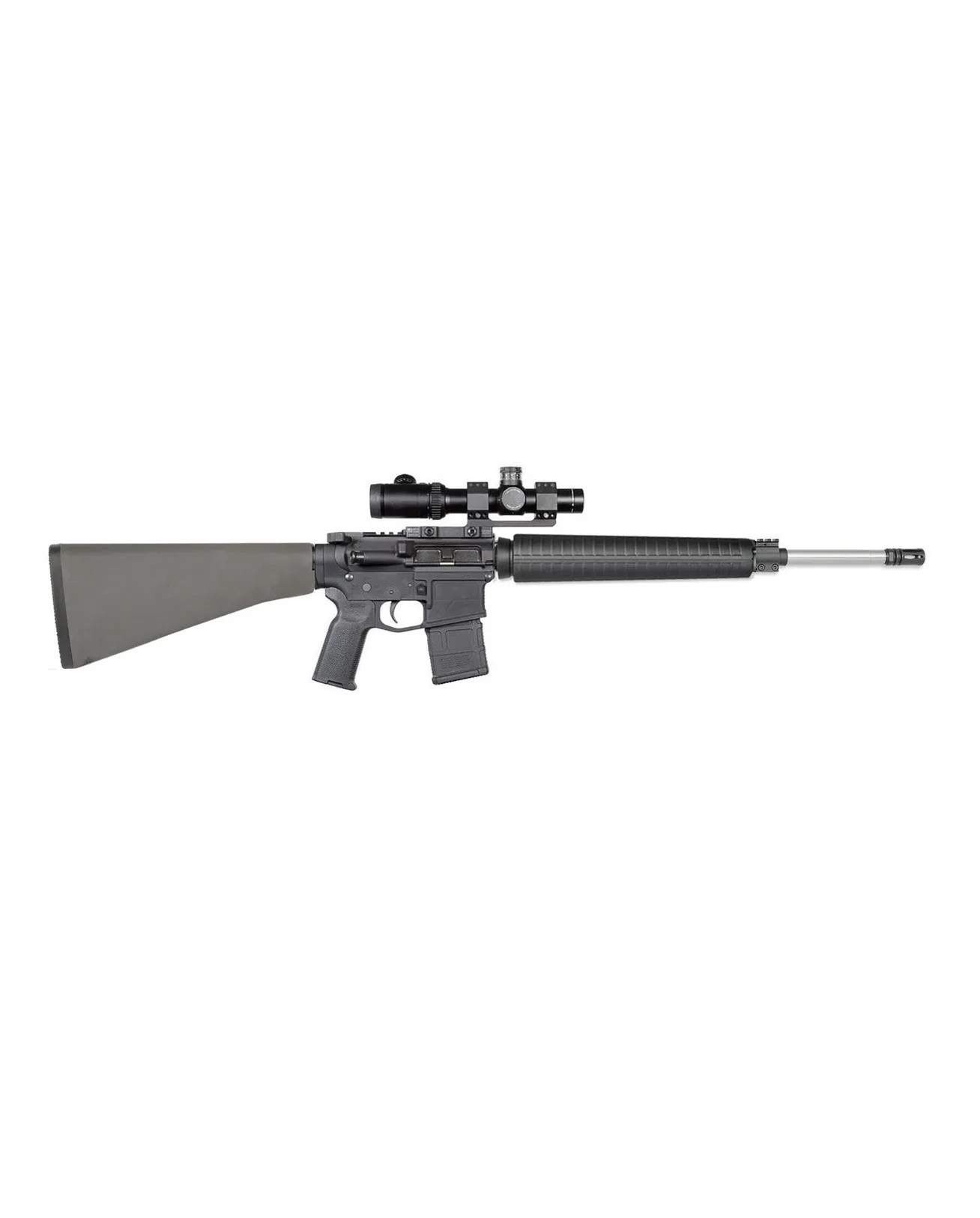
The DRD NATIONAL MATCH COMPETITION AR-15 SERVICE RIFLE is engineered for competitive shooters demanding exceptional performance. This service rifle...
$1,770.00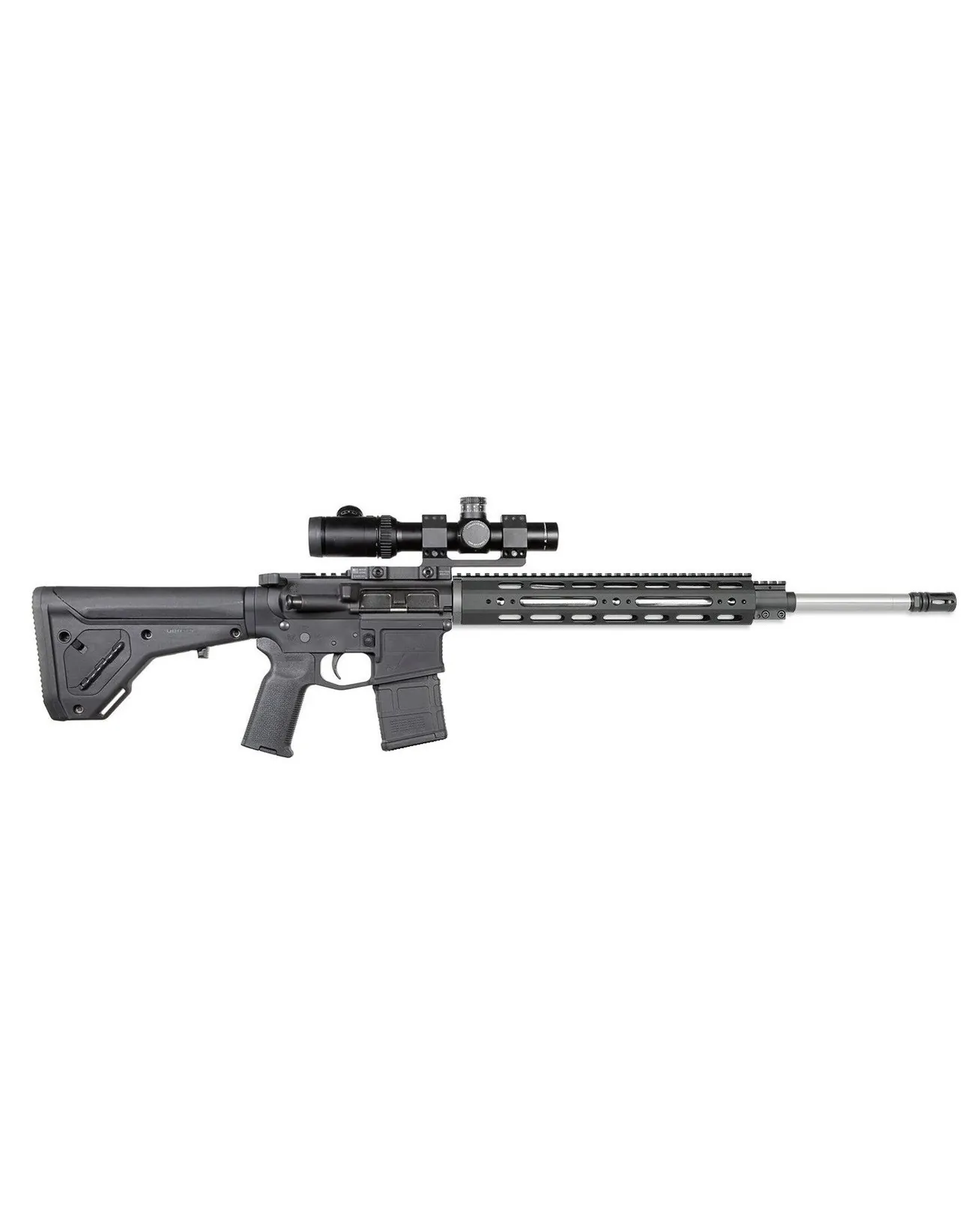
The DRD NATIONAL MATCH COMPETITION AR-15 SERVICE RIFLE is engineered for competitive shooters demanding exceptional performance. This service rifle...
$1,672.00The DRD NATIONAL MATCH COMPETITION AR-15 SERVICE RIFLE is engineered for competitive shooters demanding exceptional performance. This service rifle...
$1,926.00The best way to avoid an expensive mismatch is to arrive with a clear picture of how you plan to use the rifle. A few specific answers are more useful than a long wish list of parts.
A full-size rifle format can make sense when the match and the shooter call for a deliberate, steady setup.
Chamber choice belongs alongside ammunition planning and the intended competition role, not apart from it.
A predictable trigger can support repeatable work when it is selected as part of a complete, well-fitted rifle.
A match rifle earns its place through the way each decision supports the next one. The goal is a coherent system, not the longest specification list.
A National Match build often begins with the barrel because it influences the rifle's balance, the chamber conversation, and the ammunition plan. DRD's current National Match configurations use 20-inch .223 Wylde barrels with 1:7 twist rates. That provides a real starting point for a high-power-oriented build, but the right choice still depends on the load you plan to shoot, the distances you expect to cover, and the rules of the event.
The useful question is not whether one chamber or twist rate has a better reputation online. It is whether the barrel, the load, and the match format make sense together. A shooter who knows the bullet and load they want to test gives the builder a much better place to begin than a shopper trying to choose the rifle from a single number.
A steady position depends on more than mechanical accuracy. Stock length, cheek position, grip, trigger reach, hand placement, and front-end balance all affect how consistently a rifle settles when the shooter builds a position. Those details are personal. The right setup should give the shooter a repeatable reference point, not force a different position every time the rifle comes up.
A two-stage trigger can be a sensible part of a competition configuration when its pull and break work for the individual shooter. The same is true of the handguard, stock, and sighting plan. A part that looks appealing in isolation may not help if it makes the rifle harder to hold, changes the balance in position, or adds complexity without a useful purpose.
DRD's National Match rifles are configured around that discipline-first approach. The builder can help sort through options, but the shooter should bring the context only they can provide: previous rifle experience, preferred positions, the match they intend to enter, and the way they want the rifle to behave over a full day on the line.
Competition rules, event programs, and personal equipment plans can change. Before committing to a complete rifle, verify the current requirements for the event and make sure the configuration, sighting system, and intended changes all point toward the same goal. That final check helps prevent a rifle from becoming a compromise before it reaches the range.
DRD owner Dan Duitsman brings more than 25 years of competitive shooting experience to the bench, including CMP and NRA National High Power Rifle matches, Inter-Service championships, and a Distinguished Rifleman designation earned in 2001.
That experience matters because a service-rifle build is not just a collection of match-grade parts. It has to settle naturally in position, give the shooter a usable sight picture, work with the ammunition plan, and remain understandable to the person who will train and compete with it. DRD helps shooters evaluate the complete system before the order is final.
For current program requirements, consult the CMP rulebook library and the NRA rulebook library. Those are the right references for an event-specific decision. DRD can then help turn that information into a rifle plan that makes sense for you.
Build decisions come from time behind the rifle, not just a catalog of components.
Barrel, handguard, stock, trigger, and sighting plan are selected to support the same job.
Start with the match and the way you shoot, then refine the rifle from there.
A National Match rifle is shaped around a defined competition job. Barrel, chamber, handguard, stock, trigger, sights or optic plan, balance, and fit are selected to work together for the course of fire rather than as unrelated upgrades.
Yes. The useful starting point is the match you plan to shoot, your preferred sighting arrangement, how the rifle needs to balance, the ammunition you expect to use, and the parts you already know you prefer. DRD can help compare the available starting points around those details.
Every event has its own current rulebook and program. A DRD National Match configuration is built around high-power competition, but the shooter should confirm the current rules for the specific event before ordering or changing a rifle.
A 20-inch, 1:7 twist configuration is a familiar starting point for many full-size match rifles. It should still be evaluated as part of the complete setup, including the chamber, sights, ammunition plan, match requirements, and the way the rifle fits the shooter.
Complete firearms ship to an eligible FFL dealer, where the buyer completes the required transfer process. DRD can also discuss local pickup for Fredericksburg-area buyers after the required paperwork.
DRD works through the intended use, parts, legal transfer path, and realistic build timing before the rifle is built.
Fredericksburg-area pickup can be scheduled by appointment after required paperwork.