
The best sling for an AR-15 is the one that makes the rifle easier to retain, carry, and manage for its real purpose. That usually points a general-purpose owner toward an adjustable two-point sling, but the product name comes after the more important questions. How heavy is the rifle? How long will it be carried? Where are the attachment points? Will it be used for a defined competition, a day in the field, a training course, or simply moved safely between storage and the range? A sling is not decoration. It is part of the complete system.
The short answer
An adjustable two-point sling is usually the best starting point for an AR-15 because it can support practical carry, hands-free retention, and controlled movement without forcing the rifle into one narrow use. A single-point sling can be useful in a more specialized setup, but it asks the owner to accept different movement, comfort, and control tradeoffs. A padded two-point sling may be worth considering for a heavier rifle or longer carry, while a simple webbing sling can be entirely appropriate for a lighter setup.
The best choice is not determined by one feature, one attachment style, or another person's preferred build. Start with the rifle's job, then confirm that the sling, attachment hardware, stock, handguard, clothing, and carry method work together. The result should feel secure and predictable, not improvised or awkward.
Start with the rifle's actual role
Before comparing a two-point and a single-point sling, define what the rifle is expected to do when it is not being actively fired. A sling has to solve that practical moment. It may need to keep a rifle close while the owner opens a gate, handles range gear, changes position during an event, or simply carries the rifle from one place to another. The right answer is different for a light competition rifle, a field-oriented configuration, and a heavier precision setup.
Weight changes the conversation quickly. A compact rifle with a restrained optic and a light accessory package may remain comfortable with a plain webbing sling. A rifle with a larger optic, bipod, heavier barrel profile, and a full hard case may benefit from a wider or padded shoulder section when it will be carried for a meaningful distance. There is no universal threshold because comfort is personal, but ignoring weight is how a good sling gets mistaken for a bad one.
Use the same role-first thinking that applies to an optic or barrel. DRD's guide to the best scope for an AR-15 explains why an accessory should reinforce the rifle's job rather than become a disconnected purchase. The sling decision deserves the same discipline. A rifle that feels coherent in the shop can become frustrating when its carry equipment has no relationship to the rest of the build.
Two-point vs. single-point sling
The most useful comparison is not about which sling is more serious. It is about how the rifle is supported when the owner's hands are doing something else. A two-point sling connects at two locations, typically toward the front and rear of the rifle. A single-point sling connects near the rear. Both can be built well. They simply ask different things of the person carrying the rifle.
| Sling style | What it can emphasize | A buyer may prefer it for | What still needs checking |
|---|---|---|---|
| Adjustable two-point | Versatile carry, retention, and the ability to change the rifle's position on the body. | A general-purpose rifle, longer carry, field use, or a setup that needs to stay controlled while hands are free. | Adjustment range, webbing width, padding, front and rear attachment points, and whether the controls can be used comfortably. |
| Single-point | A compact connection near the rear of the rifle and a narrow, role-specific feel. | Owners who have a clear reason for that movement pattern and have tried the setup in a controlled environment. | How the rifle moves when released, comfort over time, interference with other gear, and whether the application truly benefits from the design. |
| Padded two-point | More shoulder comfort while retaining the basic benefits of a two-point arrangement. | Heavier configurations or rifles carried over longer periods. | Added bulk, adjustment range, weather resistance, and whether the padding fits the actual carry position. |
For many owners, the two-point design is more forgiving because it helps keep the rifle closer to the body and can be adjusted for the situation. That does not make it a magic answer. Poor placement, loose hardware, a strap that is too long, or a sling with controls that the user cannot reach comfortably can spoil the benefit. The design gives the owner more options, but the complete setup still has to be evaluated.
A single-point sling should be selected for a specific reason, not because it looks compact. With only a rear connection, the rifle may move differently when released, and that movement can be uncomfortable or poorly controlled for some body types, clothing, and equipment. A buyer who has a narrow application and knows why that behavior works for them may choose one deliberately. A buyer looking for broad versatility should usually evaluate an adjustable two-point sling first.
Why adjustability matters
A sling is rarely used at one fixed length. The useful range changes when the owner wears a heavier jacket, carries a bag, moves between standing and seated positions, or needs to secure the rifle more closely to the body. That is why a practical adjustment system matters more than a long list of marketing features. It should be easy to locate, easy to use, and resistant to slipping once set.
The Magpul MS1 sling is one familiar example of an adjustable two-point platform. It is not the only suitable choice, and this is not a claim that every AR-15 needs that specific model. It is a useful example of the category: a sling built around changing length as the carry situation changes. Compare that capability with the rifle's attachment points and the owner's expected use before selecting a particular product.
Adjustment is also where assumptions can become expensive. A sling that works over a light shirt may feel too short over cold-weather clothing. A padded shoulder section may be comfortable under one carry position and bunch under another. The only honest way to assess that fit is to handle the unloaded, safely cleared rifle in the conditions that resemble normal use, then make sure the controls remain reachable and the attachment hardware stays secure.
Attachment points come before the sling
Every sling needs a reliable front and rear connection. Before buying hardware, identify what the rifle already has. Some stocks have a quick-detach socket. Some handguards accept compatible mounts. Some rifles use traditional loops or fixed points. Those details decide what hardware is appropriate and whether the sling can be attached without forcing a solution that does not fit the rifle.
Quick-detach hardware can be convenient when the rifle and accessories are designed for it, but convenience is not the same as a requirement. A secure fixed loop can be entirely suitable. The problem is not one attachment style versus another. The problem is buying a sling first and then trying to make it fit with whatever adapters happen to be available. That approach can introduce extra bulk, awkward angles, loose movement, or a connection the owner does not trust.
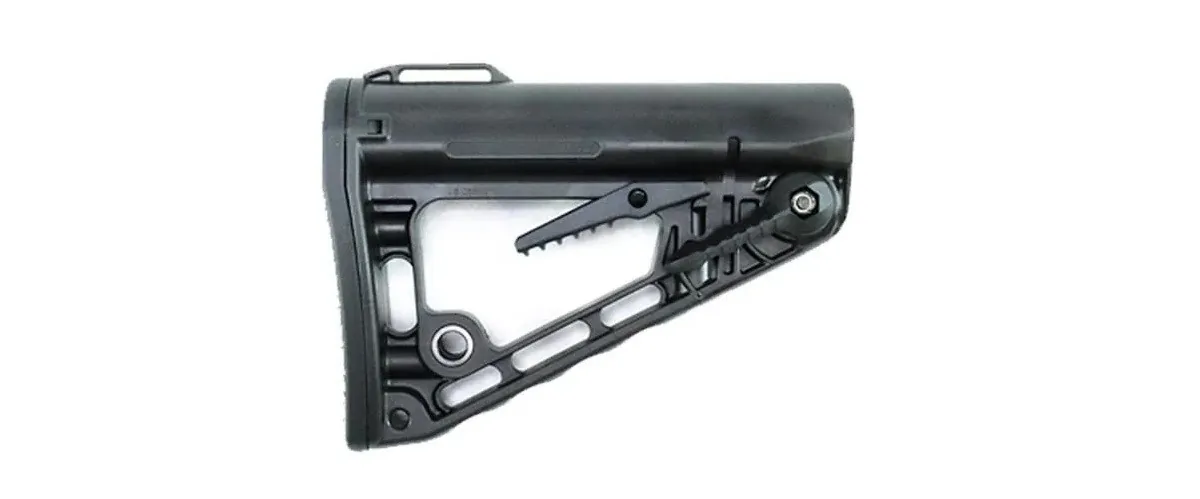
DRD's Rogers Super-Stoc is an example of a stock with a quick-detach sling swivel port listed in its product details. That gives a buyer a concrete point to evaluate, but the rear of the rifle is only half the system. The front connection must also be compatible, positioned sensibly, and checked as part of the whole setup. There is no benefit in a premium rear socket if the front connection is improvised or placed where it makes the rifle difficult to carry.
Attachment placement deserves as much attention as attachment type. A front point placed too far forward, too far back, or too close to a hand position can change how the rifle hangs and how readily it moves. A rear point can affect comfort against the shoulder and the way the sling interacts with a stock. These are fit questions, not details to skip. A builder or qualified professional can help assess the configuration when the owner is unsure.
Padding, width, and material
Padding is about comfort, not status. The more weight that rests on the shoulder and the longer it stays there, the more a padded section may make sense. A heavier precision rifle or a field rifle carried for a long walk can create a different comfort problem than a short, light competition configuration. A padded sling can spread pressure more comfortably, but it also adds material and can be less appealing to someone who wants the simplest possible setup.
Webbing width matters for the same reason. Narrow webbing can feel compact and unobtrusive, while a wider section can distribute pressure differently. Neither is automatically better. The owner should think about weight, clothing, weather, and how the rifle will actually be carried. A sling is successful when it can be worn without becoming the most annoying part of the setup.
Material and hardware should be evaluated for durability and predictable use. Look for webbing that resists unnecessary fraying, adjustment hardware that does not slip unexpectedly, and attachment components intended for the connection style being used. The goal is not to add hardware for its own sake. It is to avoid a weak point between the rifle and the person responsible for it.
Fit the sling to the complete rifle
The sling changes how the rifle carries, but the rifle changes how the sling feels. A longer handguard, a large optic, a bipod, a stock with a broad cheek weld, or a hard-use case can all influence the practical carry plan. That is why a sling should be considered after the core configuration is understood, not as an unrelated checkout add-on.
A compact field-oriented rifle might favor a straightforward two-point setup that keeps the rifle close without adding unnecessary bulk. A competition rifle may need a sling that aligns with the rules of the event and does not interfere with the positions the competitor uses. A larger precision configuration may place more value on comfort during transport and movement. These are not claims that one rifle category must use one type of sling. They are reminders that the role changes the tradeoffs.
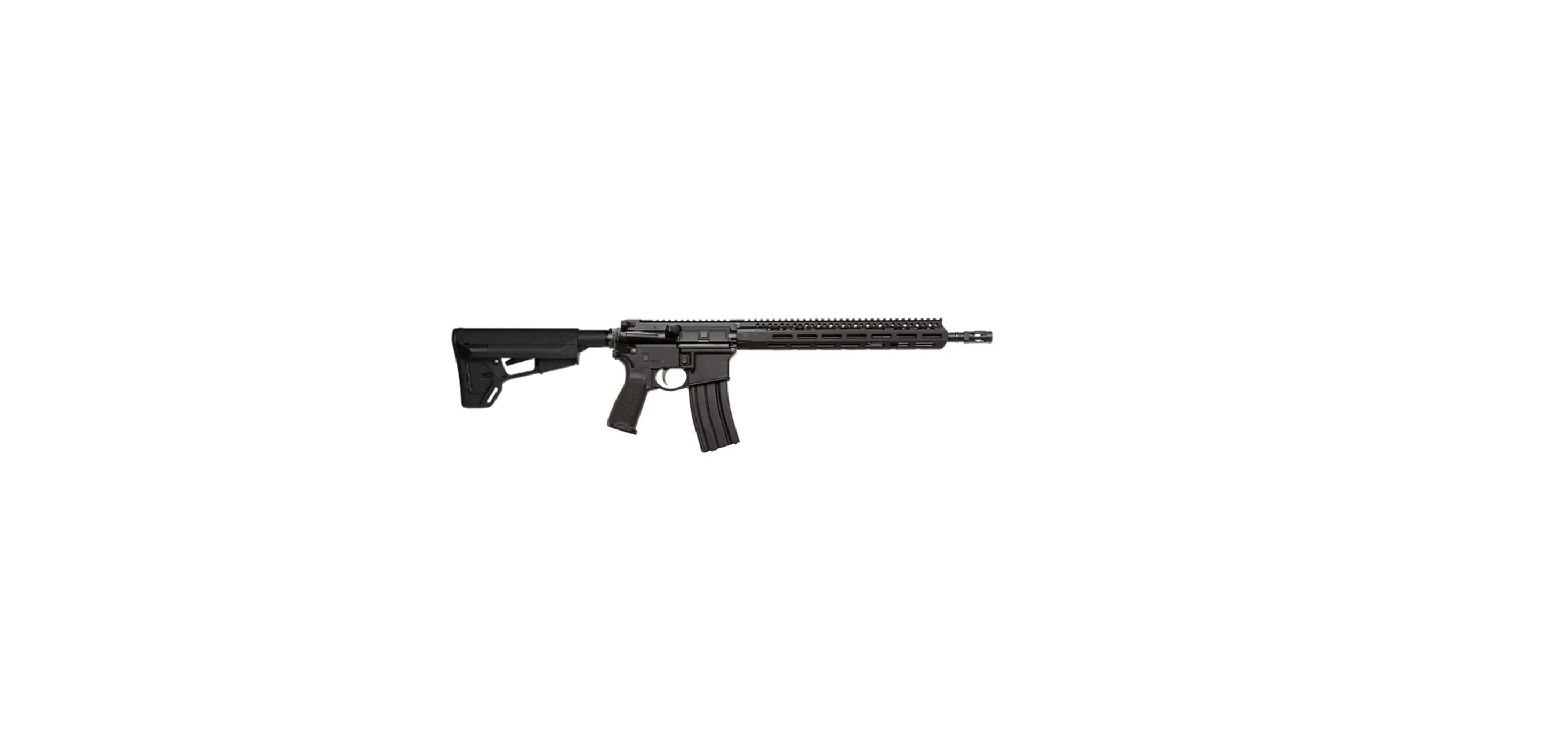
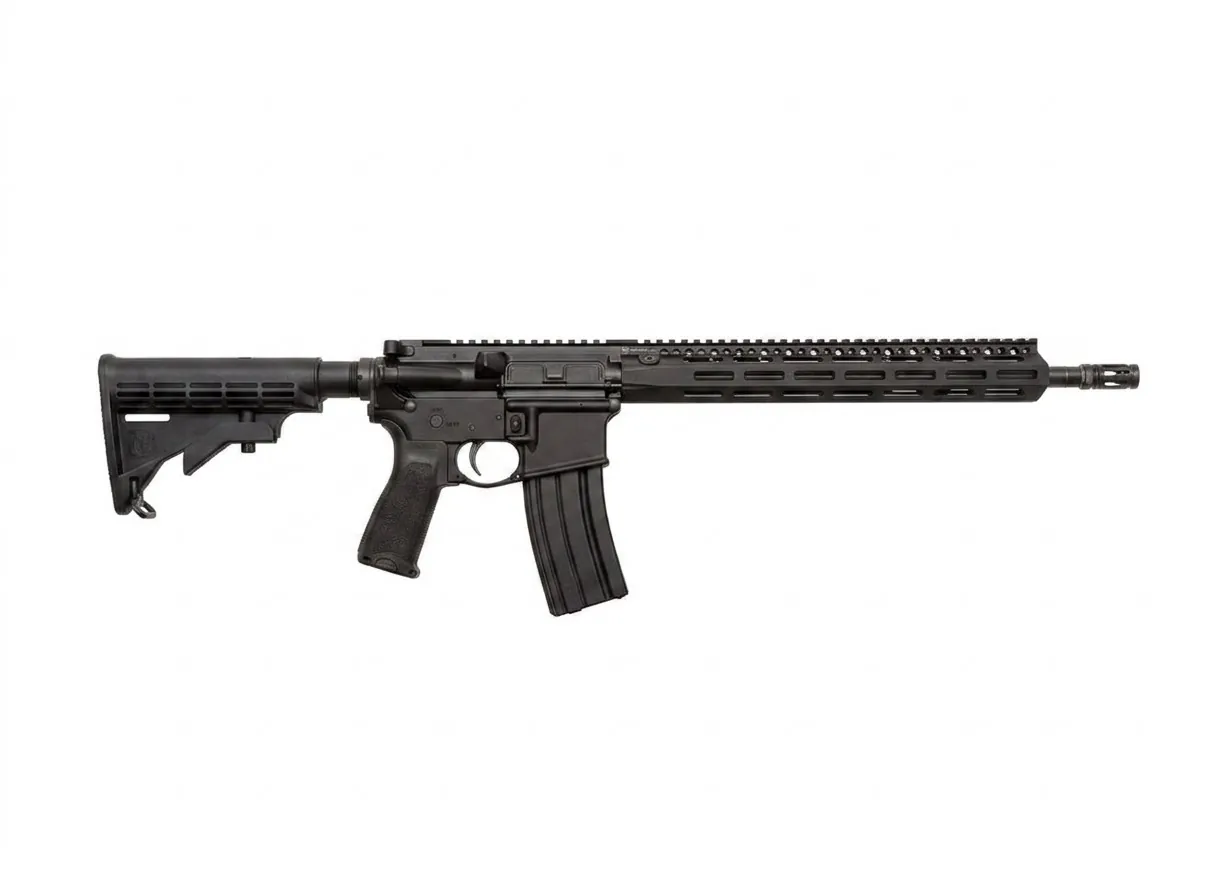
DRD's DRD-15 Prepper Rifle illustrates the value of starting with the actual configuration. Its listed 16-inch setup and 12-inch M-LOK handguard give a buyer specific details to discuss when considering the front attachment point and carry plan. A sling should help that configuration stay manageable. It should not add an adapter stack or a strap position that gets in the way of the rifle's normal handling.
Transport, retention, and shooting are separate needs
It is easy to ask a sling to do every job around a rifle. That usually leads to confusion because transport, retention, and shooting support are separate needs. A hard case protects a rifle during travel and storage. A sling helps the owner carry and retain the rifle while it is out of the case. A shooting support, such as a rest or bipod where appropriate, addresses a different question altogether. One piece of equipment should not be treated as a substitute for the others.
This distinction matters because buyers sometimes choose a bulky sling to compensate for a poorly planned transport setup, or they add a support strap expecting it to solve long-distance carry comfort. Start with the proper case for travel, a sling that fits the expected carry and retention role, and the relevant support equipment for the rifle's intended use. Each choice becomes simpler once it is given a clear job.
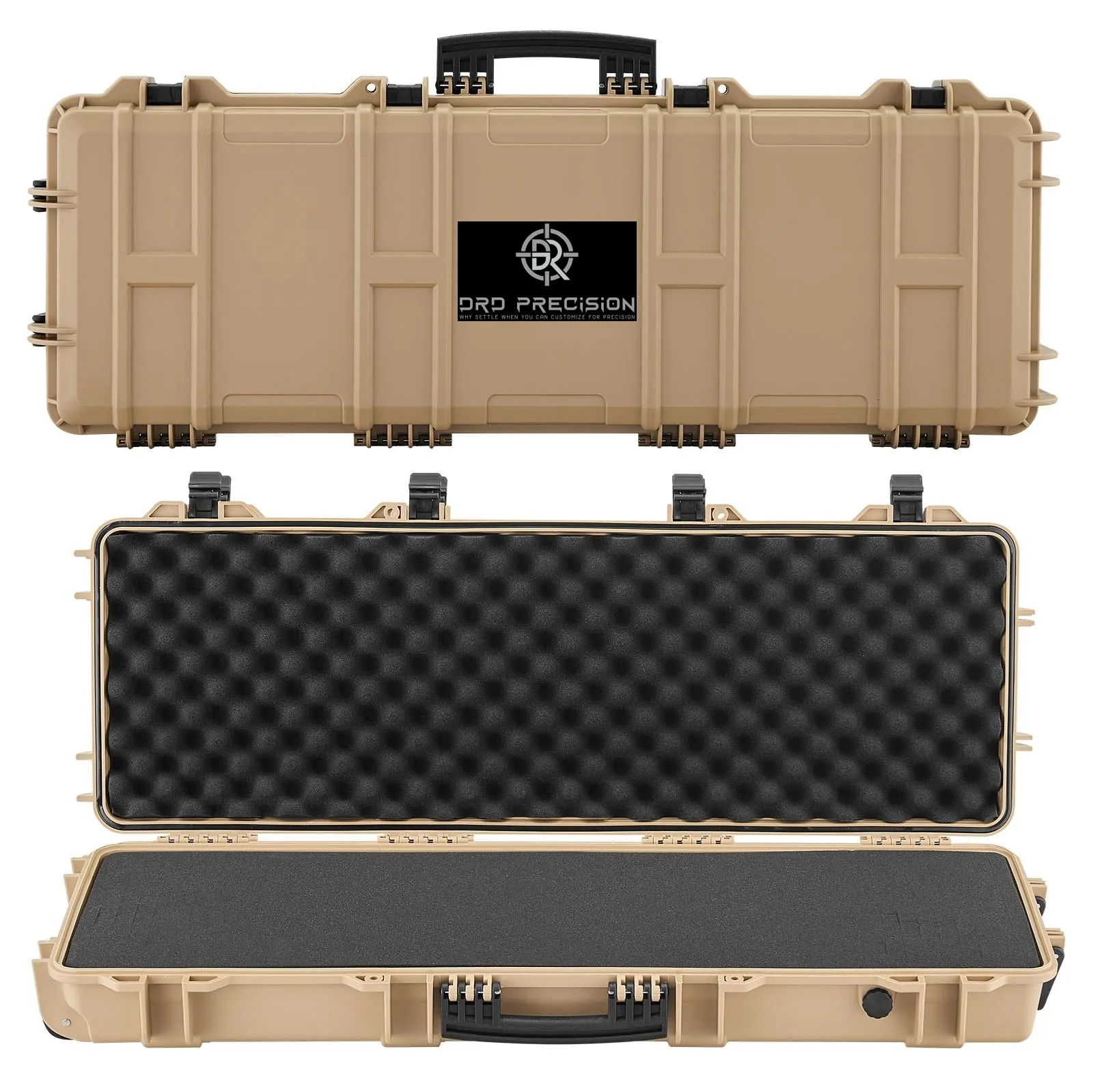
DRD's rifle packages and product listings make the complete-system approach easier to apply. When a configuration includes a hard case, optic, stock, and other selected components, the sling should be evaluated in that same context. Ask whether the rifle will be moved mostly from vehicle to range bench, carried over uneven ground, transported to a match, or used in a mix of those settings. Those answers matter more than whether a strap has the longest feature list.
Common sling-buying mistakes
The most common sling mistake is treating attachment hardware as an afterthought. An owner sees a well-reviewed strap, buys it immediately, and then discovers the rifle needs extra parts, the connection points do not align well, or the completed setup hangs awkwardly. The better sequence is to inspect the rifle first, identify the front and rear points, and choose the sling and hardware as one compatible group.
Another mistake is choosing a sling based entirely on a photo or a recommendation from a different kind of rifle. A light, short configuration with a simple optic may carry very differently from a longer rifle with a heavy scope and a full complement of gear. A friend can honestly like a sling while it remains the wrong fit for another owner. Recommendation is a starting point, not a replacement for role and fit.
Buyers also sometimes assume that more adjustment, more padding, and more mounting hardware must be better. Those features can be useful when they solve an identified problem. They can also add bulk and complexity to a rifle that would have been better served by a simpler setup. A practical sling should be easy to understand and use consistently. If its controls, clips, and adapters create more questions than they answer, it is probably not the right first choice.
Finally, do not ignore the condition of the equipment after it has been used. Webbing, stitching, swivels, buckles, and attachment points all deserve a regular visual check. A sling is a load-bearing piece of equipment. Keeping it clean, dry, and free from obvious wear is basic ownership, not extra fussing.
How to evaluate fit responsibly
Fit should be evaluated with the rifle unloaded, safely cleared, and pointed in a safe direction. The goal is not to rehearse a tactical routine. It is to make sure the sling carries the rifle securely and comfortably through ordinary, responsible movement. Wear the clothing and outer layers that resemble normal use, then check whether the strap sits comfortably on the shoulder, whether the adjustment hardware is reachable, and whether the rifle stays controlled when the hands are not actively holding it.
Pay attention to where the rifle rests. A setup that hangs too low may be cumbersome during normal movement. One held too tightly may be uncomfortable or difficult to manage. The right amount of adjustment depends on the individual, the rifle's weight, and the expected role. There is no meaningful universal measurement because torso length, outerwear, and attachment placement all change the result.
When the owner is uncertain about compatibility or placement, a qualified professional is the right resource. That is particularly true when the rifle needs a mount added, when the existing stock or handguard has limited attachment options, or when a competition rulebook affects the configuration. Getting the fit checked before relying on the equipment costs less than working backward from an uncomfortable or insecure setup.
Competition and field use have different questions
A sling used in a competition setting should be evaluated against the current rulebook, the event format, and the positions the shooter expects to use. Rules can differ by discipline and change over time, so an old forum answer is not a substitute for the governing program. The CMP rulebook library is a useful starting point for competitors who need to confirm the current requirements of a specific CMP discipline.
For field use, the more practical questions are comfort, secure carry, weather, terrain, and how the rifle will be transported. A sling does not replace a proper case, safe storage, or safe handling practices. It complements them by making the rifle easier to control while it is being carried. The NRA's gun safety rules remain the baseline: handle every firearm responsibly, keep the muzzle pointed in a safe direction, keep the finger off the trigger until ready to shoot, and be sure of the target and what is beyond it.
The common thread is context. A sling that is useful for one course of fire, one terrain type, or one carry duration may not be the most comfortable choice for another. A buyer gets better results by naming the actual use case and then testing the fit, rather than expecting a popular model to solve every situation equally well.
Questions to ask before buying
These questions keep a sling purchase tied to a real need:
- What is this rifle used for most often? Let the normal use guide the sling style, not the rarest imagined scenario.
- How much weight will I carry? Include the optic, accessories, and any configuration choices that change shoulder comfort.
- Where are the front and rear attachment points? Confirm what is actually on the rifle before choosing hardware.
- Do I need an adjustment system? Consider clothing, carry duration, movement, and whether the rifle needs to be secured closer to the body.
- Does a padded shoulder section solve a real comfort problem? Extra material is useful only when it makes the rifle easier to carry.
- Do competition rules apply? Check the current rulebook for the actual event before buying around a remembered requirement.
- Can I inspect the complete setup safely? Confirm fit and secure attachment with an unloaded, safely cleared rifle before relying on the sling.
How DRD helps build a sling-ready setup
DRD is most useful when the sling conversation starts with the complete rifle. The company can help a buyer look at the stock, handguard, intended use, existing accessories, and the attachment points already present before more hardware is added. That helps prevent the common mistake of buying several adapters and straps only to discover that the original plan did not suit the rifle or the owner.
The DRD accessories selection is a practical place to review stocks, rails, parts, and other components that affect the rifle system. For a new build or an existing configuration, the contact page is the right place to start a conversation about a compatible, purpose-built setup.
Bottom line
The best sling for an AR-15 is usually an adjustable two-point model that matches the rifle's real job, attachment points, weight, and carry needs. A single-point design can make sense for a specific purpose, but it should be selected intentionally rather than treated as a universal upgrade. Padding, width, adjustment hardware, and quick-detach mounts should all answer a real fit or comfort question.
Choose the sling after the rifle's purpose is clear, confirm every connection, and test the complete setup responsibly. That approach produces a rifle that is easier to carry and control, with fewer unnecessary parts and fewer expensive second guesses.
Frequently asked questions
What is the best sling for an AR-15?
For most general-purpose AR-15 owners, an adjustable two-point sling is the strongest place to start because it can support retention, hands-free movement, and controlled carry without committing the rifle to a highly specialized role. The final choice should still fit the rifle, the attachment points, the shooter, and the intended use.
Is a two-point or single-point sling better for an AR-15?
A two-point sling is often the more versatile choice for a general-purpose rifle because it supports comfortable carry and better control when the rifle is not actively in use. A single-point sling can make sense for a narrow role and a shooter who understands its movement and comfort tradeoffs. Neither should be chosen without considering the complete setup.
Do I need quick-detach sling mounts?
Quick-detach mounts can make a sling easier to remove or move between compatible rifles, but they are not required for every setup. The important point is to use a secure attachment method that matches the rifle's actual mounting points and is checked regularly. A loose or improvised connection is not a practical shortcut.
Should a sling be padded?
A padded sling can be more comfortable when a rifle will be carried for longer periods, especially with a heavier configuration. A lighter rifle or a shorter carry may not need the extra bulk. Comfort matters because a sling that is unpleasant to use is likely to be removed when it would otherwise be useful.
Can DRD help with sling-ready rifle setup?
Yes. DRD can help buyers think through the rifle's intended use, stock and handguard configuration, current attachment points, and the broader accessory choices that make the setup more coherent. The goal is to select compatible, practical equipment rather than add parts without a clear job.
Related posts
AR-15 Barrel Length: 16 vs. 18 vs. 20 Inches
Compare 16-, 18-, and 20-inch AR-15 barrels for handling, velocity, and competition use before choosing a rifle.
Read the guide
AR-15 Trigger Pull Weight: What It Means
Understand AR-15 trigger pull weight, single-stage and two-stage feel, and why the right choice starts with the rifle's intended role.
Read the guide
Best Scope for an AR-15: A Practical Buying Guide
Compare red dots, low-power variable scopes, and service-rifle optics around distance, shooting role, and the complete AR-15 setup.
Read the guide