
The best scope for an AR-15 is not a universal product name. It is a sighting choice that matches the rifle's job. A compact rifle used at closer distances asks different questions than a National Match configuration used in a defined course of fire. The useful starting point is not a list of the most expensive optics. It is an honest look at the distance, target detail, handling, rifle configuration, and match rules that matter to the shooter.
The short answer
For a broad-use AR-15, a low-power variable optic is often the most practical scope category to compare first. A true or near-true 1x low end can keep the sight picture useful at closer distances, while added magnification can help a shooter see more target detail as distance increases. That does not make it the right answer for every rifle. A red dot can be a better fit for a simple, unmagnified setup, and a purpose-built competition scope can be the better fit when the event and rifle configuration are more specialized.
The decision gets easier when the rifle's role is clear. Start by writing down the usual shooting distance, the kind of target presentation you expect, whether a rulebook applies, and how much weight and bulk you are willing to carry. Then compare the optic's magnification range, reticle, eye relief, adjustment controls, and mounting needs against the complete rifle. A scope cannot make an ill-matched rifle feel coherent, and the right rifle can be made frustrating by a sighting setup chosen from a trend instead of a real use.
Vortex Optics makes the same practical point in its AR optic selection guide: intended distance and purpose should lead the choice. Use that as the frame for any brand comparison. Product features matter, but they only become useful after the shooter has identified what the rifle needs to do.
Start with the rifle's actual job
Before comparing objective-lens diameters or reticle labels, define the rifle's role in a plain sentence. Is it a compact, general-purpose rifle for closer range use? A 3-Gun rifle expected to move between target distances? A National Match or high-power rifle built around a structured course of fire? A hunting rifle where target detail and field conditions may take priority? These are different jobs, so they deserve different optic conversations.
Distance is part of that job, but it is not the whole story. Two shooters may both expect to fire at the same distance while needing different things from the sight picture. One may value rapid acquisition and a lighter rifle. Another may value a more detailed view of a target and a deliberate position. A competition shooter may also need to operate inside a rulebook that narrows the sensible options before personal preference is even considered.
That is why a complete rifle listing is more useful than a bare parts list. The DRD-15 3-Gun Rifle is built around a quick-handling 16-inch configuration, while DRD's National Match AR-15 options reflect a more specialized competition format. The scope should reinforce that purpose. It should not be selected as a disconnected accessory after every other decision has already been made.
Red dot, low-power variable, or competition scope?
Most AR-15 optic comparisons become clearer when the choices are placed into broad categories. These categories are not quality rankings. They are ways of thinking about the sight picture and the job each optic is designed to support. Exact specifications always vary by product, so the manufacturer's current information should control a final purchase.
| Optic category | What it emphasizes | A buyer may prefer it for | What still needs checking |
|---|---|---|---|
| Red dot | An unmagnified aiming reference and a simple sight picture. | Closer-distance use and a compact, straightforward setup. | Dot size, brightness controls, mounting height, battery system, and whether magnification is actually needed. |
| Low-power variable scope | A range that begins near 1x and adds magnification for greater target detail. | One rifle expected to cover a mix of closer and medium-distance work. | Low-end magnification, reticle design, eye relief, weight, mount, and whether the range suits the real shooting plan. |
| Service-rifle competition scope | A configuration shaped around a defined competition application. | Competitors who have confirmed the match program and equipment rules. | Current rulebook requirements, magnification limits, rifle fit, target distances, and the exact event. |
A red dot is not a lesser version of a scope. It can be the more appropriate choice when the shooter values a lighter, uncluttered setup and does not need magnification for the work at hand. Likewise, more magnification is not always more useful. A large scope may add detail on a distant target while making a compact rifle bulkier, heavier, or less natural for the way it is normally used.
The same discipline applies to a low-power variable optic. It can be an excellent middle ground when the range of use is genuinely broad, but the buyer should not assume that every 1-6x or 1-8x model handles, looks, or fits the same way. Read the actual product specifications and, where possible, discuss the intended rifle with the seller or builder before committing to an optic and mount.
Why a low-power variable is often the broad-use choice
For a buyer starting with the phrase "best scope for an AR-15," a low-power variable optic is often worth serious consideration because it can cover more than one ordinary situation without turning the rifle into a specialized long-range package. At its low end, the optic can support a wider field of view and faster visual reference at closer distances. At higher magnification, it can help a shooter see a smaller aiming point or more detail at distance.
The DRD catalog includes the Hi-Lux Close to Medium Range 1-8X24 Rifle Scope, an example of the category. Its 1x to 8x range is a useful fit to evaluate for shooters who expect one rifle to cover close-to-medium distance work. The product description also highlights a daylight-bright center dot and a true 1x setting. Those details can be helpful, but they are not a substitute for asking whether the optic's overall size, weight, reticle, and controls belong on the rifle you actually plan to use.
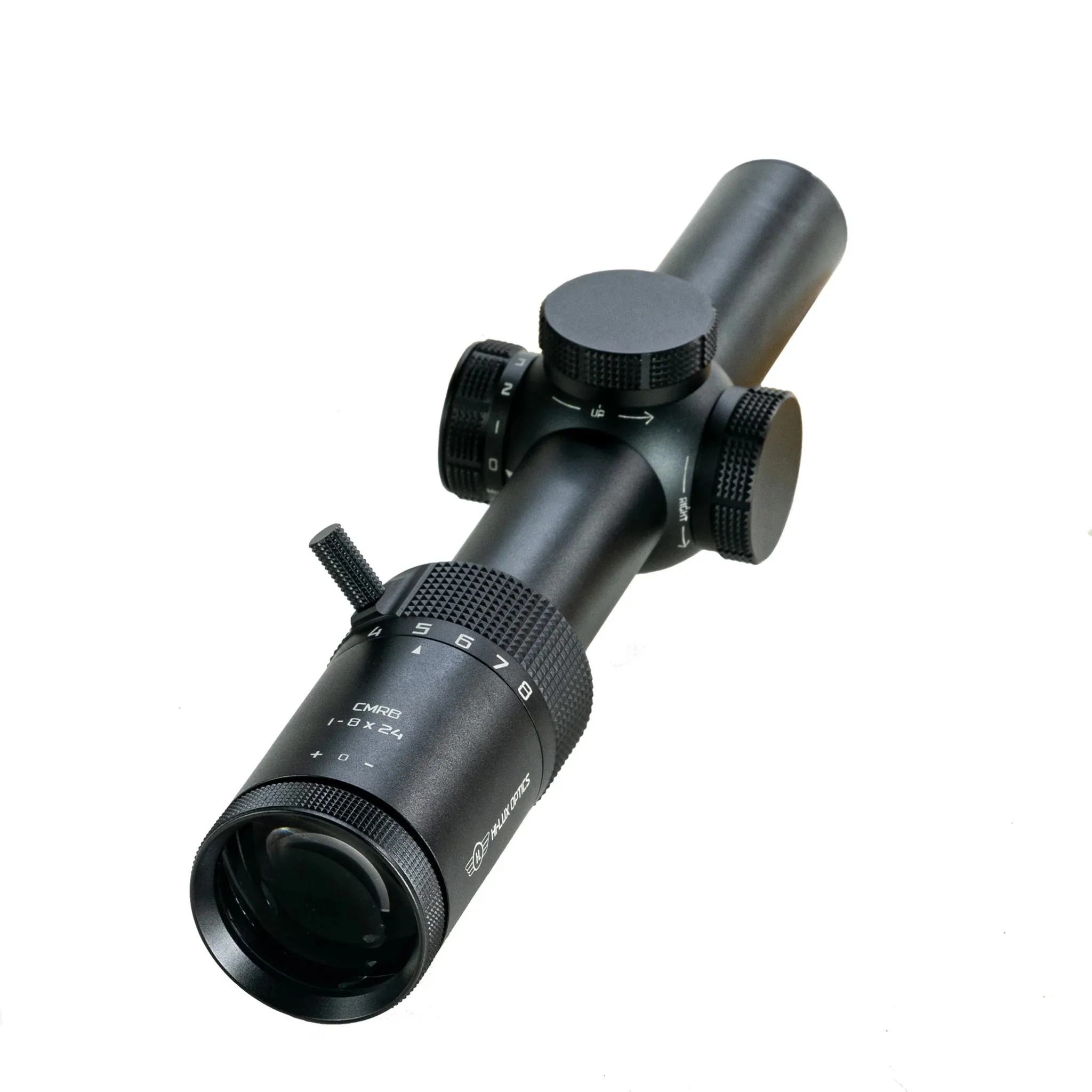
A good low-power variable comparison should include the lowest magnification, the highest useful magnification, the reticle, eye relief, field of view, weight, and the mount the optic needs. The purchase is a system decision. A scope that looks ideal on a product page may become less appealing when its mount, eye position, and weight are considered on the finished rifle. That is not a flaw in the optic. It is a reminder that the rifle and sighting system must be selected together.
When a red dot makes more sense
A red dot can be the strongest answer when the rifle's normal use does not require magnification and the shooter values a simple, compact sight picture. It is worth treating this as a role-based choice rather than a debate about which category is more serious. The right red dot can keep the rifle lighter and less visually busy, which may be exactly what a closer-distance or compact setup needs.
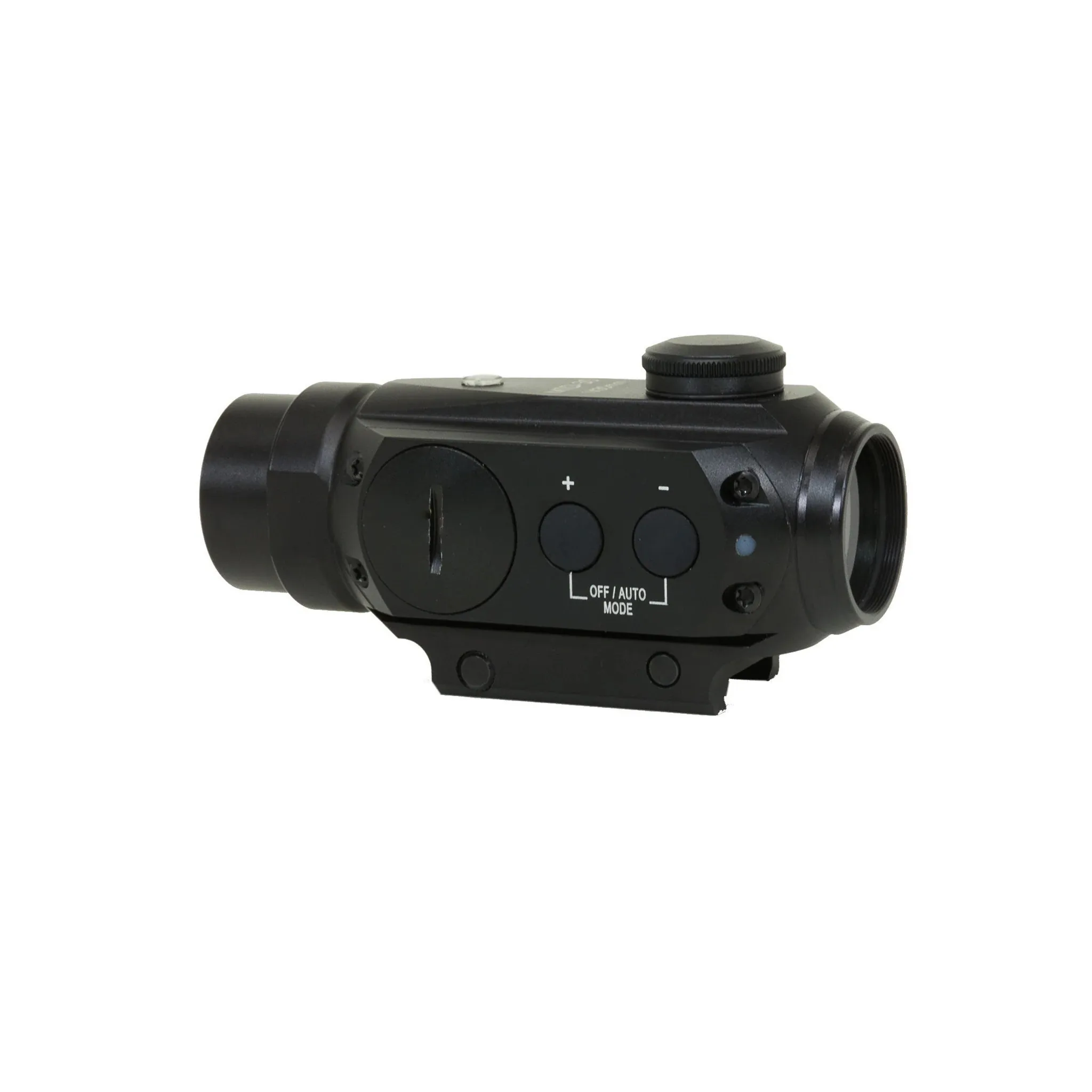
DRD's Hi-Lux Max Tac Dot 1X30 is an example of a dedicated 1x red-dot optic. Its product information identifies it as a zero-magnification reflex-style sight and notes its integrated Picatinny-style mounting arrangement. The important buying question is not whether a red dot can do everything a magnified optic can do. It cannot, and it is not intended to. The question is whether magnification would solve a real problem for the shooter or merely add expense and weight to a rifle that is already suited to its job.
A buyer should also think about target size and conditions. At modest distances on larger, clear targets, an unmagnified optic may be entirely appropriate. When the task demands a more precise view of a smaller target, additional magnification may be more useful. That is a personal and use-specific judgment. Avoid choosing a category from someone else's course of fire or a single range session that does not resemble the rifle's normal use.
Competition scopes need rulebook context
Competition optics deserve their own category because the best choice can be set as much by the event as by the shooter's preference. Service-rifle and high-power competitors should start with the current match rules and program. The CMP rulebook library and the NRA rulebook library are the right references for the rules that govern a particular discipline. A current rulebook is more reliable than a forum post, an old match report, or an assumption based on what another shooter used years ago.
The Hi-Lux XTC1-4X34 Service Rifle Competition Scope illustrates why the purpose matters. DRD lists it as an optic designed around CMP and NRA High Power Across the Course competition, with information about its 1x to 4x range and adjustable parallax. Those are meaningful details in a competition context where target distances, positions, and rules are already defined. They are not a reason to treat the optic as the automatic best scope for every AR-15 owner.
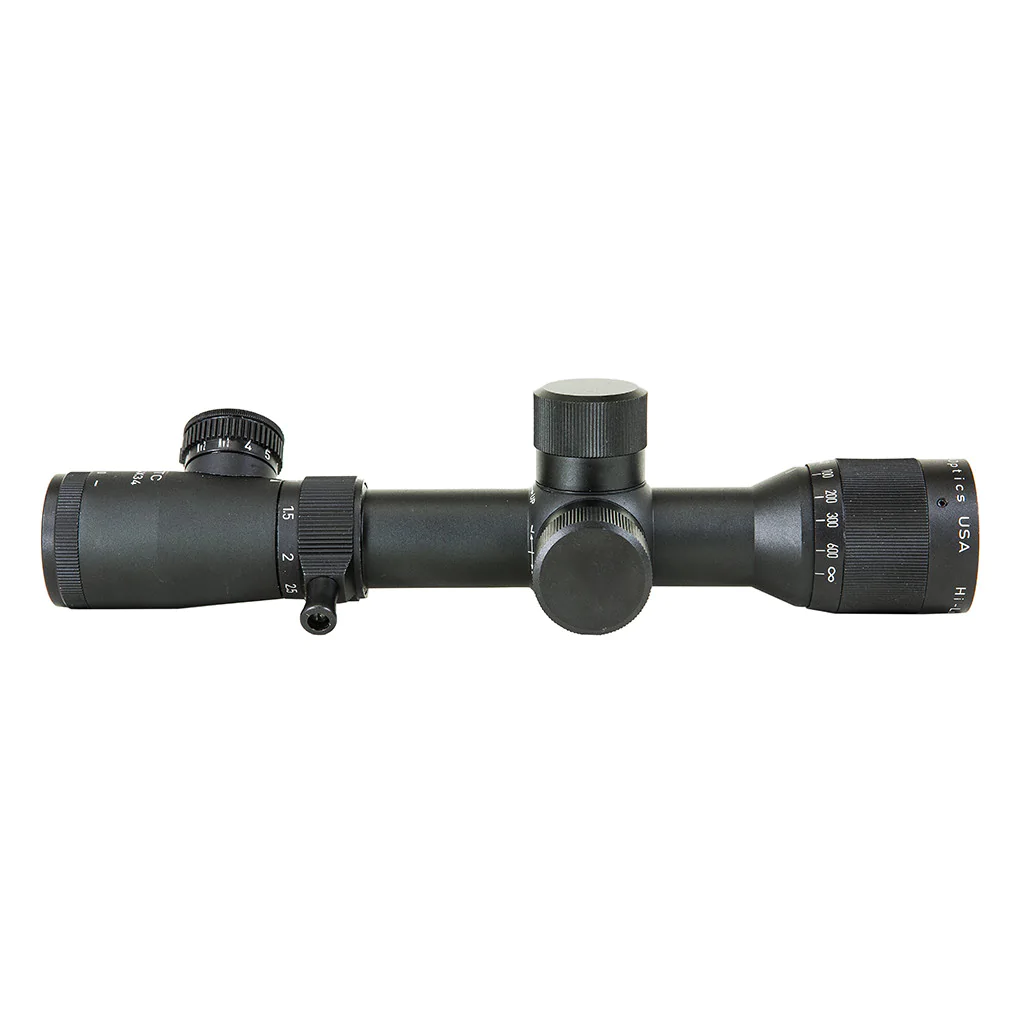
For a competitor, the buying checklist is more specific. Confirm the current rules, identify the normal stages and distances, decide whether the rifle is intended for that event rather than general use, and then compare optic details. A well-matched competition optic can support a clear rifle purpose. A mismatched one can leave the shooter with an expensive sighting system that is awkward, noncompliant, or simply less useful than the simpler option they started with.
Magnification is only one part of the decision
Magnification gets most of the attention because it is easy to compare from a number. It is not the whole sighting experience. A 1-8x label tells you the available range, but not whether the reticle is easy to read for the intended use, whether the eye relief suits the rifle and shooter, whether the weight feels right, or whether the optic has controls that make sense under the conditions the shooter expects.
Reticle design matters because it shapes what the shooter sees when looking through the optic. Some reticles are intentionally simple. Others add aiming references that may be useful for a defined shooting plan but distracting for a buyer who wants a clean view. There is no honest way to declare one reticle style best for every AR-15. It is better to ask what information the shooter needs to see, at what distances, and under what kind of time pressure.
Eye relief and mounting position matter because the scope must work with the shooter's natural position behind the rifle. A product that is excellent on paper can feel wrong if the eye box, mount, stock position, and shooting posture do not work together. Those factors are worth discussing before purchase, especially on a custom rifle or a competition configuration where the buyer is already making several related decisions.
Keep the optic and rifle as one configuration
An optic is often described as an accessory. For a serious rifle, it is part of the finished system. It affects how the rifle balances, how the shooter sees the target, how naturally the stock and eye position work together, and what kind of shooting the owner can reasonably expect to do. That is why a scope purchase should come after the intended role is understood, not before it.
DRD's DRD-15 Garrison shows the value of thinking about a complete package. The listed configuration pairs a 16-inch rifle with a Hi-Lux 1-8X24 scope and a hard case. It is not a claim that every AR-15 should use that exact optic. It is a useful example of a rifle, glass, and intended practical role being considered together instead of sending the buyer to assemble an unrelated list of components.
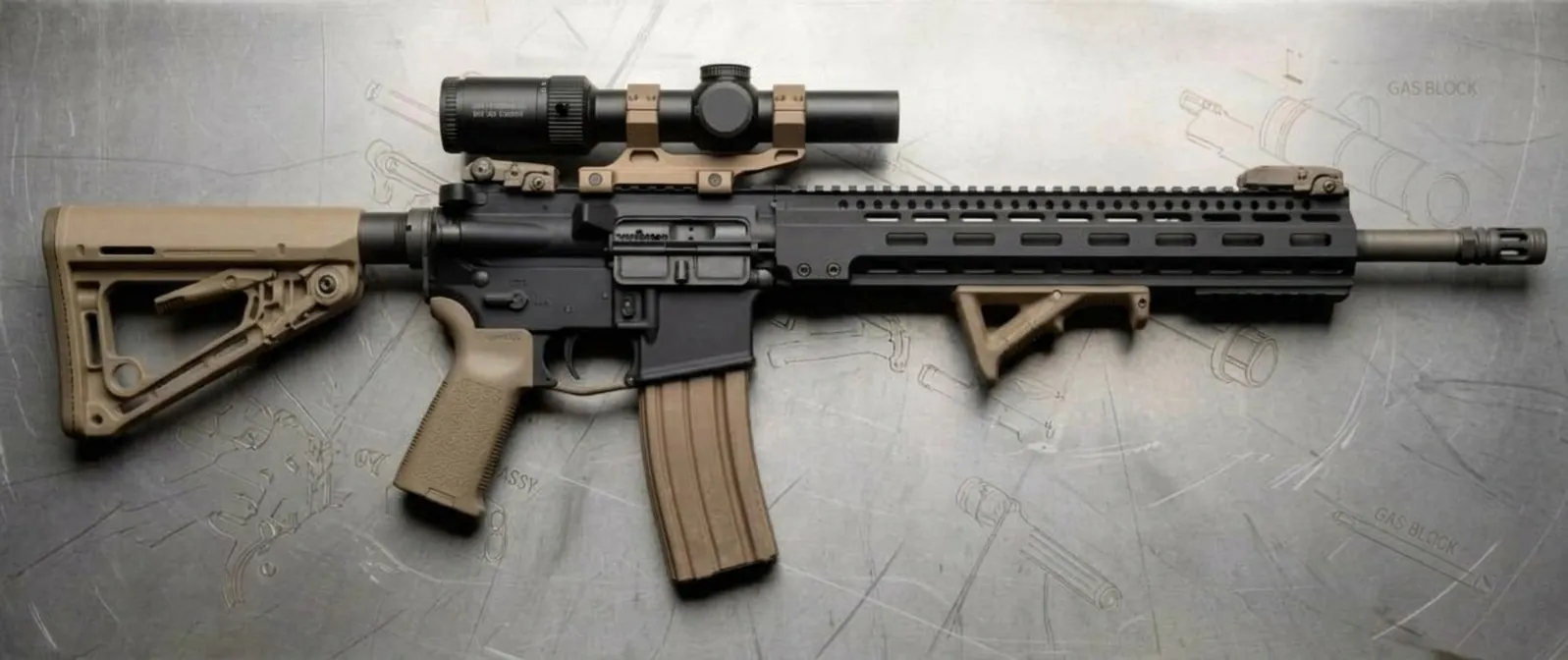
This approach also helps avoid expensive second guesses. A shooter who begins with a clear purpose is less likely to buy a scope because it is popular, then discover it adds the wrong kind of weight or magnification for the rifle. It is more efficient to decide what needs to be seen, where the rifle will be used, and what the complete setup should feel like before choosing glass.
How to compare value without buying twice
Price matters, but it should be considered as the cost of a complete sighting plan rather than the price printed next to the optic alone. A scope may require a compatible mount, and the combined weight and position can change the way the finished rifle feels. A buyer who only compares scope prices can miss the cost and fit of the whole system. That is how an apparently inexpensive choice becomes an expensive replacement a few months later.
Start with the capabilities that the rifle genuinely needs. A shooter who does not need magnification should not pay for a larger variable optic solely because it is popular. A competitor who needs to meet an event's requirements should not gamble on a general-purpose product because it has a lower sticker price. Value comes from buying the right category once, then choosing a well-supported product inside that category with a clear reason behind it.
It also helps to separate a feature from a requirement. An illuminated center point, a larger magnification range, a detailed reticle, or additional adjustment controls can each be useful in the right context. They are not automatically necessary. Every extra feature should answer a real question about the rifle's intended use. When it does not, it can add complexity without making the sighting system more effective for the owner.
The most dependable purchase path is the one that leaves the buyer able to explain the decision in a sentence: this optic fits this rifle because it supports these distances, this type of shooting, and this level of detail. That standard is far more useful than chasing the longest feature list or copying a setup designed for somebody else's event.
What to bring to an optic conversation
A productive conversation with a builder or retailer does not begin with a model number. It begins with the rifle and the shooting plan. Bring the exact rifle model or its current configuration, the usual distance range, the kind of targets you expect to see, whether you need to comply with a current competition rulebook, and any clear preference about balance or size. Those details make it possible to compare meaningful options without guessing.
Be honest about the rifle's primary use. A setup that will occasionally visit a longer range does not necessarily need to be built around its rarest use case. Conversely, a rifle that will regularly compete in a defined discipline deserves equipment selected around that discipline from the beginning. The choice becomes more accurate when the normal use carries more weight than an imagined all-purpose role.
For an existing rifle, tell the professional about any optic, mount, stock, or other equipment already in place. They can help assess whether the current configuration already meets the need, whether a different optic category would make more sense, or whether the purchase should wait until the rifle's intended role is clearer. That kind of conversation protects the buyer from replacing a sound setup for the wrong reason.
A practical scope-buying checklist
Before selecting a scope for an AR-15, work through these questions in order:
- What is the rifle's main job? Define the actual shooting role before comparing magnification ranges.
- What distances are normal? Consider the targets and conditions the rifle will realistically see, not only the furthest distance you may visit once.
- Do current competition rules apply? Confirm the rulebook and match program before buying around a competition category.
- Does magnification solve a real need? A red dot may be enough for one role, while a variable scope may be a better fit for another.
- What reticle and sight picture will be useful? Choose information you can use, not a feature list that looks impressive in isolation.
- How will the optic fit the rifle? Compare weight, eye relief, mount requirements, stock position, and the finished rifle's handling.
- Who can help verify the complete setup? A knowledgeable builder or qualified professional can help compare the rifle and optic as one practical configuration.
This checklist is intentionally simple. It prevents the most common mistake in optic shopping, which is treating a scope as a universal upgrade. The right optic is the one that makes the intended rifle easier to use for its actual purpose without creating a new problem somewhere else in the configuration.
How DRD helps narrow the optic choice
DRD is most useful when the optic conversation begins with the rifle and the shooter's goal. The company carries real options across compact red dots, low-power variable scopes, service-rifle competition scopes, and spotting optics. That gives a buyer a clearer starting point than shopping from magnification alone. The DRD optics selection is a useful place to compare the current options alongside the rest of the catalog.
For a new rifle, come prepared to describe the expected use, normal distances, whether a match rulebook applies, and what handling characteristics matter most. For an existing rifle, share the model and current configuration before assuming a new scope is the answer. DRD can use that context to help the buyer compare a complete, practical setup. The contact page is the right place to start that discussion.
Bottom line
The best scope for an AR-15 depends on what the AR-15 is meant to do. A red dot can be the strongest answer for a simple, close-range-oriented setup. A low-power variable scope can be a useful choice for a broader mix of distances. A purpose-built competition scope can be the better choice when a specific event and rulebook define the job.
Choose the rifle's role first, then select the optic that supports it. That keeps the decision focused on a complete configuration that makes sense in the real world, not a trend-driven feature list that only looks convincing on a product page.
Frequently asked questions
What is the best scope for an AR-15?
The best scope for an AR-15 is the one that matches the rifle's actual role and the distances you expect to shoot. A low-power variable optic can suit a broad mix of closer and medium-distance work, while a competition scope may make more sense for a defined rulebook and course of fire. The product's intended use, magnification range, reticle, fit on the complete rifle, and current event rules should guide the choice.
Should I choose a red dot or a scope for an AR-15?
A red dot and a scope solve different sighting needs. A red dot is often valued for a simple, unmagnified view at closer distances. A scope can offer magnification and a more detailed aiming reference for a rifle and shooting plan that call for it. Neither is automatically better without knowing the intended use and the rest of the configuration.
Is a 1-8x scope good for an AR-15?
A 1-8x scope can be a practical option for an AR-15 when the shooter wants one optic that can cover close work and a wider range of target distances. It is still important to compare the optic's size, weight, reticle, eye relief, mounting requirements, and intended use with the rifle rather than choosing it from magnification alone.
What scope is used for service-rifle competition?
The right scope for service-rifle competition depends on the current rules and the specific match program. Competitors should read the governing rulebook before ordering equipment because permitted configurations can differ by discipline. A purpose-built service-rifle scope should be evaluated alongside the rifle's complete match configuration.
Can DRD help me choose an optic for my rifle?
Yes. DRD can discuss the rifle, expected shooting use, normal distances, and the optic options that fit the complete configuration. For a new rifle or an existing setup, that conversation helps keep the sighting plan aligned with the rest of the equipment and any competition requirements.
Related posts
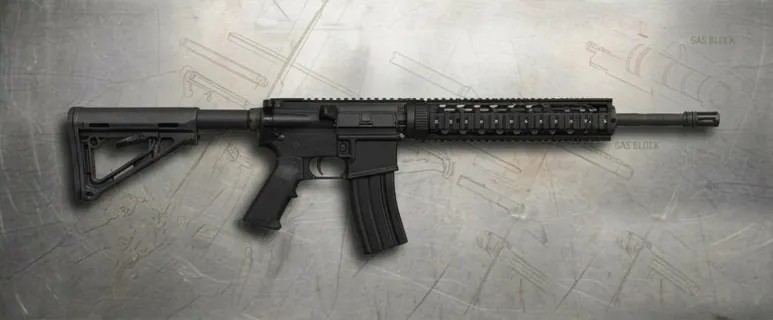
AR-15 Barrel Length: 16 vs. 18 vs. 20 Inches
Compare 16-, 18-, and 20-inch AR-15 barrel lengths for handling, balance, velocity, and match use before choosing a rifle.
Read the guide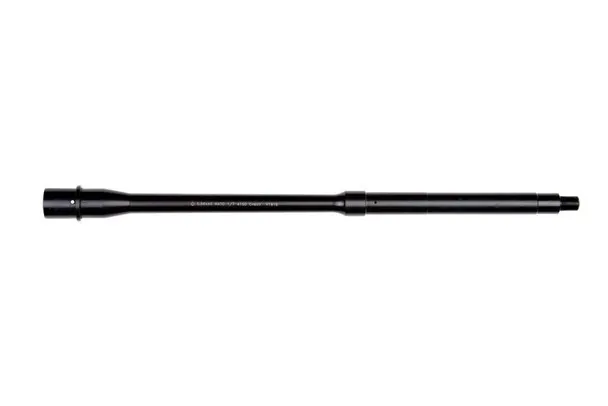
AR-15 Twist Rate Chart: 1:7 vs. 1:8 vs. 1:9
AR-15 1:7, 1:8, and 1:9 twist-rate chart: see what each rate means and how ammunition, bullet length, and rifle use shape the choice.
Read the guide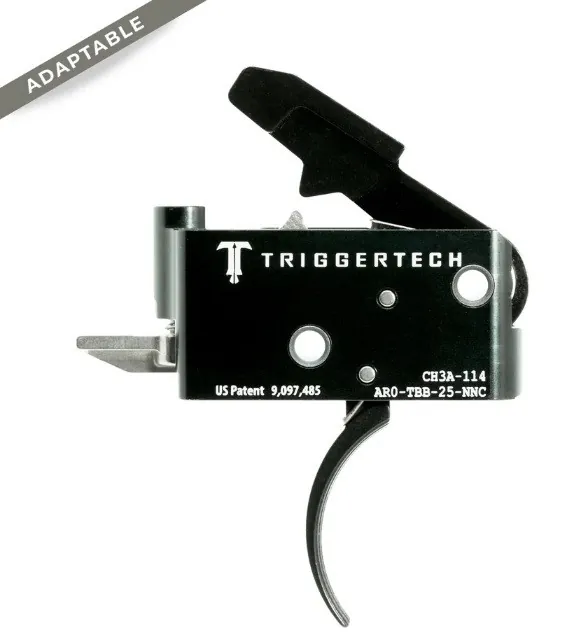
AR-15 Trigger Pull Weight: What It Means
AR-15 trigger pull weight guide: compare single-stage and two-stage feel, what pull-weight numbers mean, and when rifle role and safety checks matter.
Read the guide