Fast Handling
Balance, stock fit, handguard shape, and control placement should help the rifle move with the shooter.

A 3-Gun rifle has to move quickly, settle naturally, and keep working when the pace changes. DRD builds the AR platform around practical accuracy, reliable control, and the way you shoot a stage.
3-Gun asks a rifle to do more than one thing well. A useful setup needs to come up naturally, move between targets without feeling unwieldy, and still give the shooter confidence when the target is smaller or farther away.
That is why the best starting point is the match environment and the shooter behind the rifle. Think through the distances you expect, the optic you intend to use, the ammunition you want to test, and how the rifle needs to feel as you transition, reload, and settle into a position. Those decisions shape the whole configuration more effectively than copying an individual component from someone else's build.
Balance, stock fit, handguard shape, and control placement should help the rifle move with the shooter.
Barrel, chamber, optic plan, and ammunition work together when the stage demands a more deliberate shot.
Gas system, spring, trigger, and the complete operating setup need to remain predictable through a full day.
The DRD-15 3-Gun Rifle brings together a compact competition format and parts selected to support repeatable work under pressure.
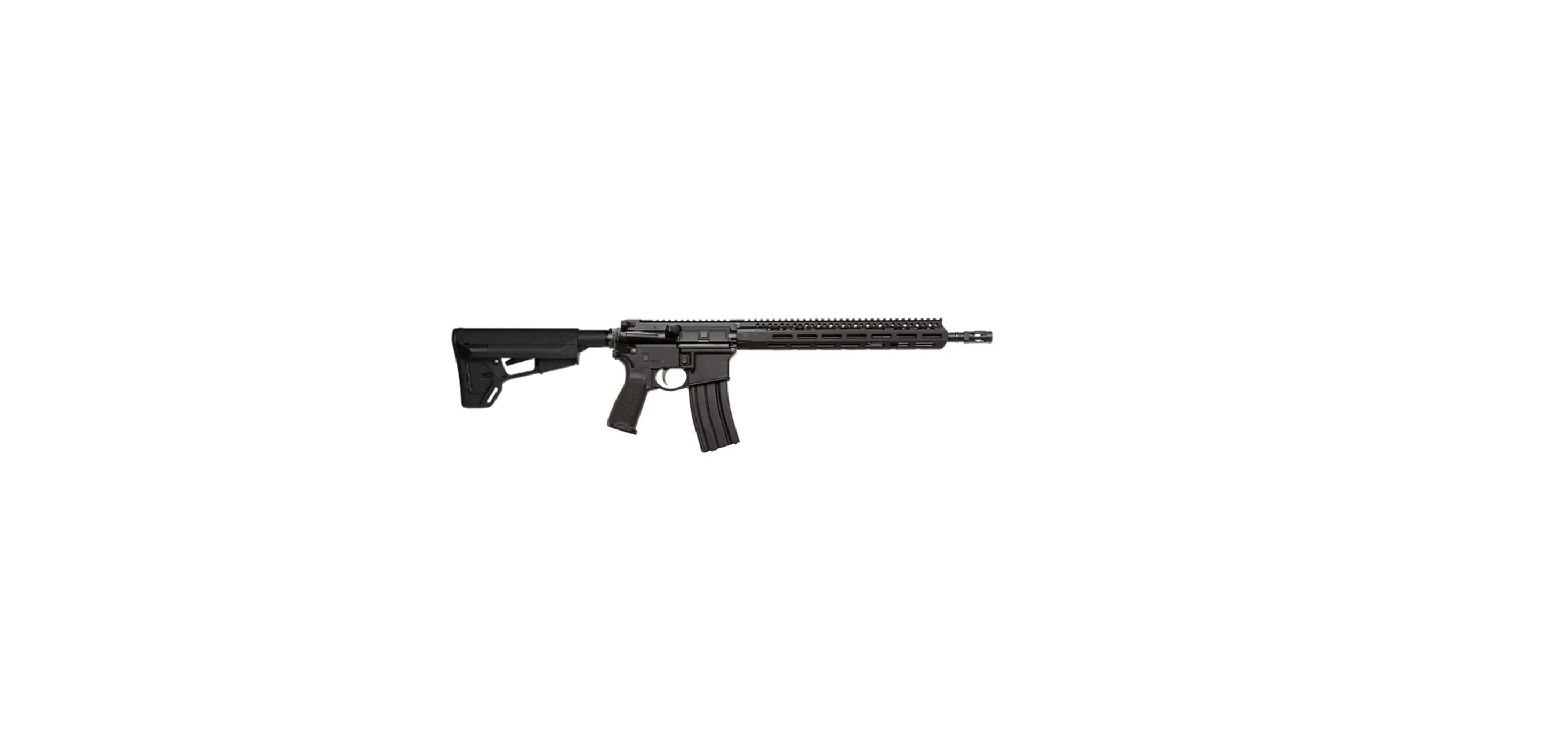
The DRD-15 3-Gun Rifle is built for rapid, accurate competition work with a parts package selected for speed, reliability, and repeatable control.
$1,450.00The DRD-15 3-Gun Rifle pairs a 16-inch .223 Wylde barrel with a mid-length gas system, a 1:8 twist, M-LOK handguard, adjustable stock, captured spring, and two-stage trigger. Each part has a job, but the value comes from the way the package works as a whole.
This is not a claim that one configuration suits every competitor. It is a practical starting point for a conversation about the match, the shooter, and the details that need to work together before the rifle is ordered.
The DRD-15 3-Gun Rifle uses a 16-inch .223 Wylde, 1:8 twist barrel. That length can help keep the rifle responsive during movement and transitions, while the chamber and twist rate belong in the larger conversation about ammunition and intended use. A barrel specification alone is not the whole answer. The rifle also needs the handguard, stock, trigger, gas system, and operating parts to support the same purpose.
The mid-length gas system is paired with a medium-contour barrel, a JP Enterprises captured spring, and the rest of the rifle's competition-focused parts package. Those choices are meant to work together. A shooter considering a different load, component, or match format should evaluate the complete system rather than expecting a single change to carry the entire performance conversation.
3-Gun rewards clean, repeatable movement. The rifle's M-LOK handguard gives the shooter a useful foundation for grip and support-hand placement, while the adjustable Magpul ACS stock allows the fit conversation to include length of pull and a consistent cheek position. The goal is not to add equipment for its own sake. It is to make the rifle predictable when a stage asks the shooter to move, shoulder the rifle, and make the next shot without fighting the setup.
The DRD-15 uses a two-stage TriggerTech adaptable trigger with an adjustable pull-weight range. A trigger needs to make sense for the individual shooter and the way they train. It should help the shooter apply a controlled press without becoming another variable to manage. DRD can help discuss whether the standard configuration suits your preferences before the rifle is ordered.
A clear conversation at the start makes it easier to choose a rifle that feels purposeful instead of merely well equipped.
Bring the details you already know about the matches you plan to shoot. Target distances, expected movement, positional shots, and the pace of the course all influence how much weight, magnification, and adjustment range make sense. Match rules and division requirements should be confirmed before treating any rifle or optic plan as final.
The sighting system changes how a rifle is used. A low-power variable optic, a red dot, or another legal option can affect balance, eye position, and the way the shooter approaches close and more distant targets. Choose the optic as part of the package, then make sure the stock, mount, and handling characteristics give the shooter a repeatable presentation.
A rifle cannot be selected in isolation from the ammunition it will use. Share the loads you expect to test and the distances where you want confidence. That gives DRD a useful basis for discussing the chamber, barrel, and setup instead of relying on generic advice. Once the rifle is in hand, consistent practice matters as much as the configuration.
Stock length, cheek position, grip, trigger feel, support-hand placement, and overall balance are personal. A rifle that looks right on a specification sheet can still be a poor fit if it does not settle naturally for its owner. Explain what you have liked and disliked about previous rifles. That is the kind of information that turns a good starting point into a better personal configuration.
DRD is led by Dan Duitsman, a Marine Corps-trained marksman, Distinguished Rifleman, competitor, instructor, and rifle builder. That background keeps the conversation grounded in the complete rifle and the shooter who will use it.
A 3-Gun rifle should not be treated as an accessory list assembled around a slogan. The useful question is whether its balance, sighting plan, operating system, trigger, and fit make sense together for the work ahead. DRD can help you start with the details that matter, then refine the build without losing sight of the reason for each choice.
For a broader look at DRD's National Match and AR-Tactical options, visit the Competition AR-15 Rifles page. If you are ready to narrow down a 3-Gun configuration, start a build conversation with the match and the way you shoot in mind.
Match demands, optic plan, ammunition, and fit give the build a clear direction.
Parts should reinforce the same job instead of turning the rifle into a collection of unrelated upgrades.
Talk through the details before the order so the completed rifle starts from a stronger plan.
A useful 3-Gun rifle balances reliable function, practical accuracy, manageable weight, and controls that work naturally for the shooter. The best configuration depends on the match format, the distances you expect, the ammunition you plan to run, and the way the rifle fits you.
A 16-inch AR-15 can be a sensible starting point for 3-Gun when the shooter wants a compact, responsive rifle. Barrel length is only one part of the decision. The gas system, barrel contour, optic, trigger, stock, handguard, and ammunition all need to support the same job.
The DRD-15 3-Gun Rifle pairs its 16-inch .223 Wylde barrel with a mid-length gas system as part of a complete competition configuration. It should be evaluated alongside the rifle's medium-contour barrel, captured spring, trigger, stock, and the ammunition the shooter intends to use.
Yes. DRD can discuss the match format, optic plan, preferred controls, fit, ammunition, and components that matter to you, then help determine whether the current DRD-15 starting point or a more tailored build makes sense.
Complete firearms ship to an eligible FFL dealer, where the buyer completes the required transfer process. Complete uppers and accessories can ship directly when permitted.
DRD works through the intended use, parts, legal transfer path, and realistic build timing before the rifle is built.
Fredericksburg-area pickup can be scheduled by appointment after required paperwork.