
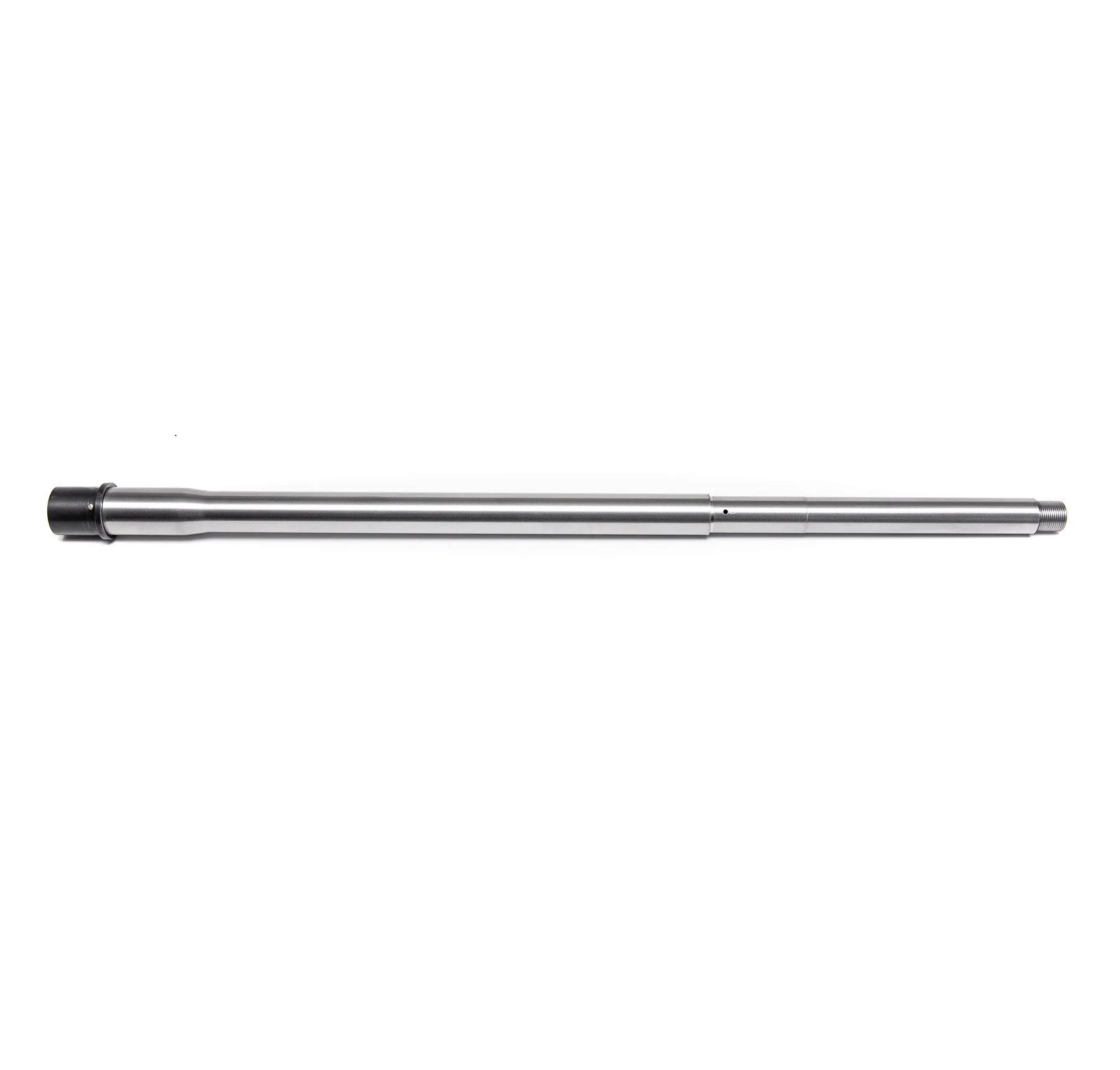
An AR-15 barrel profile is often treated like a small line on a product page. It is not. The barrel's outside contour affects how weight is distributed through the rifle, how it feels during a long day on the range, and how the rifle fits the job its owner has in mind. It still does not make the decision by itself. A useful comparison keeps barrel profile beside length, chamber, twist rate, gas-system layout, sighting plan, stock, ammunition, and the type of shooting the rifle needs to support.
The short answer
Barrel profile describes the external contour of a barrel, not its chambering, bore diameter, or rifling twist. In plain terms, it is where the barrel is thicker or thinner from the receiver to the muzzle. That contour changes the amount and location of weight forward of the shooter's hands.
A lighter profile can make a rifle easier to carry and move. A heavier profile can add forward weight and more material around the bore. Neither is automatically the better choice. The right choice depends on whether the rifle is meant for practical competition, general range use, a field role, a rule-bound match format, or another specific purpose.
Manufacturers use profile names differently, but the underlying comparison is consistent. Faxon's Gunner profile overview explains how moving barrel weight can change a rifle's balance, while Ballistic Advantage's barrel-profile guide shows why profile should be considered alongside the rifle's broader application. Those are useful starting points, but the exact product specification always matters more than a broad label.
What barrel profile changes on a finished rifle
When a buyer picks up a rifle, balance is noticed before most specifications are read. A barrel carries much of its weight forward of the receiver, so a change in contour can affect how quickly the rifle settles in a supported position, how tiring it feels to carry, and how it moves between targets. That is why two rifles with the same barrel length can feel noticeably different.
Profile also changes how much material surrounds the bore. During sustained use, a barrel's dimensions and material are part of the complete thermal picture. It would be a mistake to turn that into a promise about accuracy or durability from one label alone. The chamber, barrel quality, ammunition, rate of fire, sighting system, assembly, and support all remain part of the result.
For a buyer, the practical lesson is simple: do not select a rifle from barrel profile alone. Use it to ask a better question. Where will this rifle spend its time, and does the complete configuration make sense for that job?
Common AR-15 barrel profile names
| Profile | General character | A buyer may value it for | What still needs checking |
|---|---|---|---|
| Lightweight or pencil | Less forward weight than many conventional contours. | Carrying comfort and a quick-handling feel. | Exact dimensions, barrel length, intended use, and the maker's complete specifications. |
| Government or M4-style | A common contour with changing diameters along the barrel. | A familiar, general-purpose AR-platform starting point. | The actual barrel dimensions, gas-block journal, chambering, and finished rifle configuration. |
| Medium or hybrid | A contour designed to balance weight and material in a maker-specific way. | A middle ground for a defined rifle role. | How that particular manufacturer defines the profile and what the rifle is built to do. |
| HBAR or heavy | More barrel material than lighter common contours. | A deliberate, steadier-feeling configuration for some uses. | Total rifle weight, handling needs, match rules when applicable, and the exact product details. |
These names are comparison language, not universal standards. An HBAR from one maker is not guaranteed to share dimensions with another maker's heavy barrel. A government profile is also not a complete description of a rifle. Always read the listing for barrel length, chambering, material, twist rate, gas-system layout, gas-block journal, muzzle threads, and the stated use of the finished rifle.
Lightweight profiles and practical handling
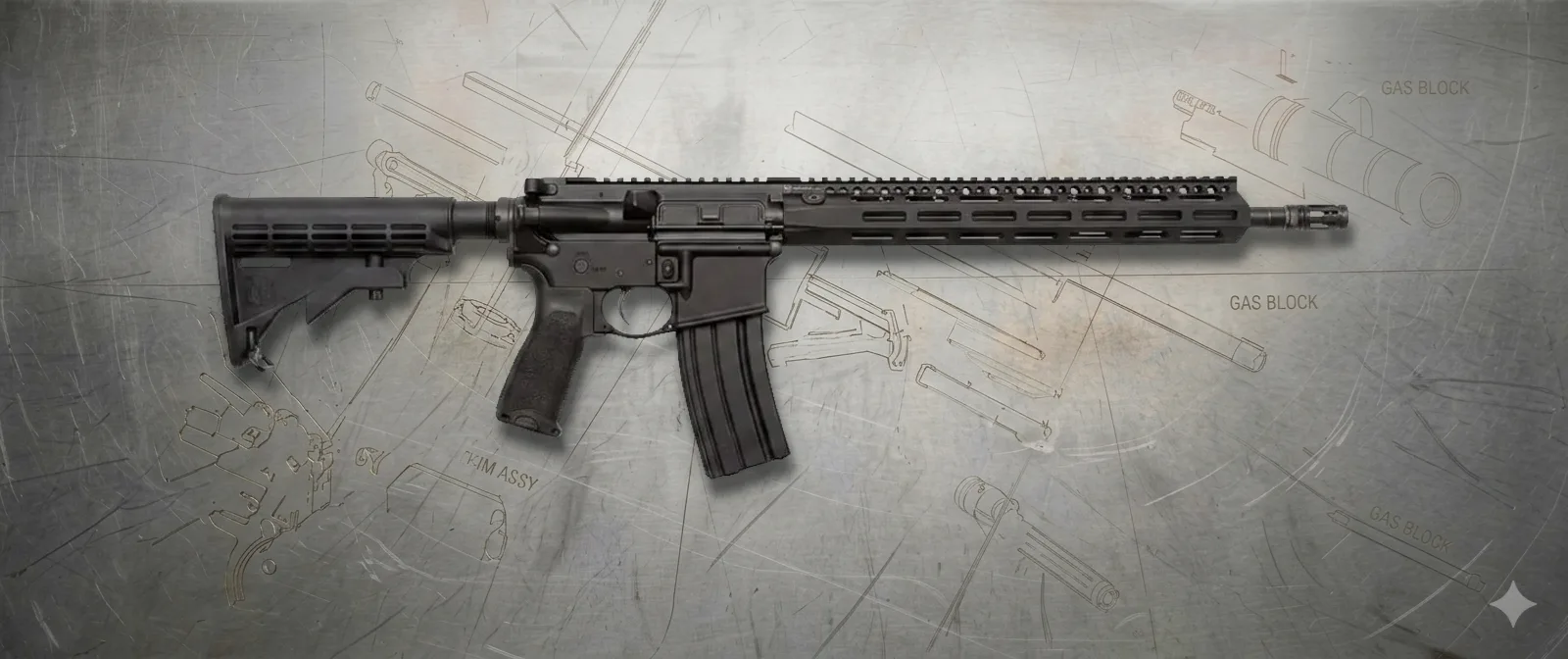
A lightweight or pencil profile is commonly considered by buyers who value less forward weight. That can be meaningful for a rifle carried over distance, moved frequently, or used in a setting where quick handling matters. The advantage is not that a light barrel solves every practical concern. It is that the complete rifle may feel easier to manage when its weight and balance fit the owner's real use.
That choice comes with tradeoffs. A rifle is not carried by its barrel alone. A long handguard, large optic, steel mounts, a bipod, or other equipment can alter the balance a buyer expected from a lighter contour. The same barrel profile can also feel different at 16 inches than it does at 20 inches. That is why an informed buyer compares a finished configuration rather than collecting profile labels in isolation.
For an existing rifle, an owner should not assume that a lighter barrel is a simple upgrade path. A barrel change affects a core part of the firearm and raises compatibility, assembly, and function questions. The product maker and a qualified gunsmith are the right sources for that work. For a new purchase or custom build, it is more useful to begin with handling needs, expected distance, normal ammunition, and the conditions where the rifle will be used.
Government profiles and general-purpose rifles
Government profile is one of the most familiar terms a buyer will encounter. Ballistic Advantage's overview of government and M4 profiles notes their changing diameters along the barrel, which is a reminder that the label describes a contour rather than a promise about every other feature. A government-profile barrel can appear in many different rifle configurations, lengths, chamberings, and intended uses.
For that reason, a buyer looking for a broad-use AR-platform rifle should keep the profile in its proper place. A general-purpose setup still needs a sensible barrel length, chambering, twist rate, gas-system layout, stock, sighting plan, and overall weight. The AR-15 barrel-length guide can help frame the handling and velocity questions that profile alone cannot answer.
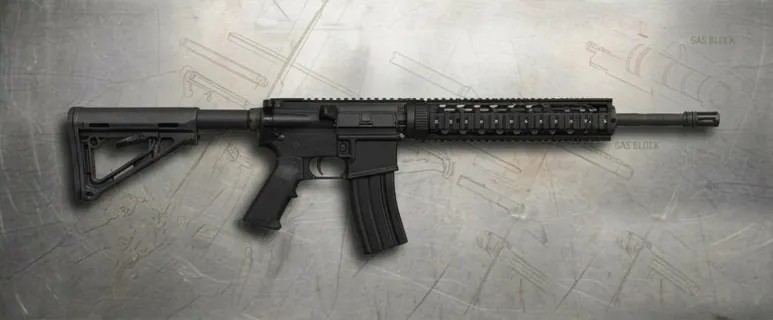
The DRD CQT-15 is a useful example of a purpose-led product listing. Its 16-inch 5.56 NATO barrel, carbine-length gas system, free-float handguard, stock, and duty trigger are presented as one tactical rifle configuration. A buyer may have a profile preference, but the more useful decision is whether the whole setup fits the shooting they actually plan to do.
Heavy profiles, HBAR, and match-focused use
HBAR usually refers to a heavier barrel contour, though the exact dimensions and intended use still belong to the manufacturer's specification. Buyers often connect a heavier contour with a steadier-feeling rifle or a configuration intended for sustained, deliberate shooting. That can be relevant for a match-focused rifle, but it is not a universal ranking of barrels.
More weight forward of the receiver can be useful for some shooting positions and less welcome for others. A shooter who spends most of a day moving through a practical stage may prioritize a different balance than one who expects a supported position and a defined competition format. The rifle's total setup matters as much as the contour, including barrel length, handguard, sights, optic, stock adjustment, and the rules of the discipline.
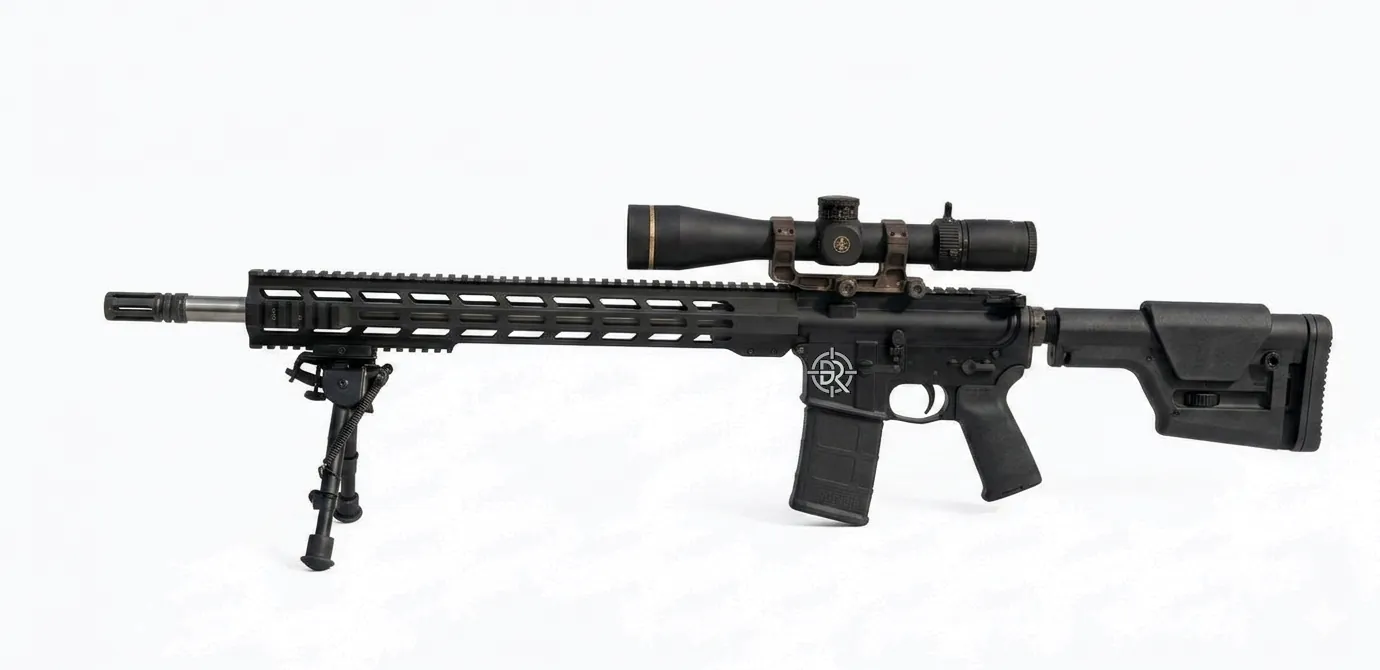
DRD's AR-Tactical Rifle shows how a match-oriented rifle is more than a barrel choice. Its listed configuration includes a 22-inch .223 Wylde barrel, 1:7 twist, free-float handguard, precision-adjustable stock, and two-stage trigger. Readers evaluating that kind of rifle should also consider the AR-15 twist-rate guide, because ammunition and twist rate can shape the choice just as directly as profile.
Do not confuse profile with fitment
Profile names do not establish compatibility. A product label such as lightweight, government, medium, or HBAR does not tell a buyer the exact gas-block journal diameter, gas-system length, receiver-extension setup, chambering, or compatible components. Those details must come from the barrel or rifle manufacturer's actual specifications.
This is especially important when comparing an upper with a complete rifle. An upper does not reveal every characteristic of the lower, stock system, buffer system, optic, or the complete configuration where it will be used. A profile label can begin a conversation, but it should not be used as permission to assume parts will interchange or that a change will improve a working rifle.
Individual barrel listings, such as Faxon's Gunner profile information, show why a buyer needs more than a broad label to make a responsible comparison. The exact part specifications are the source of truth for fitment. When the goal is a new rifle rather than a component project, a finished configuration and an informed conversation are usually a more dependable route.
A practical comparison checklist
When comparing two rifles or barrel listings, use a sequence that keeps the decision focused on the real job:
- Start with use: Identify whether the rifle is intended for practical competition, match shooting, hunting, range use, or another defined role.
- Compare length and balance together: Profile changes where weight sits, while barrel length changes handling and other practical considerations.
- Read the chamber and twist-rate details: These specifications help connect the rifle to the ammunition and distances being considered.
- Check the operating package: Look at the stated gas-system layout, stock, handguard, trigger, optic plan, and the purpose of the complete rifle.
- Use exact manufacturer specifications for compatibility: Never substitute a broad profile name for dimensions or fitment information.
- Get qualified support for firearm work: A gunsmith can inspect the actual platform and address barrel, assembly, and safety questions before any modification is considered.
This process keeps the buyer from paying too much attention to one feature while missing the rest of the rifle. It also produces better questions for a builder. Explain the normal shooting distance, ammunition plan, desired handling, sighting setup, and any competition rules. Those details are more useful than asking for a profile by name without a clear purpose.
How DRD helps narrow the choice
DRD offers configurations with different jobs, so buyers can compare the whole rifle before focusing on a single specification. The DRD-15 3-Gun Rifle pairs a 16-inch .223 Wylde barrel with a mid-length gas system, adjustable stock, and competition-focused component set. The National Match AR-15 options provide a different starting point for shooters working within a more specific discipline.
For a custom conversation, the key details are practical: how the rifle will be used, expected distances, normal ammunition, preferred sights or optic, handling priorities, and any current rulebook. DRD can use that information to discuss a complete configuration instead of treating barrel profile as a one-word answer. The custom-build contact page is the place to start that discussion.
Bottom line
AR-15 barrel profile is worth understanding because it affects balance and helps explain why two rifles of the same length can feel different. Lightweight, government, medium, and HBAR labels can be useful shorthand, but none is a universal answer for accuracy, reliability, or fit.
Choose the complete rifle around its intended use. Compare barrel profile alongside length, chamber, twist rate, operating system, stock, sights, and total weight. For a component change or a rifle that is not functioning as expected, rely on the manufacturer's specifications and a qualified gunsmith rather than a general online profile chart.
Frequently asked questions
What is an AR-15 barrel profile?
An AR-15 barrel profile is the barrel's outside contour. It influences where weight sits on the rifle and how much material surrounds the bore. It is one factor to compare alongside length, chambering, twist rate, gas-system layout, sights, stock, and the rifle's intended use.
Is a heavier AR-15 barrel more accurate?
A heavier profile is not an automatic accuracy upgrade. Barrel quality, chamber, ammunition, assembly, optic or sights, support, and shooting fundamentals all matter. A heavier contour can make sense for a particular purpose, but it should be chosen as part of a complete rifle configuration.
What is the difference between government profile and HBAR?
Government profile is a common AR-15 contour with varying outside diameters along the barrel. HBAR usually means a heavier barrel contour, but the exact dimensions depend on the manufacturer. Product specifications, not the label alone, should guide a comparison.
Should I change my AR-15 barrel profile?
A barrel change affects a core firearm component and should be approached with the rifle maker's specifications and competent professional support. A qualified gunsmith can evaluate the actual platform, intended use, and compatibility questions before any work is performed.
Does barrel profile determine the right gas block?
No. The gas-block journal diameter and the specific barrel maker's specifications determine fit. Profile names are not a substitute for confirming the exact barrel dimensions and compatible parts.
Related posts
AR-15 Barrel Length: 16 vs. 18 vs. 20 Inches
Compare 16-, 18-, and 20-inch AR-15 barrel lengths for handling, balance, velocity, and match use before choosing a rifle.
Read the guide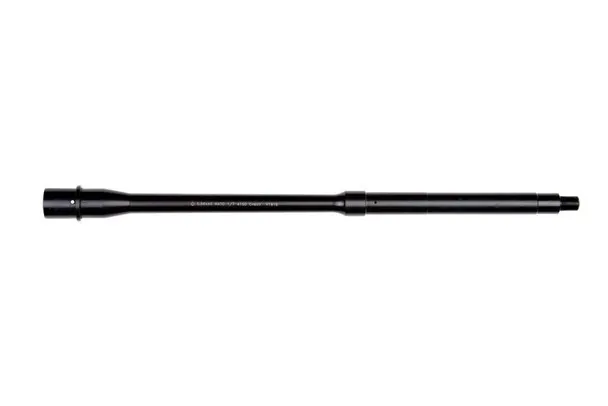
AR-15 Twist Rate Chart: 1:7 vs. 1:8 vs. 1:9
AR-15 1:7, 1:8, and 1:9 twist-rate chart: see what each rate means and how ammunition, bullet length, and rifle use shape the choice.
Read the guide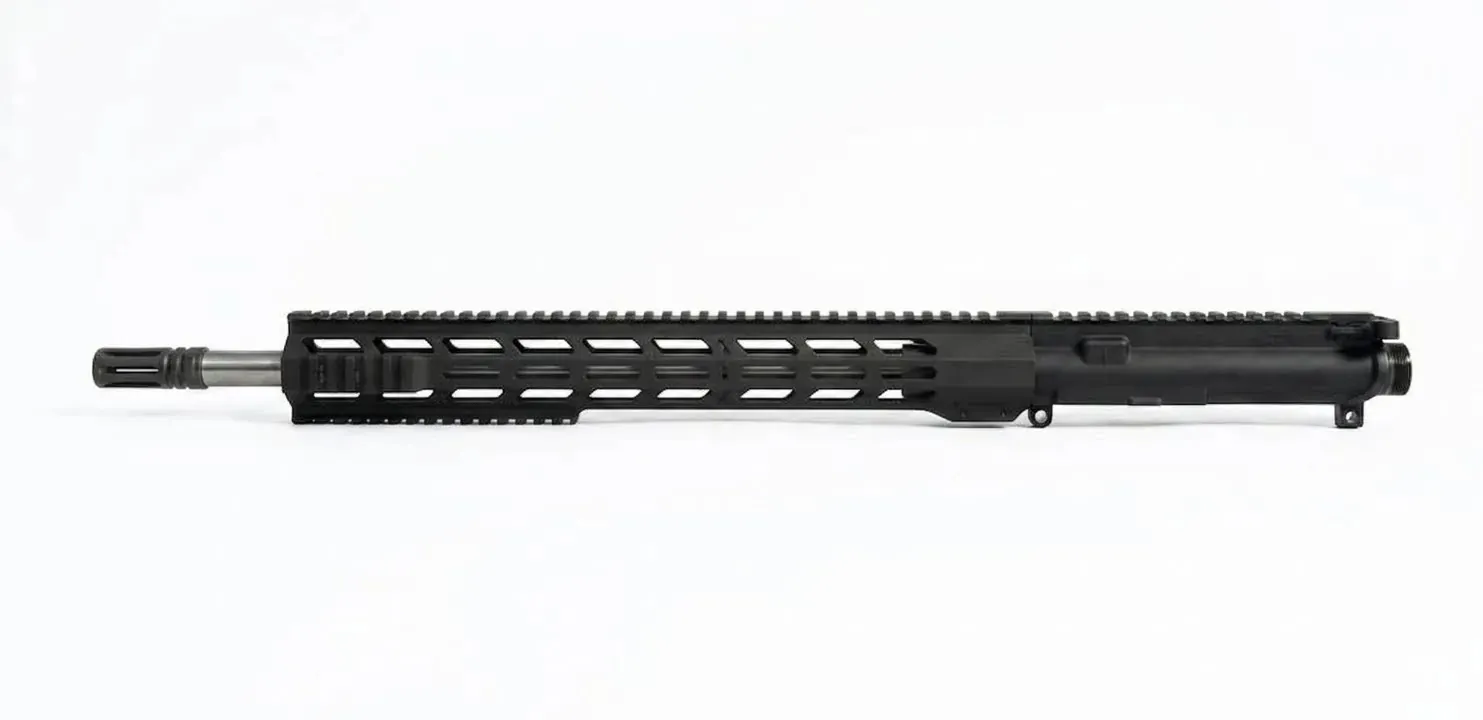
Carbine vs. Mid‑Length Gas System: How to Choose
Carbine vs. mid-length gas system for a 16-inch AR-15: what each label means and the full rifle details to compare before you buy.
Read the guide