

An AR-15 charging handle is a small part with a simple job, but its shape and placement can have an outsized effect on how easy a documented rifle is to handle. The right upgrade is not the one with the largest latch or the longest feature list. It is the one that fits the correct receiver, clears the actual sighting setup, and solves a real handling need without creating a new compatibility question.
The short answer
An AR-15 charging handle is the manual control at the rear of the upper receiver. It is used to move the bolt carrier group by hand for tasks such as loading, unloading, chamber inspection, and locking the action open. On a typical AR-15 pattern, the handle remains in place while the rifle is firing rather than traveling with the bolt carrier group.
For a buyer, the useful comparison is usually between a standard single-latch design, a design with a larger latch surface, and a design that can be operated from either side. Each can be appropriate. The decision should begin with the exact receiver, optic or rear-sight layout, hand preference, and the way the complete rifle is actually used. Do not treat an upgrade as a cure for a rifle that has a function concern or an unclear parts history.
What an upgrade can, and cannot, change
A charging-handle upgrade can change the manual interface a shooter uses when operating the action. A larger latch may be easier to grasp around a particular optic or with gloves. An ambidextrous design can provide access from either side. Those are handling benefits, not promises about every other part of the rifle.
It does not change the barrel, chamber, bolt carrier group, gas system, buffer system, or the rest of the rifle's operating design. A product listing may make a charging handle sound like a stand-alone reliability or accuracy upgrade, but those claims skip the larger picture. If an existing rifle has binding, cycling changes, unusual wear, or another function issue, it needs a proper assessment. Adding a new control before understanding the actual problem can make that assessment harder.
The practical standard is straightforward: select a component that belongs on a known, compatible upper and improves a specific handling question. That may be a standard handle. It may be a larger latch. It may be an ambidextrous design. The correct answer comes from the finished rifle, not a universal ranking.
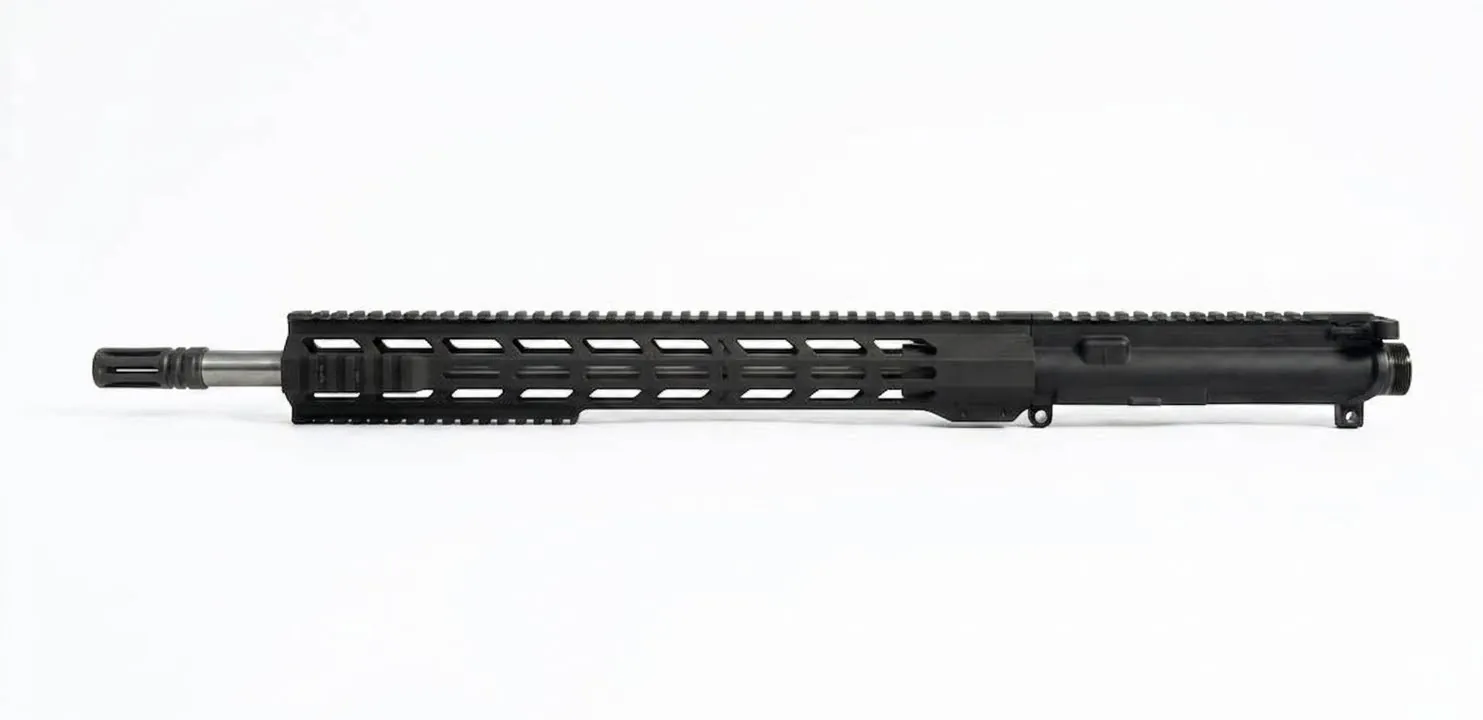
Standard, extended, and ambidextrous designs
A standard single-latch handle is a sensible option when it gives the owner comfortable access and matches the documented upper. It has a lower-profile shape and can be the right answer for a straightforward range rifle, a traditional configuration, or any setup where the existing control already works well.
An extended-latch design increases the gripping surface on the latch side. That can be useful when a shooter finds the standard surface difficult to reach or grasp. The tradeoff is not automatically negative, but it is real: a more prominent latch needs room around the receiver. The space behind an optic, the location of a rear sight, and any adjacent equipment all need to be considered before the part is ordered.
An ambidextrous design provides latch access from both sides. This can be valuable for a left-handed shooter, for a rifle used from more than one side, or for someone whose normal optic and hand position make bilateral access more practical. It is not a requirement for every right-handed shooter, and it should not be selected simply because it is marketed as premium. The key benefit is access, so a buyer should make sure that benefit applies to their own setup.
Published buying guides commonly identify latch access and optic clearance as the central comparison points. The useful takeaway is not the specific brand recommendations in those guides. It is the reminder to compare the physical space around the rear of the receiver before deciding which latch shape is useful. A charging handle is a touchpoint, so personal fit matters more than a broad claim that one style is always best.
Start with the receiver pattern
The first compatibility question is platform, not finish or latch style. An AR-15-pattern charging handle should be selected for the actual AR-15-pattern upper. Do not assume that a component described broadly as an AR charging handle will fit a large-frame AR or another rifle pattern. Receiver dimensions and manufacturer specifications matter, and some patterns have their own compatibility considerations.
That is why a clear product listing is so valuable. DRD's AR-15 Charging Handle is listed as a standard AR-15 charging-handle assembly. That naming tells the buyer the intended platform. It does not establish fit with every rifle that resembles an AR-style firearm, every aftermarket upper, or an unknown parts collection.
When a rifle is already assembled, identify the exact upper before shopping. If the make, model, or prior modifications are unclear, pause there. Product photos and general descriptions cannot safely answer a fit question for an undocumented firearm. The component maker's guidance, the original manufacturer, or a qualified gunsmith is the better source for a specific compatibility answer.
Optic clearance is a real buying question
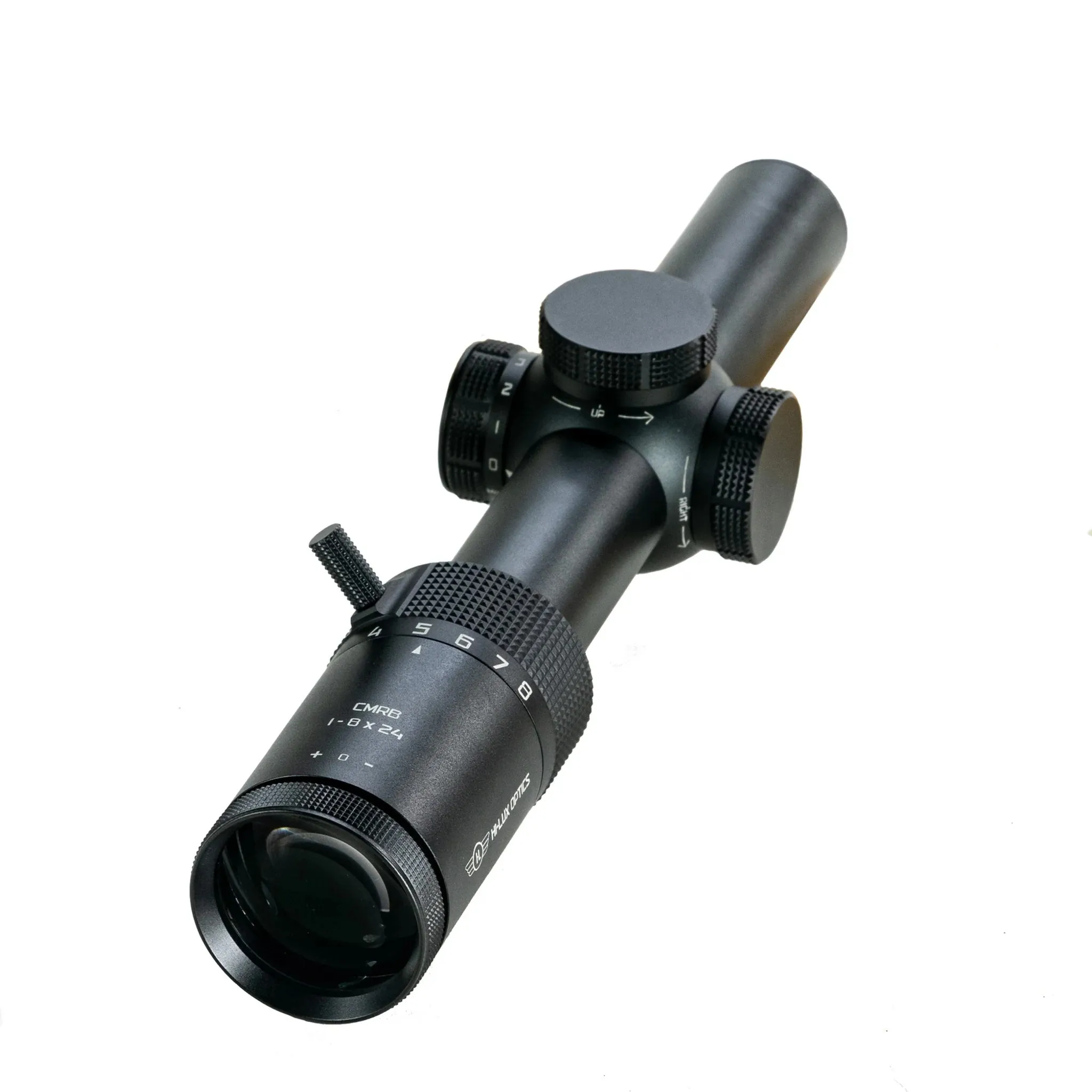
Optics can change how much room is available behind the receiver. A low-mounted scope, a magnifier, a rear sight, or a particular mount may make a small latch harder to reach or may limit space for a larger design. This is one reason a charging-handle choice should be made with the rifle assembled as it will actually be used, not from a generic product photograph.
DRD's AR-15 scope guide makes a related point: sighting equipment should be chosen around the rifle's role and the way it will be handled. The same logic applies here. A charge handle that seems attractive by itself can become awkward once an optic mount, rear sight, and normal shooting position are in place.
Before buying, note the actual upper, the optic or rear sight, and whether a larger latch would occupy the available space comfortably. Then check the handle maker's compatibility information. If there is doubt, ask before ordering. That small step is more useful than assuming all extended designs clear all optics just because they share an AR-15 label.
Match the handle to the rifle's job
A general-purpose range rifle may not need a change if its existing charging handle is comfortable, compatible, and in good condition. A buyer should not create a problem simply because an accessory category offers many upgrades. A standard part that suits the rifle's real use is a better choice than a more elaborate part selected on speculation.
A competition or training rifle may place different value on access and repeatable handling. That does not make one latch style universally correct. It means the shooter should consider the positions, sighting arrangement, gloves or other equipment, and rules that shape the actual use. The DRD competition rifle overview is a useful place to see why a complete configuration deserves more attention than one isolated control.
For a rifle that will be paired with a defined upper and optic, a complete package can simplify the decision. DRD's complete-upper guide explains why the barrel, handguard, gas system, bolt carrier group, sighting plan, and included components should be evaluated together. The charging handle belongs in that same conversation. It matters, but it is not the entire conversation.
Features worth comparing carefully
There are several useful questions to ask before spending money:
- Which receiver is this for? Confirm the exact upper pattern and do not make cross-platform assumptions.
- What is already behind the receiver? Check the optic mount, rear sight, and any equipment that affects latch access or clearance.
- What handling issue am I solving? Identify whether the need is a larger grasping surface, access from both sides, or simply replacement of a documented worn part.
- Does the maker list the fit? Use the component manufacturer's published compatibility information for the actual receiver, not a similar-looking product photo.
- Is the rest of the rifle known? Unknown parts history or a function concern calls for professional inspection before accessory changes.
This checklist keeps the decision grounded. It does not promise that a part will solve every concern, and it avoids turning a small purchase into an unsupported diagnosis. A good component choice starts with enough information to say yes to fit, clearance, and purpose.
When a qualified gunsmith is the right next step
A charging handle should not be forced into a receiver or used to work around resistance, binding, or an unexplained change in operation. Those symptoms are information, not an invitation to keep swapping parts. The safer path is to make sure the firearm is unloaded, record the make and model plus any known changes, and have the actual rifle evaluated by the manufacturer or a qualified gunsmith.
That is especially important when the upper is previously modified, the compatibility information is incomplete, or a new part would require assumptions about the bolt carrier group or receiver. A professional can identify the existing configuration, confirm the relevant specifications, and recommend a path that preserves the rifle rather than adding another unknown variable.
For an existing AR-platform rifle that needs inspection or a carefully considered modification, DRD's AR-15 gunsmithing service gives owners a sensible starting point. Bring the complete rifle, its known history, and a clear description of the question. That is more useful than trying to solve a fit or function issue from an online label alone.
How DRD keeps the choice practical
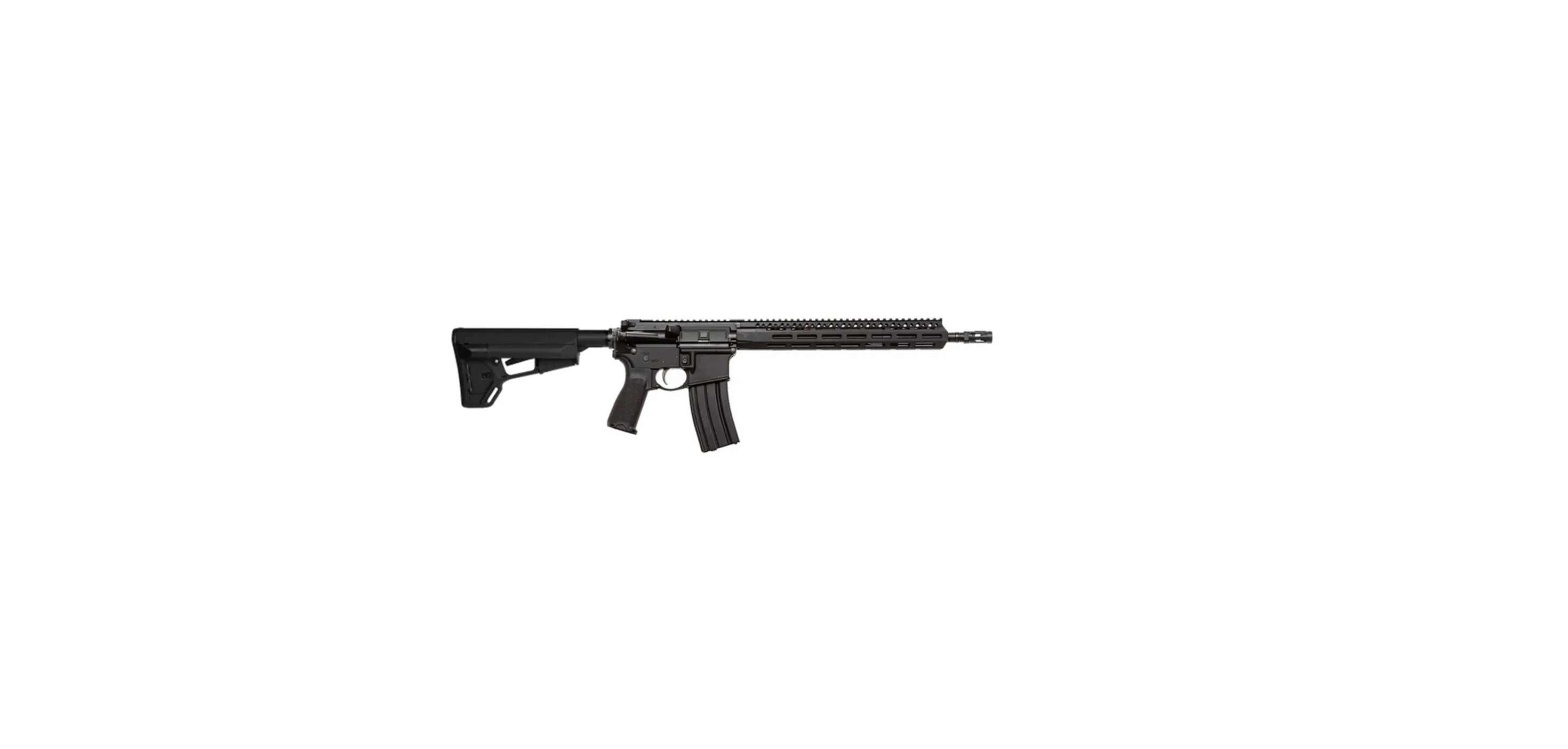
DRD approaches rifle decisions as complete configurations. That is why the published rifle and upper pages identify the barrel, chamber, handguard, gas-system format, stock, trigger, and other material details together. A charging handle can then be evaluated in context, with the actual upper and intended use in view.
Buyers who know the platform and need a straightforward replacement can review DRD's accessories selection. Buyers comparing a complete rifle or upper can use the published specifications to narrow the real choices first. When a compatibility question remains, a short professional conversation is more valuable than a guess based on an oversized latch or a product trend.
Bottom line
An AR-15 charging-handle upgrade should solve a specific handling need on a documented, compatible upper. Standard, extended, and ambidextrous designs can all make sense when their latch access and clearance suit the actual rifle. Start with the receiver pattern and optic setup, then confirm the component maker's fit guidance before ordering.
Keep the complete rifle in view. A charging handle can improve the manual interface, but it cannot replace a coherent upper configuration or diagnose an operating concern. If the rifle is unfamiliar, modified, binding, or behaving differently, make sure it is unloaded and let the manufacturer or a qualified gunsmith guide the next step.
Frequently asked questions
What does an AR-15 charging handle do?
The charging handle is the manual control at the rear of a typical AR-15 upper. It is used to move the bolt carrier group by hand when loading, unloading, checking the chamber, or locking the action open. It does not move with the bolt carrier group while the rifle is firing.
Is an ambidextrous charging handle worth it?
An ambidextrous design can be worthwhile when a shooter wants access from either side, particularly around a preferred hand position or optic setup. It is not automatically better for every rifle. The useful question is whether its latch shape, size, and fit solve a real handling need on the documented upper.
Will an AR-15 charging handle fit an AR-10?
Do not assume that it will. AR-10 and other large-frame patterns use different receiver dimensions, and fit varies by platform. Confirm the exact receiver and the component maker's published compatibility before ordering any charging handle.
Should I replace a charging handle to fix a rifle problem?
No single part should be used to diagnose an unknown function issue. If a rifle binds, behaves differently, or has an uncertain parts history, make sure it is unloaded and consult the manufacturer or a qualified gunsmith before changing components.
How do I choose a charging handle around an optic?
Start with the documented upper and the actual optic mount. Compare the space around the rear of the receiver, the latch shape, and the maker's compatibility guidance. If clearance is uncertain, ask the manufacturer or a qualified gunsmith before buying rather than relying on a product photograph.
Related posts
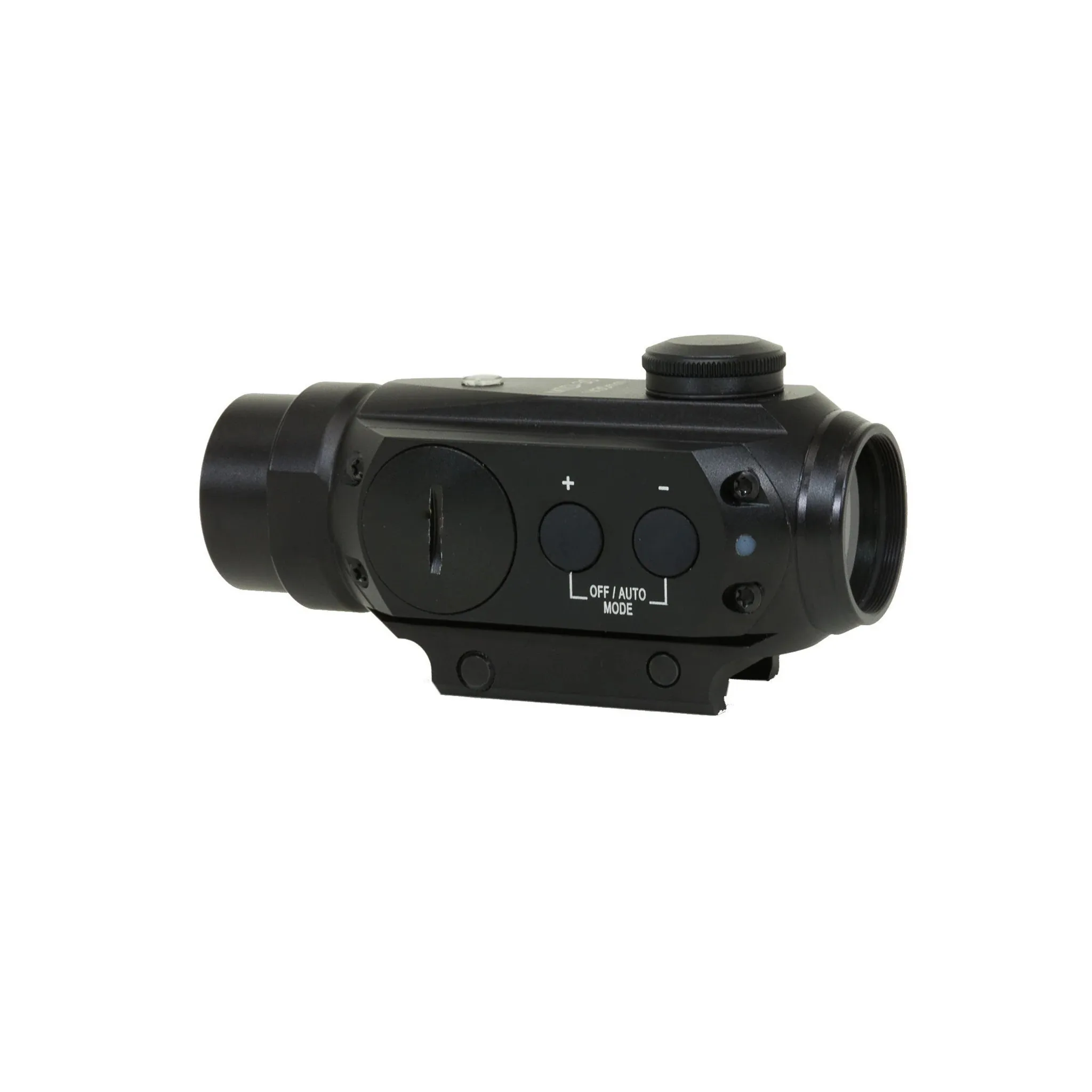
Best Scope for an AR-15: A Practical Buying Guide
Compare red dots, low-power variable scopes, and service-rifle optics around distance, shooting role, and the complete AR-15 setup.
Read the guideBest AR-15 Upper: How to Choose a Complete Upper
A practical guide to choosing a complete AR-15 upper around cartridge, barrel, gas system, handguard, and the rifle you plan to finish.
Read the guide
AR-15 Gas Block: What It Does and What to Compare
Understand what an AR-15 gas block does, why fit matters, and which complete-rifle details to compare before choosing an upper or service.
Read the guide