
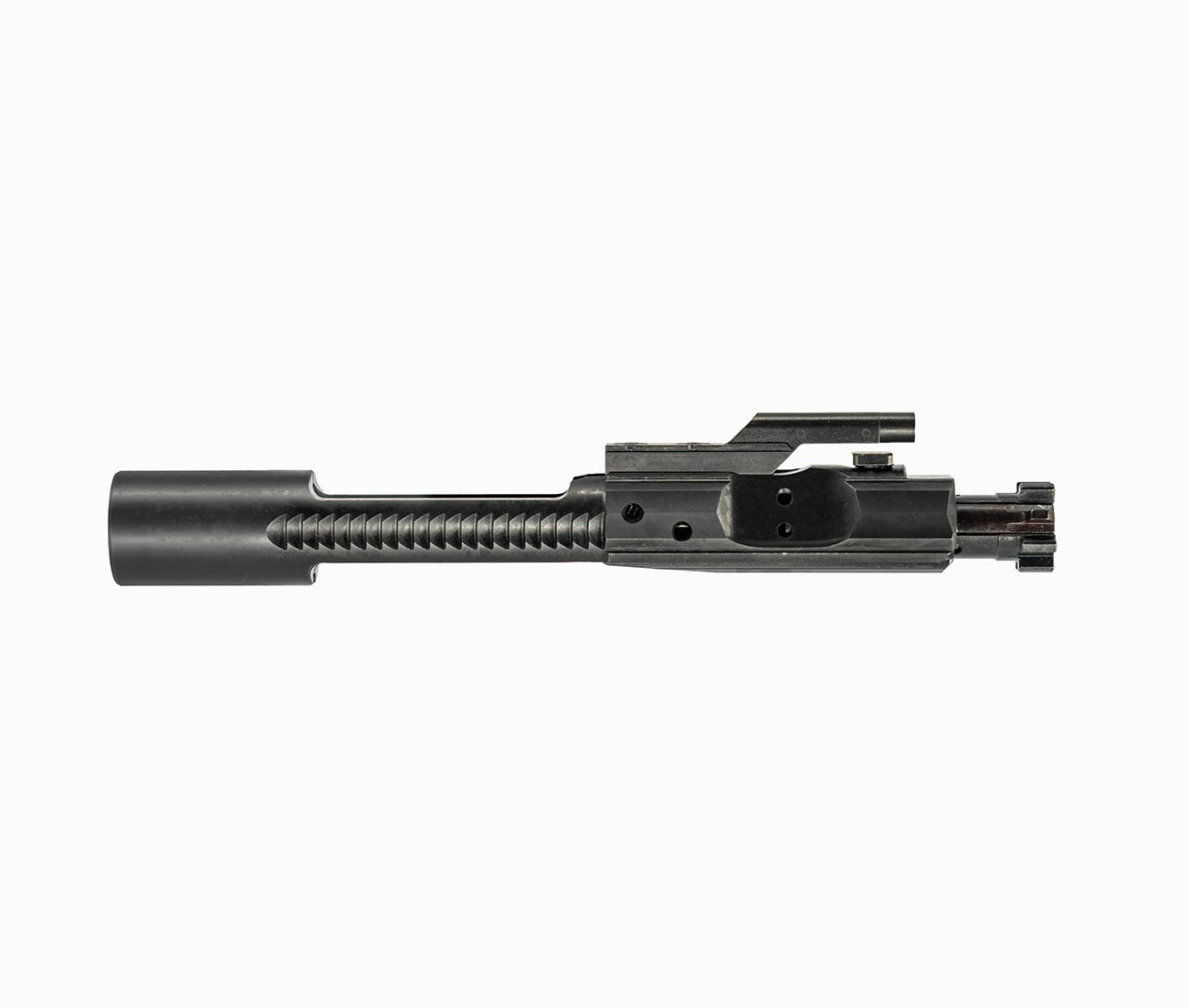
A bolt carrier group, often shortened to BCG, is a component name that appears on nearly every AR-15 product list. It is important, but the name alone does not tell a buyer whether a particular assembly is right for a particular rifle. The useful approach is to understand its role, read the stated specifications carefully, and keep every comparison tied to the documented upper and the complete configuration.
The short answer
An AR-15 bolt carrier group is the moving assembly inside the upper receiver that contains the bolt and works with the rifle’s operating system during the firing cycle. It is commonly sold as a complete assembly rather than as individual pieces. In a product listing, “complete BCG” generally means the carrier, bolt, gas key, cam pin, firing pin, and retaining pin are supplied together.
That description is useful vocabulary, not a compatibility guarantee. A bolt carrier group must suit the rifle’s platform, chambering, barrel extension, and manufacturer guidance. The best first question is not which finish looks most impressive or which marketing label sounds most advanced. It is whether the part is clearly specified for the upper and the rifle you actually own or intend to buy.
Why the bolt carrier group matters
The BCG sits at the center of a larger system. The upper receiver, barrel, chamber, gas system, buffer system, magazines, ammunition, and the condition of the rifle all influence the final result. A bolt carrier group performs its role within that system. Treating it as a stand-alone cure for every handling or function question misses the bigger picture.
This is why responsible buyer guidance focuses on documented fit and stated specifications instead of a universal “best” choice. Recent buyer guides from AR15.BUILD and OpticsPlanet both frame materials, finish, carrier form, and quality control as comparison points. Those details can be useful, but the rifle’s actual configuration still comes first.
For a complete-rifle buyer, a listed BCG is one sign that the manufacturer has defined the core operating components together. For an existing rifle, it is a reason to confirm the make, model, chambering, and documentation before buying anything. If that information is missing, a qualified gunsmith can identify the setup before a broad product category turns into an expensive assumption.
The terms you will see in a product listing
Carrier. The carrier is the larger body of the assembly. It moves within the upper and houses the bolt. Product listings may describe its material, finish, or profile. Those details should be read as part of the manufacturer’s complete specification, not as a stand-alone performance promise.
Bolt. The bolt is the portion that interfaces with the barrel extension and chamber. Its relationship to the stated chambering is critical. A product described for one cartridge family or platform should never be treated as interchangeable with every AR-style rifle simply because the exterior layout appears familiar.
Gas key. The gas key is attached to the top of the carrier and is a detail buyers will often see called out in a product description. A clear listing should state meaningful material and assembly information rather than asking customers to infer quality from a finish or a logo.
Cam pin, firing pin, and retaining pin. These are supporting parts included in a complete assembly. Their presence explains why “complete BCG” is different from buying a carrier or bolt alone. If a product page does not make clear what is included, ask before ordering rather than assuming an incomplete assembly is ready for a particular upper.
Start with platform and chambering
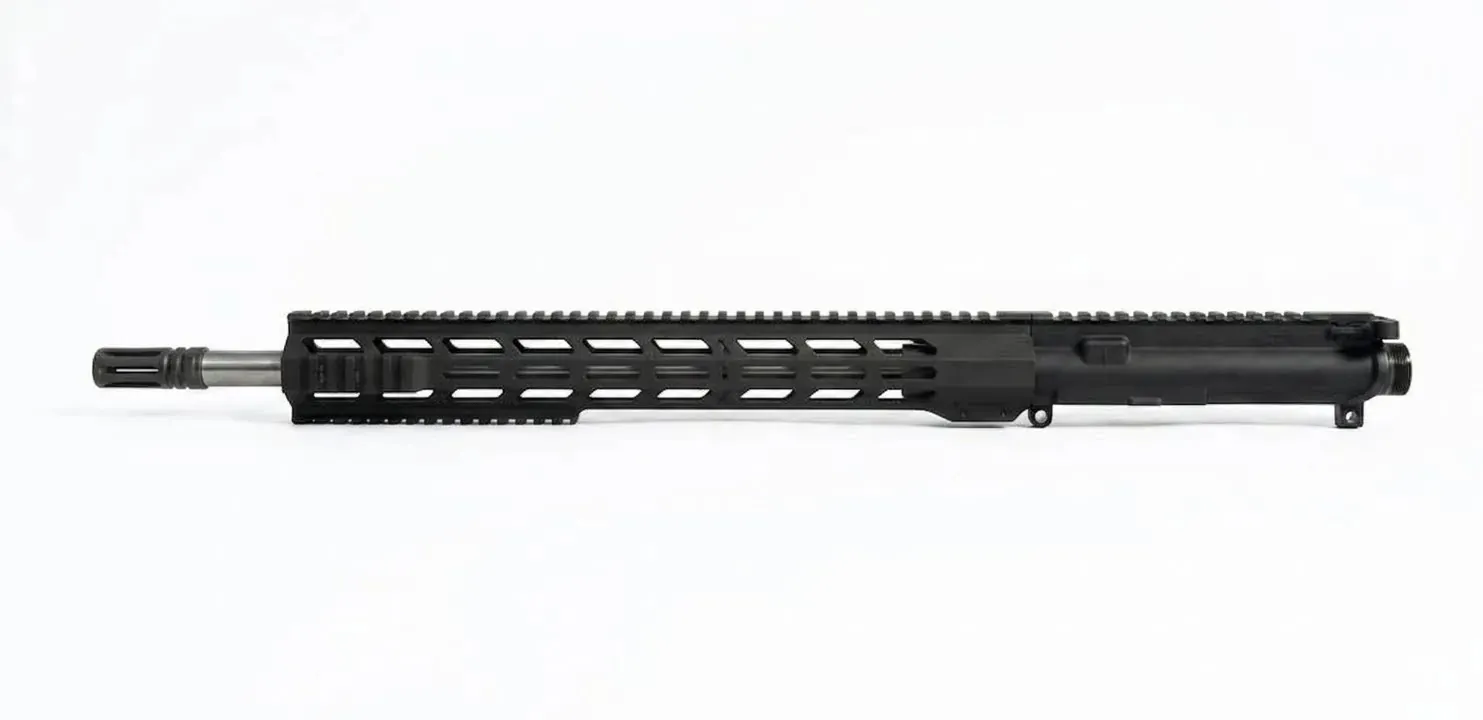
An AR-15-pattern BCG is not a universal AR-style component. Large-frame rifles, proprietary designs, and different chamberings can require different specifications. The exact upper and barrel are the starting point. Product photos, online shorthand, and a seller’s broad use of “AR” are not substitutes for the manufacturer’s stated compatibility.
DRD’s AR-15 Bolt Carrier Group is specifically listed as a complete, mil-spec assembly compatible with 5.56 NATO, .223 Remington, and .300 Blackout. That makes it a useful item to compare when those are the documented requirements of a compatible AR-15 upper. It does not mean it automatically fits an AR-10-pattern rifle, a 6.5 Grendel configuration, or an upper with an unknown history.
The same care applies to complete uppers. DRD’s 6.5 Grendel Upper is listed with a BCG carrying a 6.5 Grendel bolt, alongside the barrel and chambering it is intended to serve. That is the value of a defined package: the buyer can evaluate the core parts as a system instead of trying to make a broad component label answer a cartridge-specific question.
Finish is useful information, not the whole decision
Phosphate, nitride, chrome, nickel-boron, and other finish names are common in BCG comparisons. They can describe a manufacturer’s material treatment and may matter to a buyer comparing otherwise appropriate products. They do not, by themselves, establish that a component has the correct dimensions, chambering relationship, carrier profile, inspection record, or fit with the rest of the rifle.
DRD’s listed AR-15 BCG uses a polished black nitride finish. That is a real specification worth noting. It should be weighed alongside the stated carrier, bolt, gas-key, and chambering information, then against the documented upper. A buyer who starts and ends with finish risks overlooking the compatibility details that determine whether a part belongs in the rifle at all.
The same restraint applies to claims about cleaning or reliability. Maintenance should follow the rifle and component manufacturer’s instructions. If a rifle has unusual wear, inconsistent behavior, or a concern that appears after use, make sure it is unloaded and have the actual problem assessed. A finish label cannot diagnose a mechanical issue.
Carrier profile and weight are system choices
Some listings distinguish carrier profiles or describe a lighter configuration. That is not a simple better-or-worse ranking. Carrier mass is one part of an operating system that also includes the gas system and buffer arrangement. A change that makes sense in a carefully documented configuration may be the wrong starting point for another rifle.
For this reason, avoid selecting an unfamiliar carrier profile solely because a product page presents it as a performance upgrade. The correct comparison begins with the intended rifle role, the exact upper, and the maker’s guidance. DRD’s AR-15 buffer-weight guide covers the same principle from the other side of the system: one specification can inform a decision, but it does not settle the whole rifle.
A defined, complete upper can reduce uncertainty for buyers who want the core components selected together. For an existing rifle with a known configuration, documentation from the original maker is the best first source. For an undocumented or modified rifle, a qualified gunsmith is a much better resource than an online ranking list.
Read quality-control terms carefully
Some BCG listings use terms such as inspected, tested, staked, or mil-spec. Those can be meaningful details when the manufacturer explains exactly what they mean. They are not interchangeable, and a buyer should not assume an acronym on one product page represents the same process described by another maker. The clearest listing identifies the relevant material, assembly, and inspection information in plain language.
For context, the current Right to Bear BCG guide breaks out common quality-control labels and distinguishes them from finish claims. AR15.BUILD similarly emphasizes that assembly quality and documented inspection matter more than cosmetic treatment. Those sources are useful for learning the terms, but the component manufacturer remains the authority for the exact item being considered.
When a listing leaves a material, included-parts, or compatibility detail unclear, treat that as a question to resolve before purchasing. A trustworthy comparison does not depend on filling in missing information with forum advice, a product photo, or a price point. The right answer may be a simple confirmation from the manufacturer, or it may be that a different, better-documented complete upper is the clearer choice.
What a careful listing should help you verify
Before purchasing a BCG, compare the listing against a short set of practical questions:
- Which exact platform is it for? Confirm AR-15 versus another receiver pattern.
- Which chambering does the manufacturer specify? Match it to the documented barrel and upper, not an assumption from appearance.
- What is included? Confirm whether the product is a complete assembly and what the maker says is supplied.
- What material and assembly details are actually stated? Read the product information rather than filling gaps with marketing shorthand.
- What does the rest of the rifle require? Consider the barrel, gas system, buffer system, magazines, and intended use together.
- Who can confirm an unclear fit question? When documentation is incomplete, ask the original manufacturer or a qualified gunsmith before ordering.
This is a buying checklist, not an installation checklist. It helps a customer ask better questions before a purchase. It does not replace the instructions for a specific rifle or component, and it should not be used to diagnose a firearm that is behaving unexpectedly.
When a complete rifle or upper is the clearer path
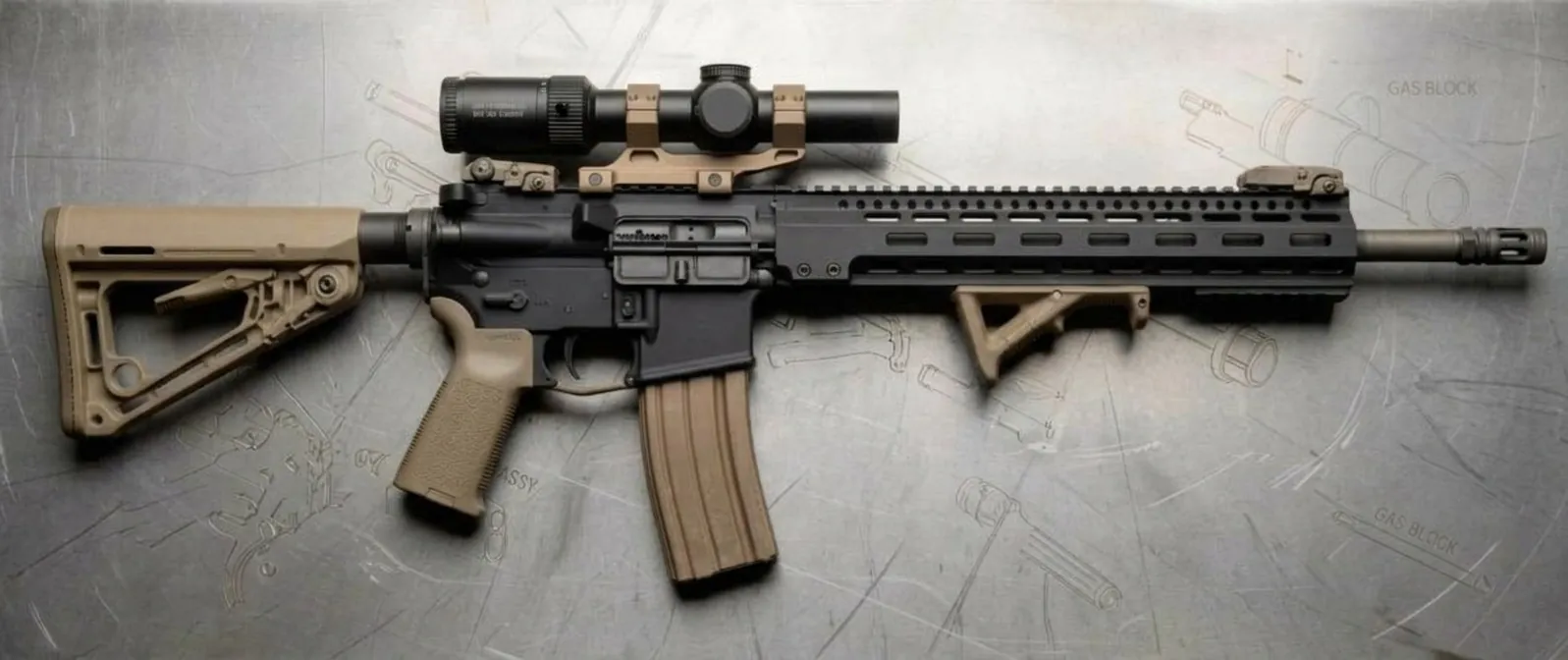
A component-by-component decision can make sense when the customer has a fully documented platform and a specific, compatible need. Many buyers are better served by starting with a complete rifle or a complete upper where the core elements are listed together. That approach narrows the unknowns and lets the customer focus on fit, handling, optic choice, magazines, sling, and intended use.
DRD’s complete AR-15 uppers bring together several existing configurations so customers can compare barrel, chambering, handguard, and stated included components in one place. The DRD-15 Garrison is another example of a finished configuration that lists its nitride BCG alongside the 16-inch barrel, gas system, stock, trigger, and optic. The useful lesson is not that every rifle should be configured the same way. It is that a meaningful buying decision includes more than one line item.
When professional help is the right next step
Stop and ask for help when the rifle has an unknown parts history, the make or chambering is uncertain, a listing leaves an important compatibility question unanswered, or there is a function concern. Before handling or transporting any firearm for service, make sure it is unloaded and follow the manufacturer’s safety guidance.
DRD’s AR-15 gunsmithing service is the appropriate starting point for customers who need a current rifle inspected or want a professional conversation about a specific compatibility question. Bringing the model, chambering, current configuration, and any available documentation makes that conversation more useful from the start.
Bottom line
A bolt carrier group is an important AR-15 assembly, but it is not a stand-alone answer to every buying or function question. Identify the exact platform and chambering first, read what the manufacturer actually specifies, and assess the BCG alongside the barrel, upper, gas system, buffer system, and intended use. A documented complete configuration is more valuable than a collection of assumptions.
Frequently asked questions
What does BCG mean on an AR-15?
BCG means bolt carrier group. It describes the moving assembly in an AR-15-pattern upper that contains the bolt and works with the rest of the rifle’s operating system. A complete BCG is normally sold as an assembly, but its compatibility still depends on the exact upper, barrel, chambering, and manufacturer guidance.
Does an AR-15 bolt carrier group fit every AR-style rifle?
No. An AR-15-pattern bolt carrier group should not be assumed to fit a large-frame AR, a proprietary platform, or an undocumented upper. Even among rifles that look similar, the chambering and maker’s specifications can change what is appropriate. Confirm the exact product guidance before ordering.
Is the finish the most important BCG specification?
No. A finish can be a useful product detail, but it does not establish fit, chambering compatibility, carrier profile, quality control, or the condition of the rest of the rifle. Start with the documented platform and complete configuration, then compare the maker’s stated materials, inspection information, and finish.
Should I replace a BCG to solve a function problem?
Do not use a new component to diagnose an unknown function concern. If a rifle has unusual wear, cycling changes, or an unclear parts history, make sure it is unloaded and speak with the manufacturer or a qualified gunsmith. A specific diagnosis is more useful than guessing from a product category.
What should I bring to a BCG compatibility conversation?
Have the rifle or upper’s make and model, chambering, barrel information, current configuration, and any manufacturer documentation available. Those details let a qualified professional compare the actual system rather than trying to infer fit from a photograph or a broad AR-style label.
Related posts
AR-15 Buffer Weight Chart: Standard, H, H2, and H3
AR-15 buffer weight chart: standard 3.0 oz., H 3.8 oz., H2 4.7 oz., and H3 5.4 oz. Understand the labels before changing parts.
Read the guide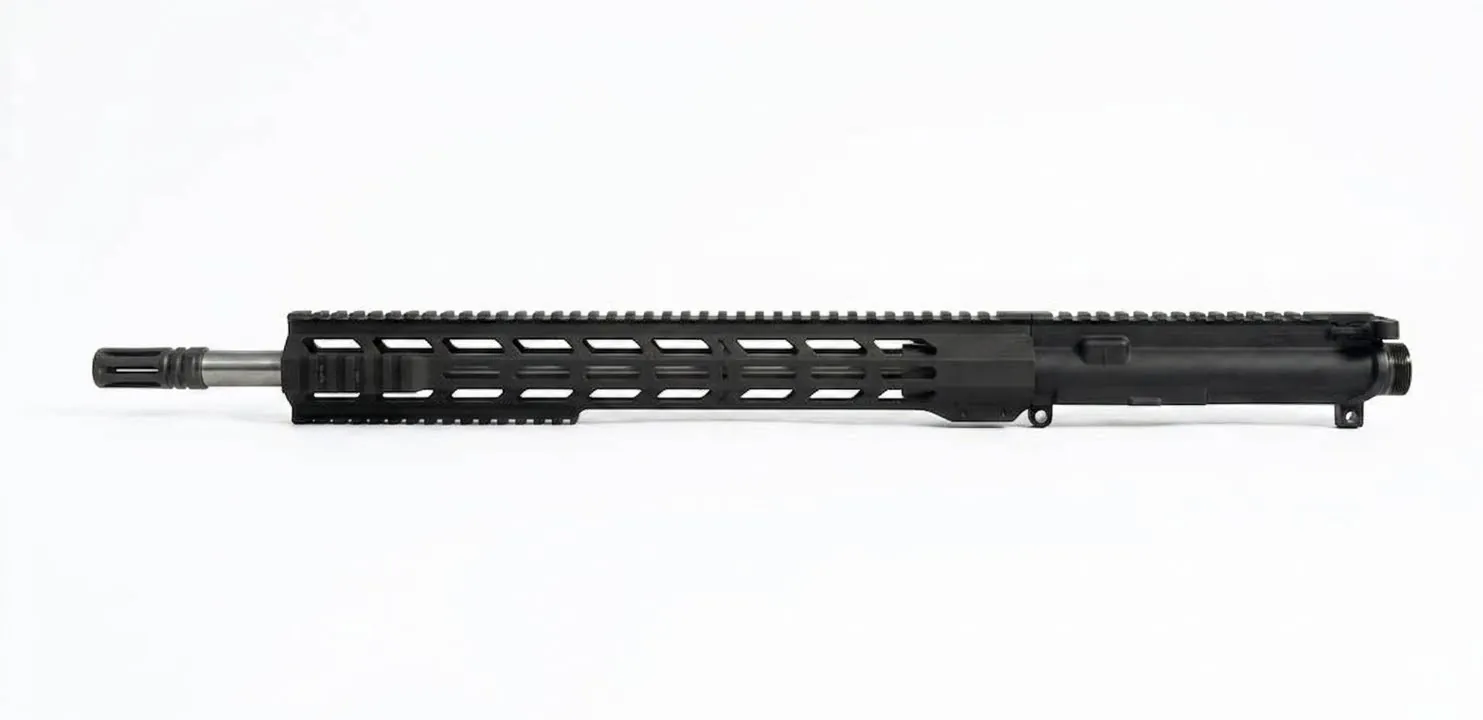
Best AR-15 Upper: How to Choose a Complete Upper
A practical guide to choosing a complete AR-15 upper around cartridge, barrel, gas system, handguard, and the rifle you plan to finish.
Read the guide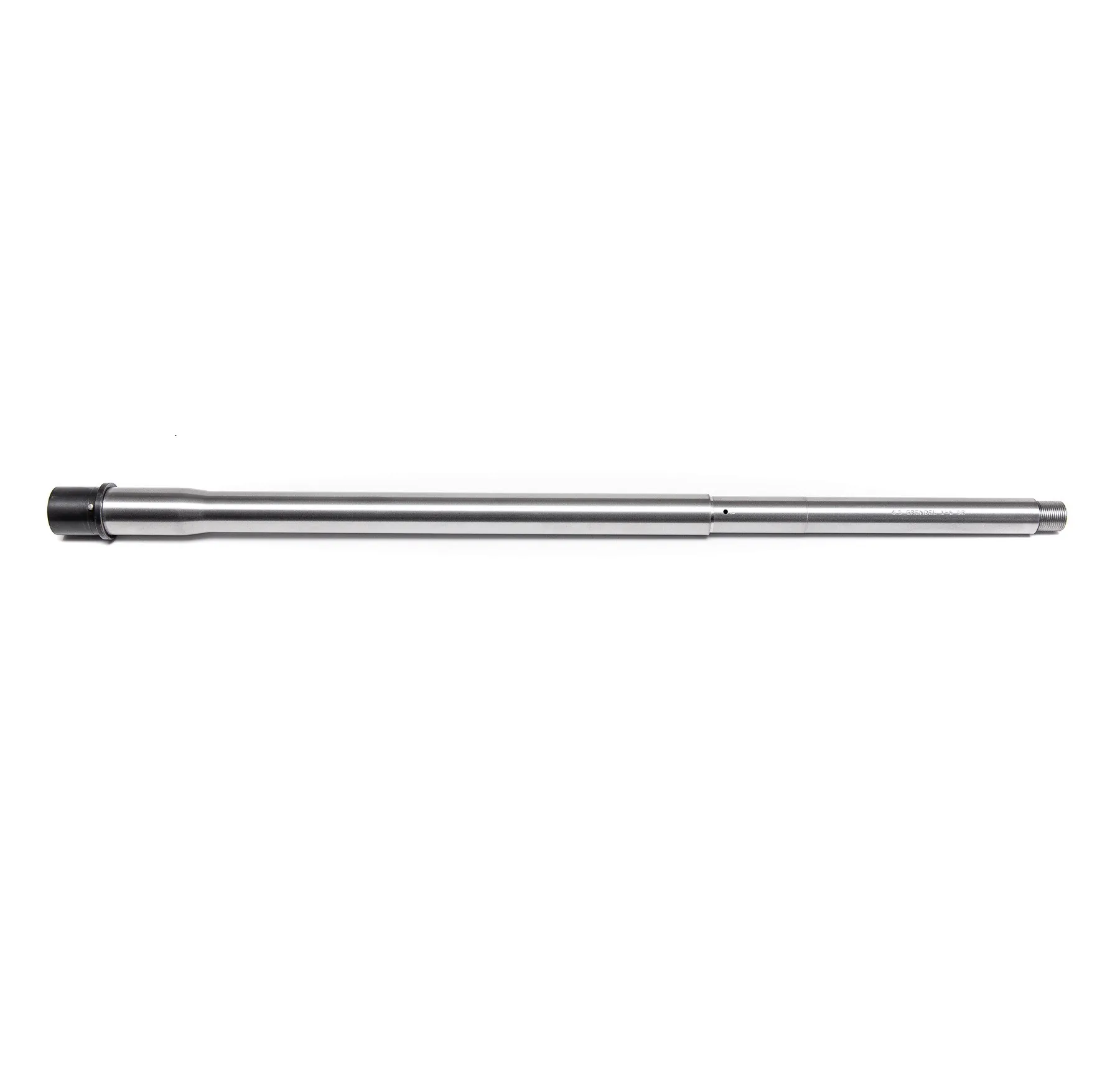
AR-15 Gas Block: What It Does and What to Compare
Understand what an AR-15 gas block does, why fit matters, and which complete-rifle details to compare before choosing an upper or service.
Read the guide